
Inside CPAWS Yukon
Written by Paula Gomez Villalba | April 27, 2026
Do you have a good idea of what CPAWS Yukon is all about? We’re not an animal rescue, despite what the “paws” in our name might suggest. CPAWS Yukon is a non-profit environmental organization that promotes conservation across the territory. Together with our partners and supporters, we stand up for the Yukon’s land, water, and wildlife.
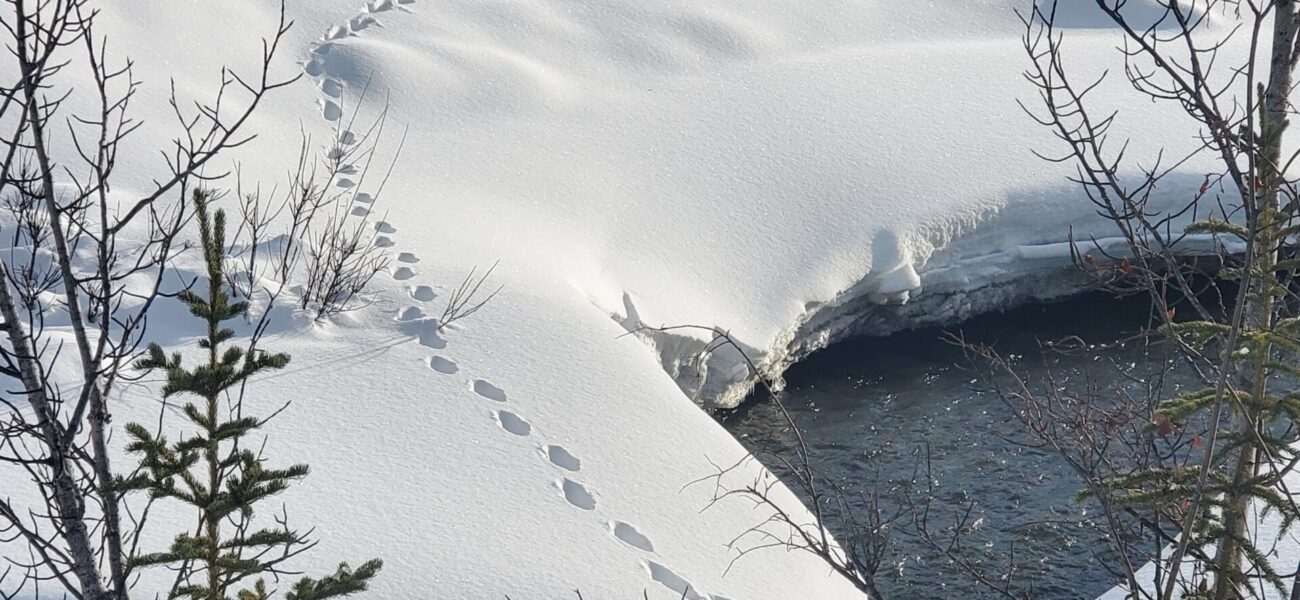
Sometimes our work really does involve paws, like these lynx paw prints during wildlife surveys in Chasàn Chùa (McIntyre Creek) as part of our Coexistence and Caution study a few years ago.
For us, conservation is about protecting and caring for wild spaces (land, water, plants, animals, soil, minerals, and their interactions) so that they persist for current and future generations. It’s not about “untouched” or “pristine” landscapes, as these places are homelands for Indigenous peoples.
There are many tools and perspectives available for safeguarding wild spaces and their connected ecological and cultural values. We work with First Nations, Governments, organizations, and Yukoners to translate community values and ideas into meaningful actions and policy changes.
So what does this look like?
Upholding Indigenous Rights
First Nations are already working hard to protect their lands and waters, and we want to help move this meaningful work forward. Our path to Reconciliation involves listening, respecting each Nation’s rights, and recognizing their agency as key decision-makers and stewards of their traditional territories. We support First Nations’ goals in government processes, amplify Indigenous-led initiatives, and push for processes that honour the Umbrella Final Agreement.
IN ACTION:
Knowledge Collaboration
By bringing together Western science, Traditional Knowledge, and local perspectives, we help build a stronger foundation for conservation and decision-making. This collaborative work includes research, community-led learning, and sharing information through accessible tools and platforms.
IN ACTION:
On the Land Trips
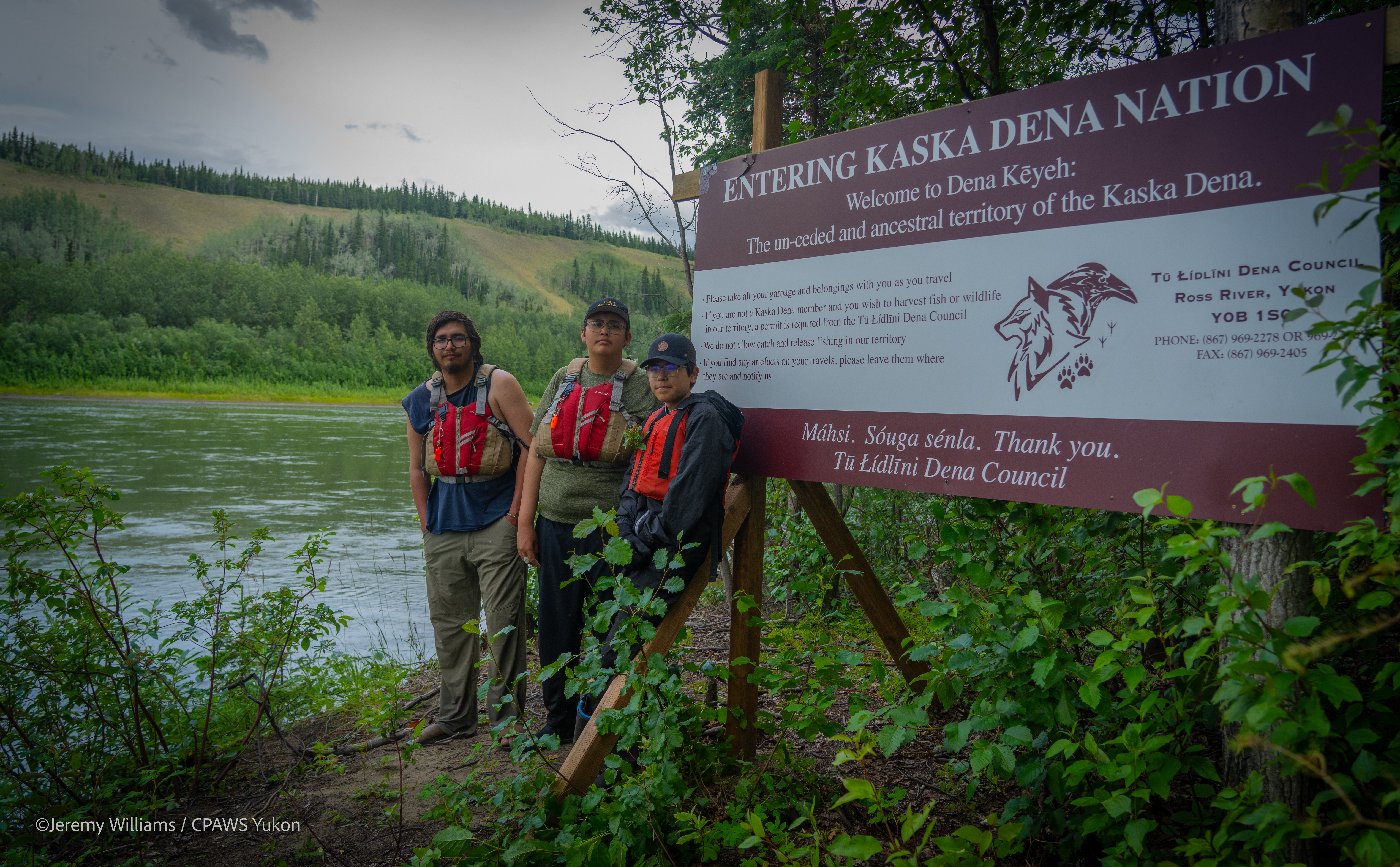
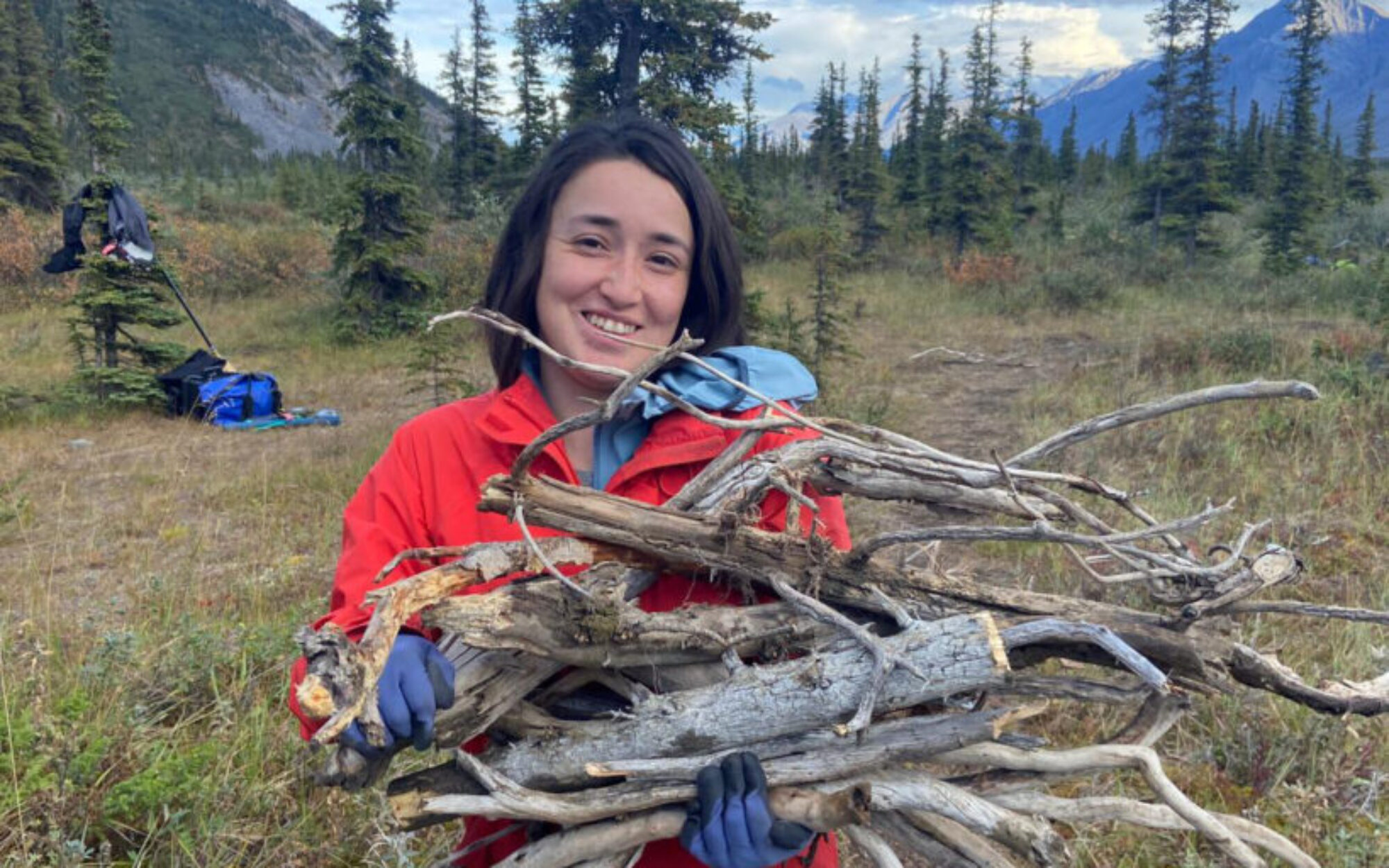
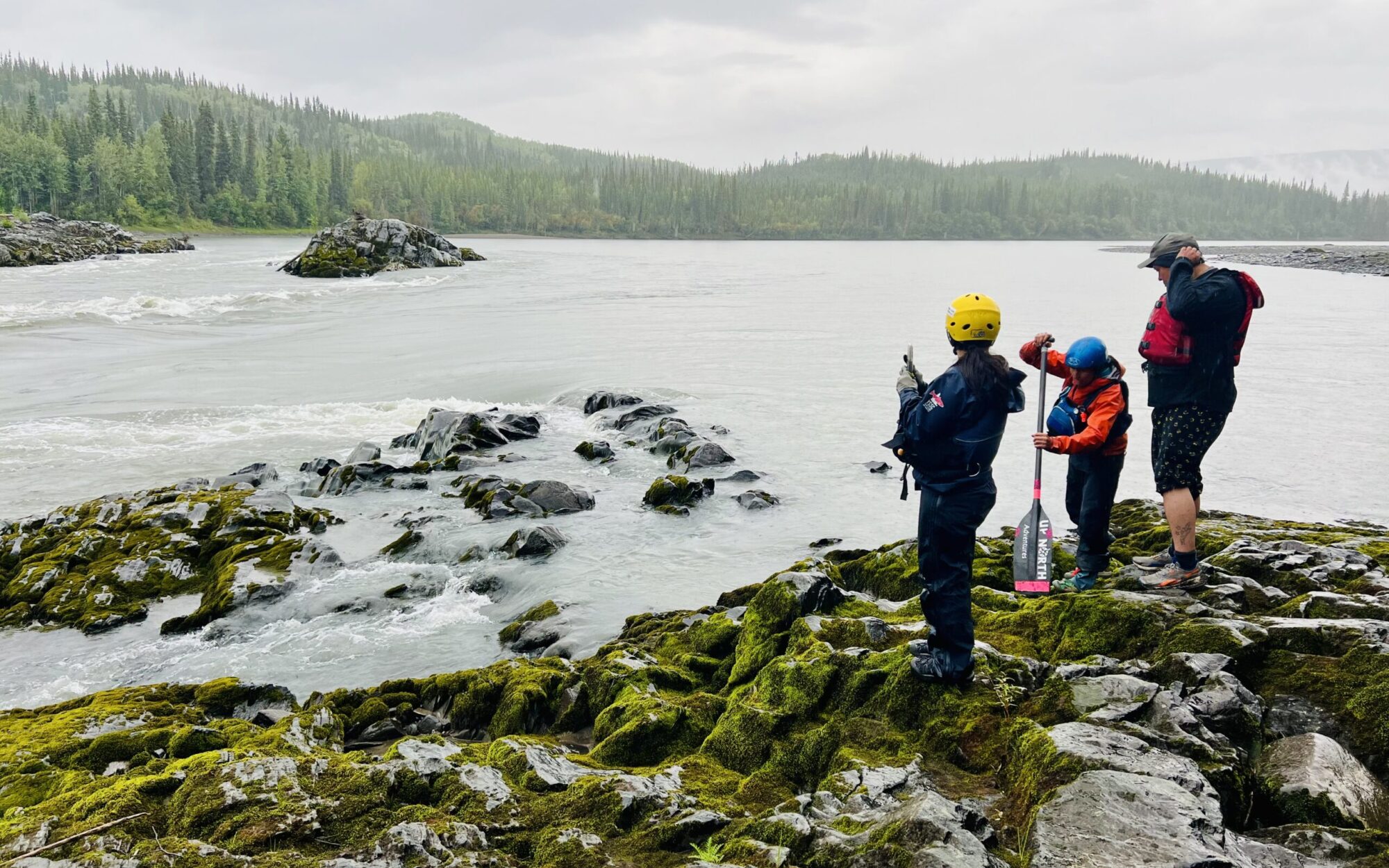
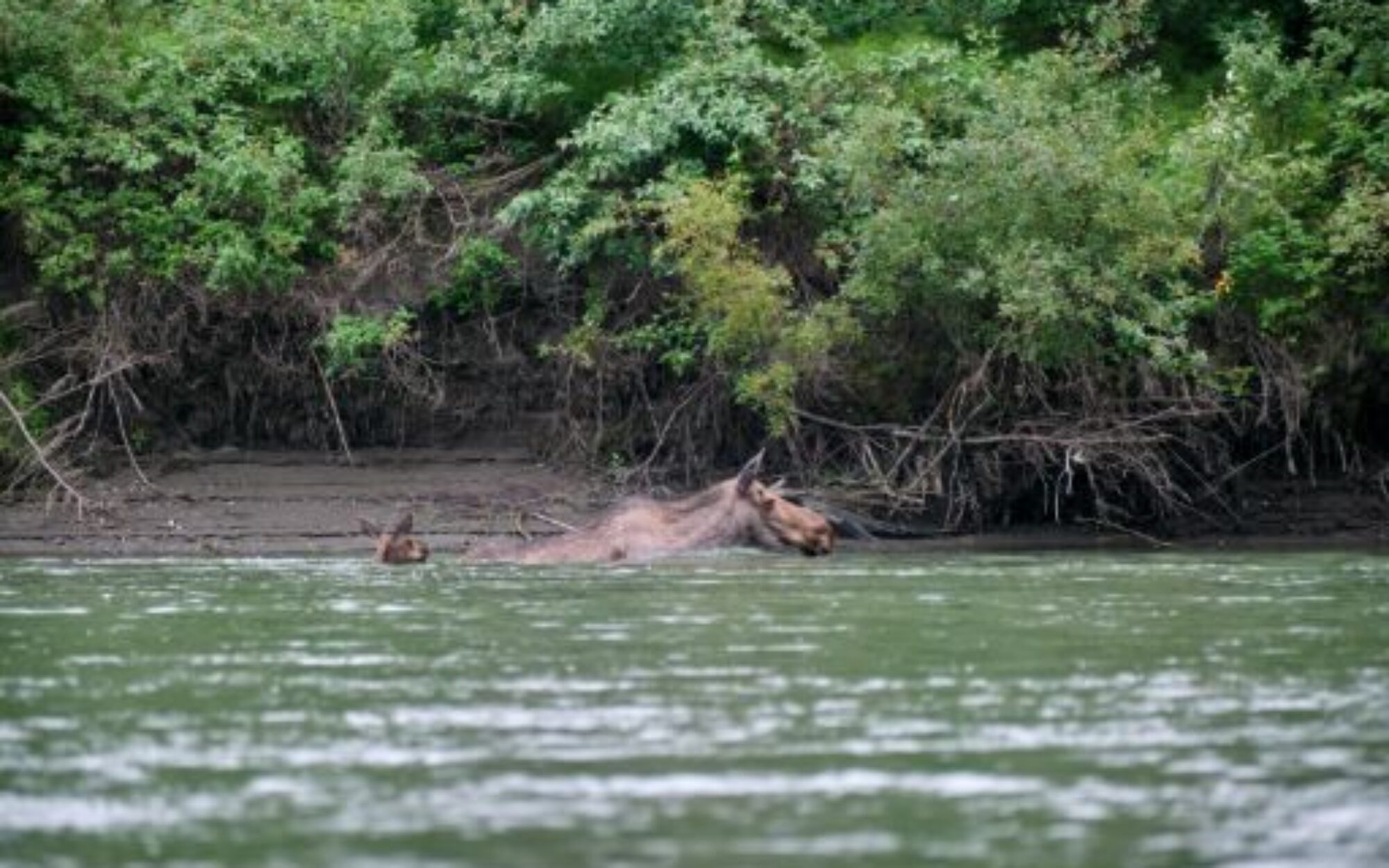
CPAWS Yukon has organized, or helped organize and guide, on the land trips into different areas for decades. Citizens of all ages from those areas join, and sometimes others like artists, journalists, guardians, and Yukon First Nations staff as well. The trips vary in length and remoteness, from a day out on the land to full multi-week paddling journeys.
Getting youth out on these trips is a high priority for us. Not only do they give youth life-changing skills and experiences, but also the agency and confidence to speak up for their traditional territories.
Often trips live on as films that bring communities together, connect people to place, and share stories of the land and First Nations stewardship.
IN ACTION:

Public Advocacy
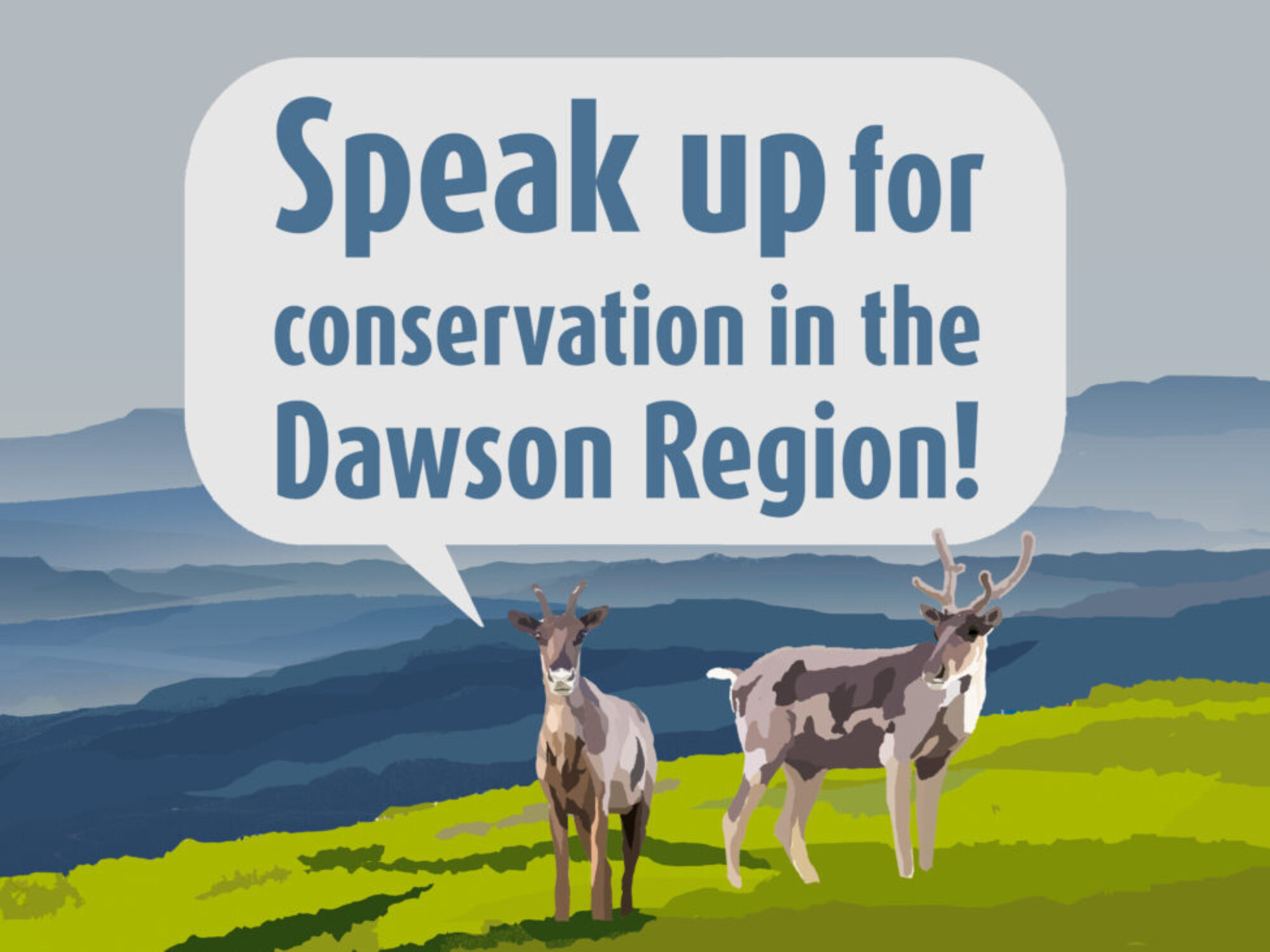
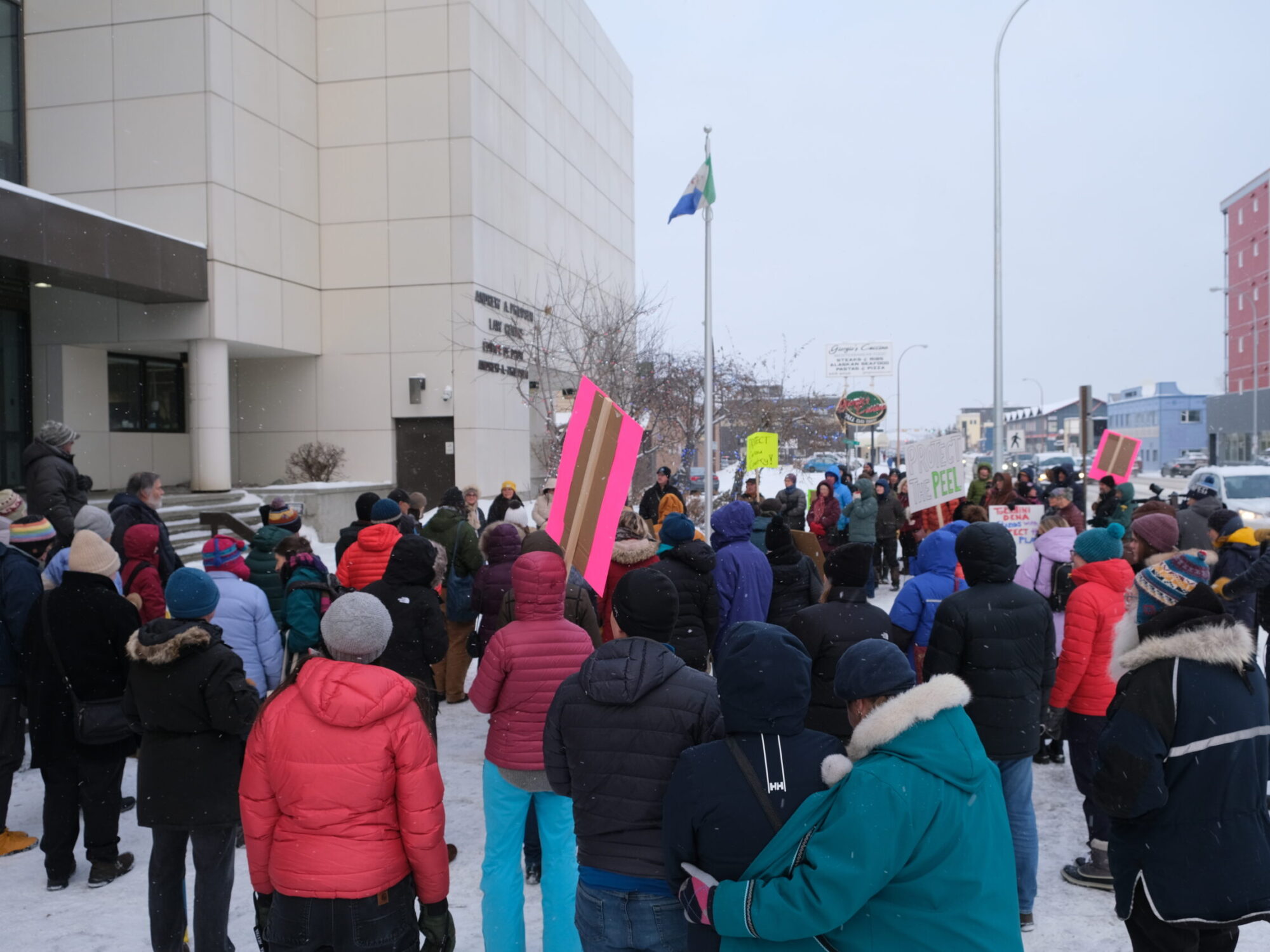
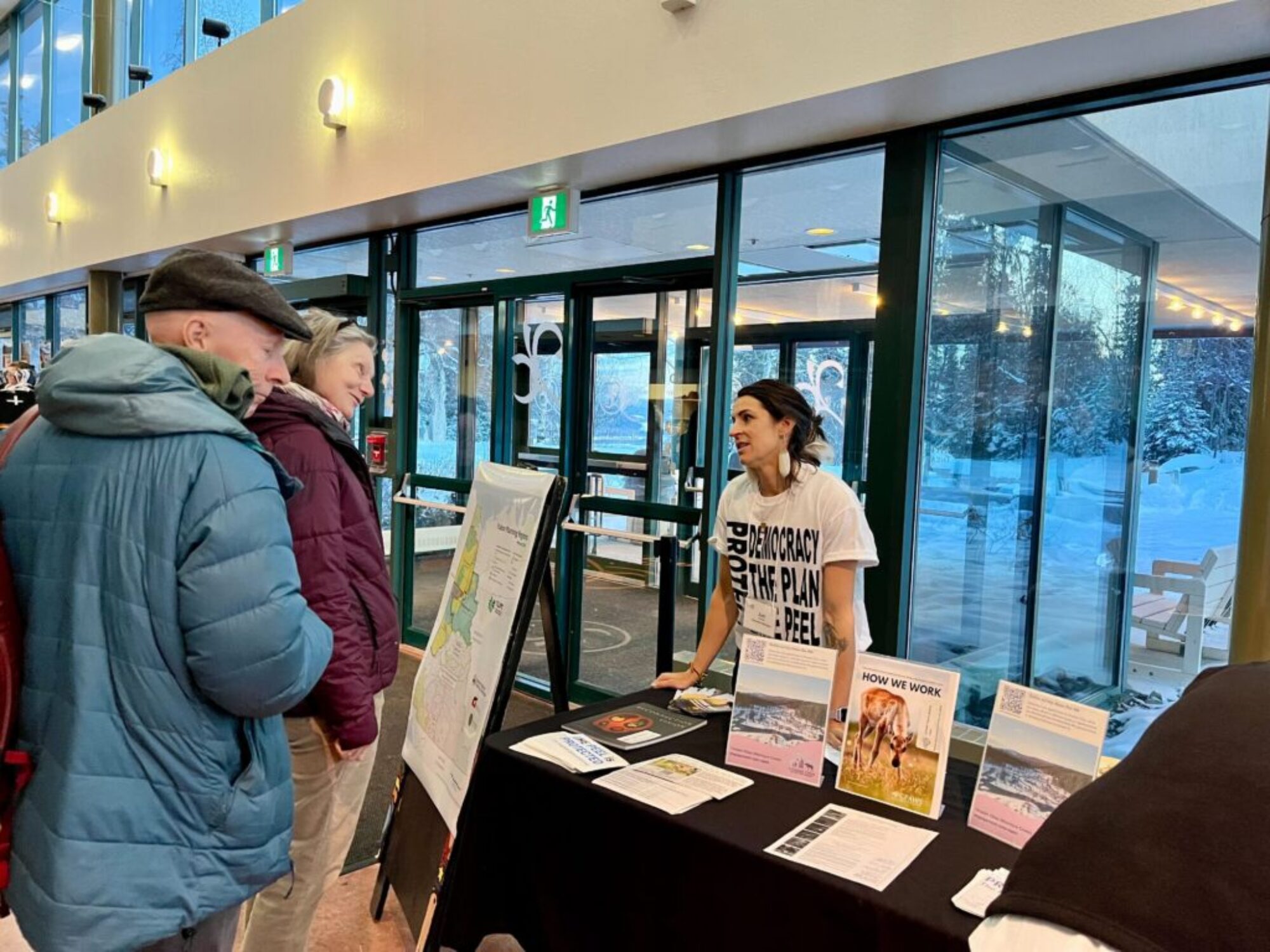
We create tools and break complicated processes down so Yukoners can voice their values. Our hope is to help people feel empowered to actively engage in conservation by participating in public consultations and connecting to nature across the territory, whether physically or through stories.
IN ACTION:
Environmental Education & Outreach
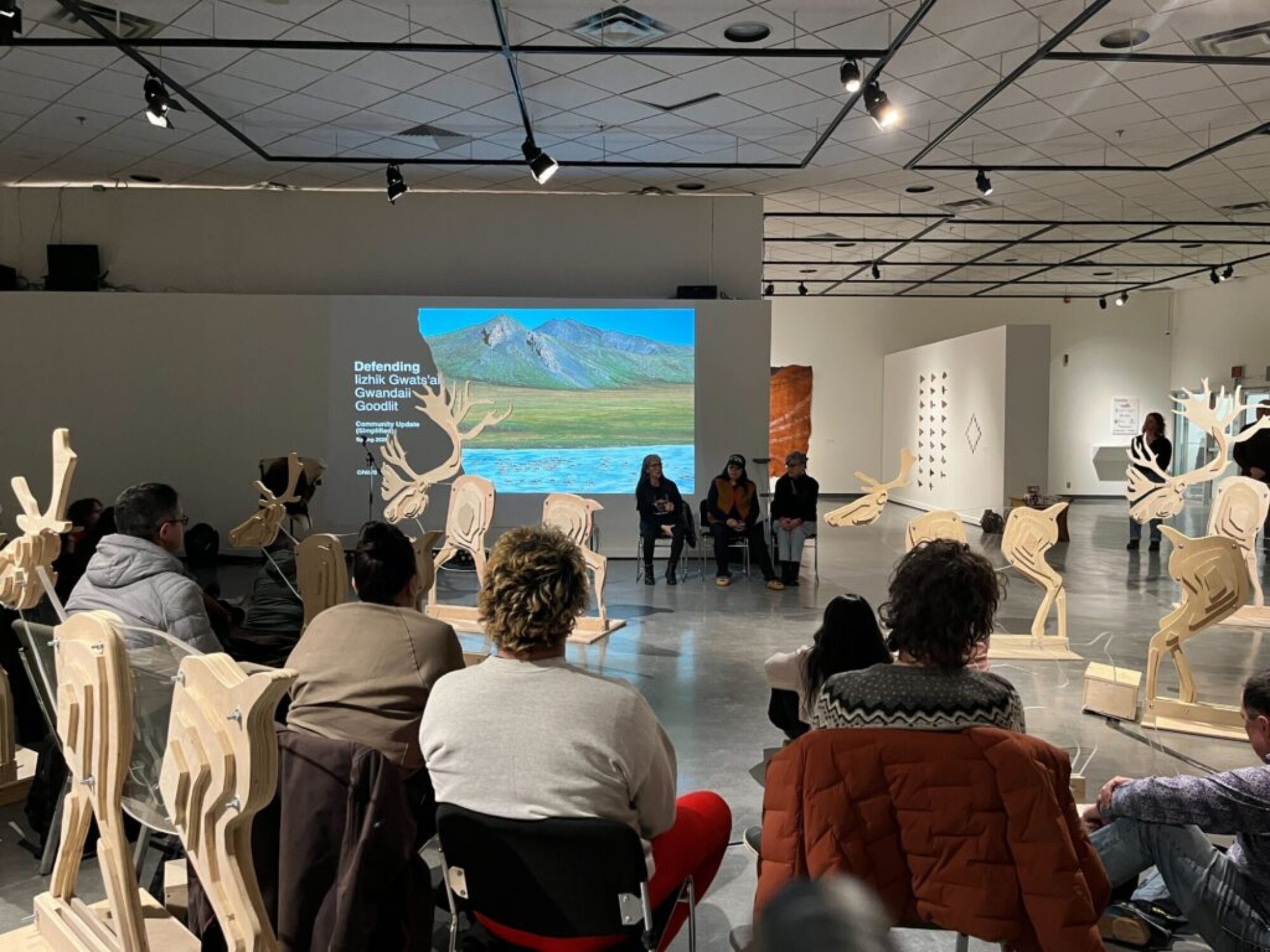
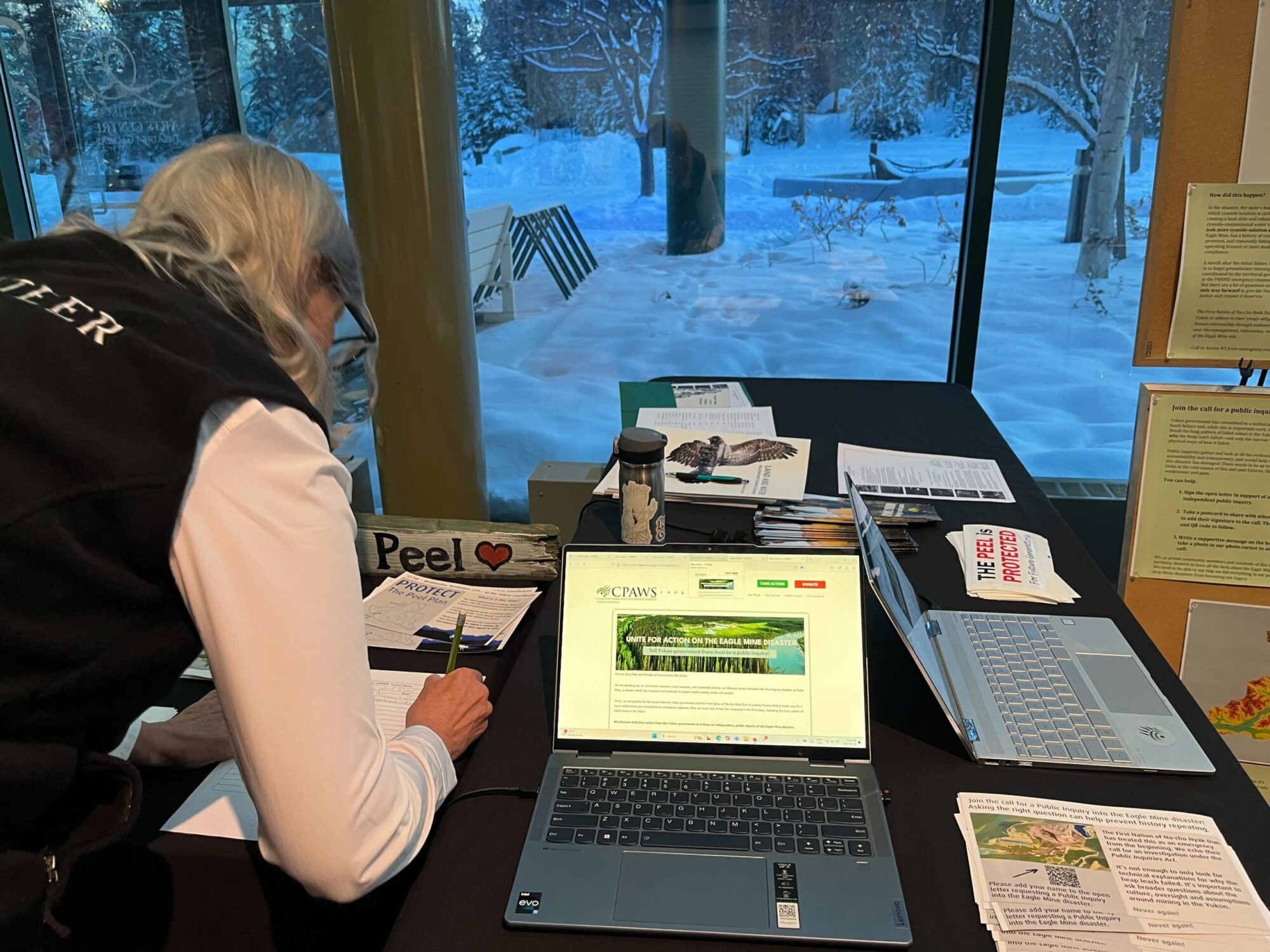
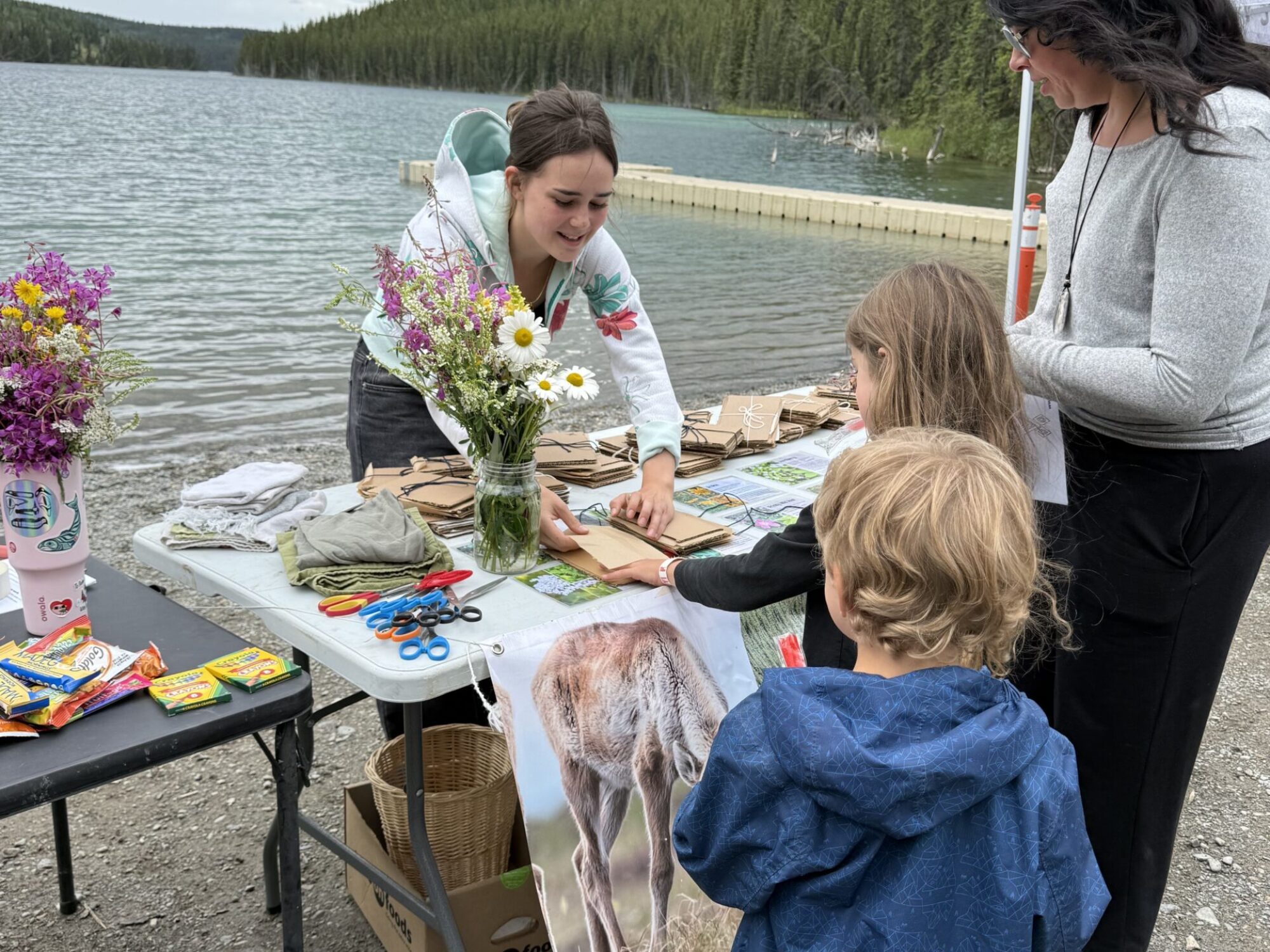
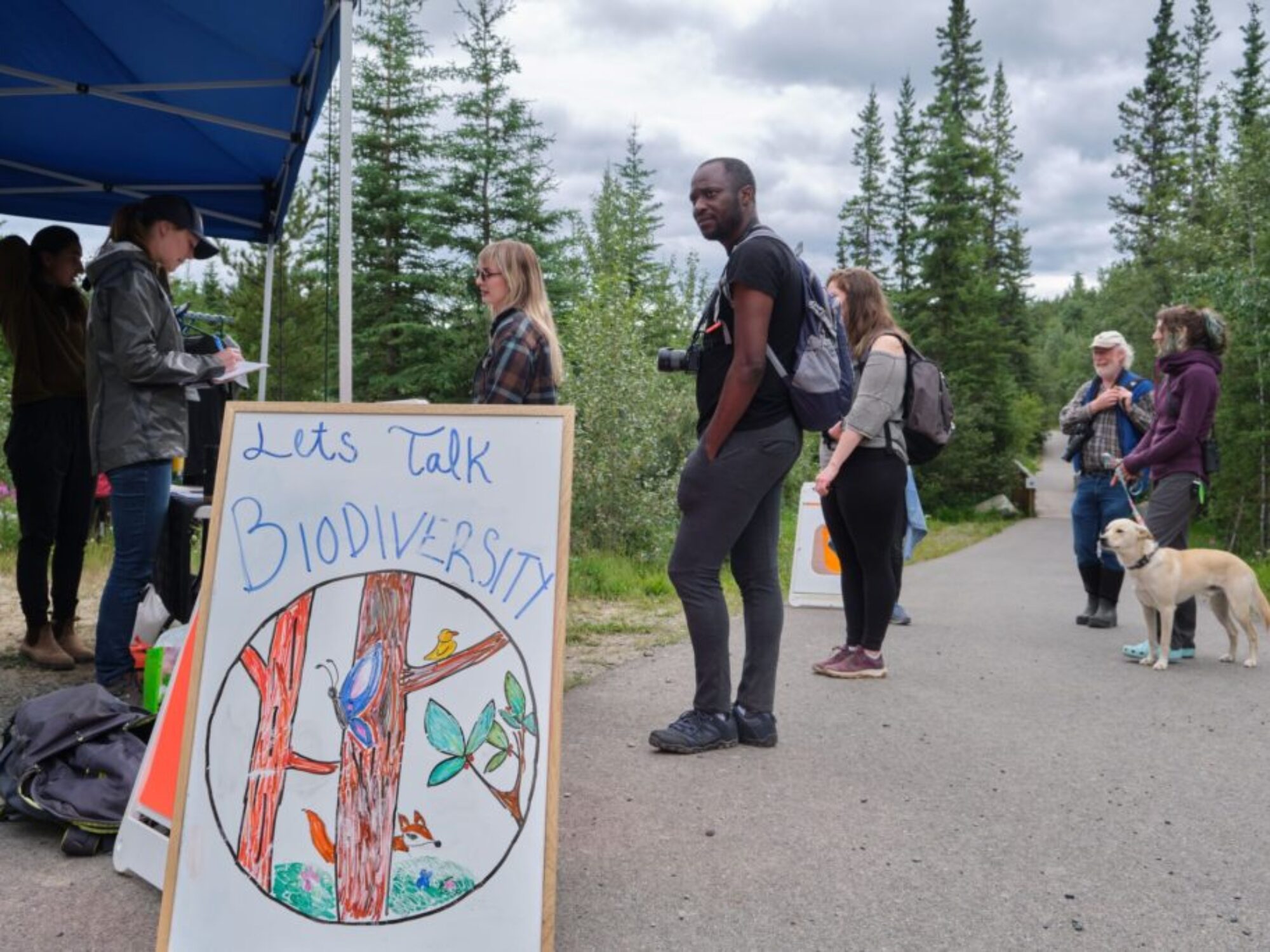
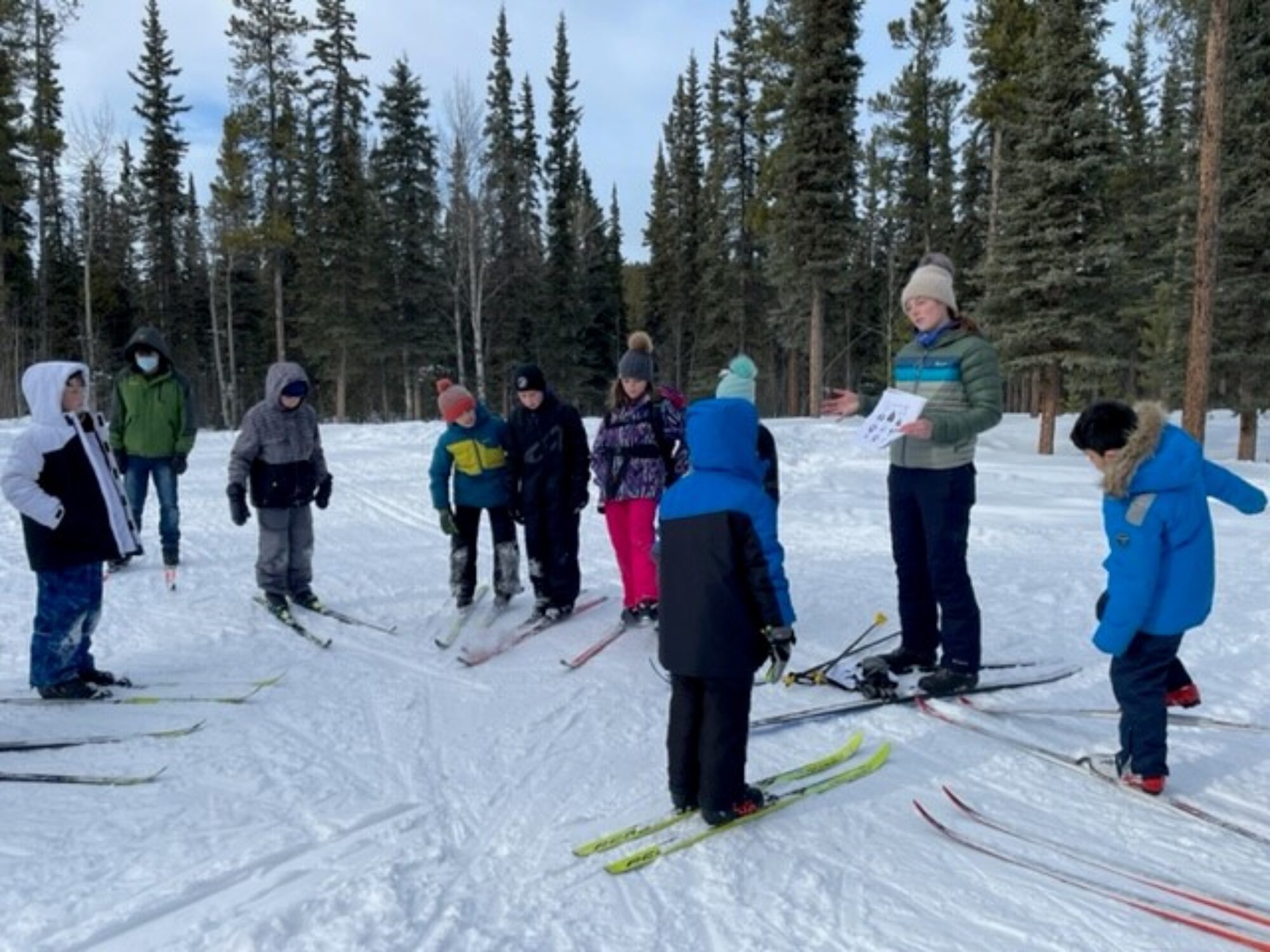
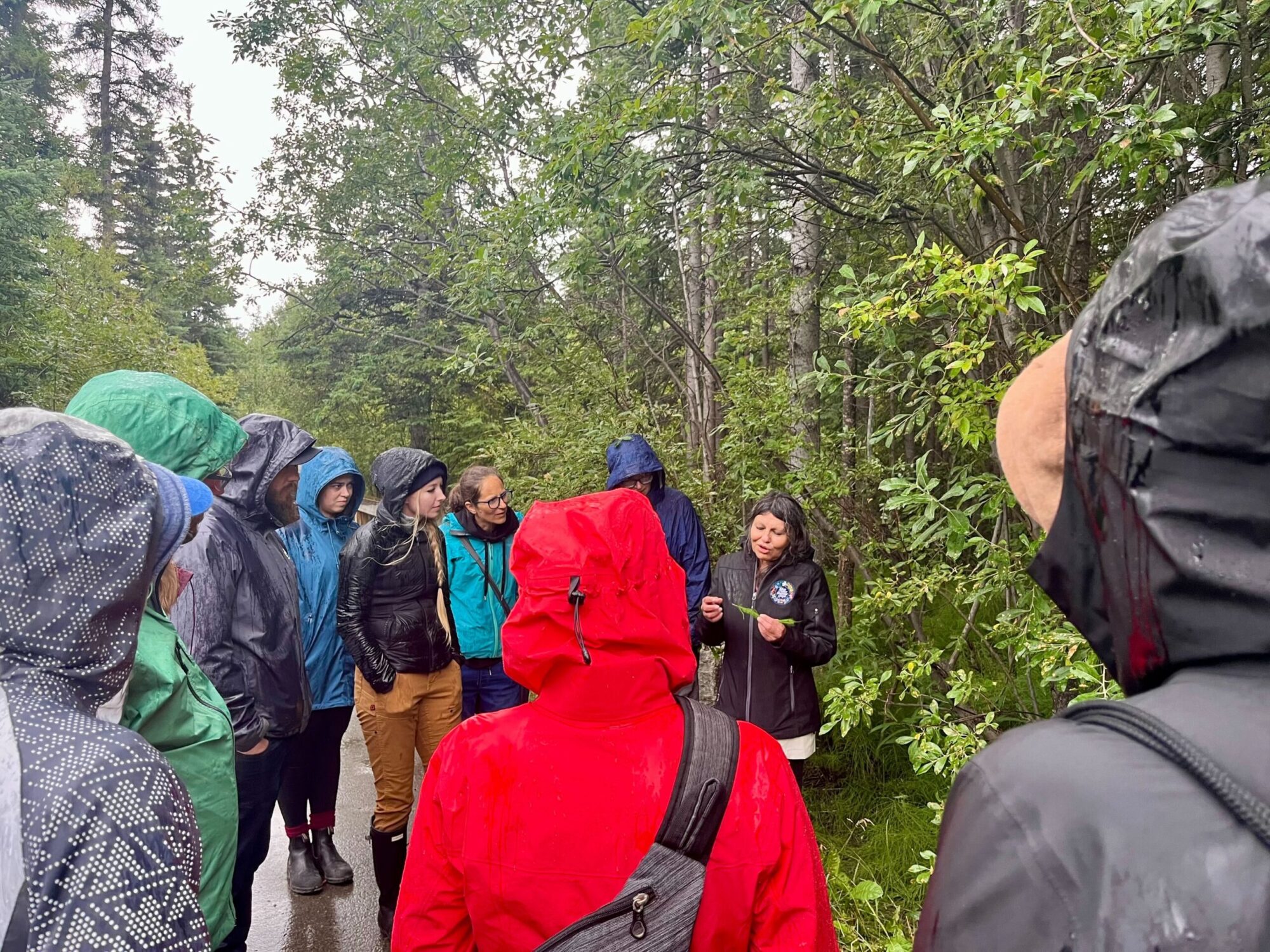
Through educational resources and community events, we share knowledge about local ecosystems, increase awareness of conservation issues, and highlight the relationships between people and place. Our outreach also includes working with partners and First Nation communities to create spaces for learning, dialogue, and cultural connection.
IN ACTION:
Collaboration
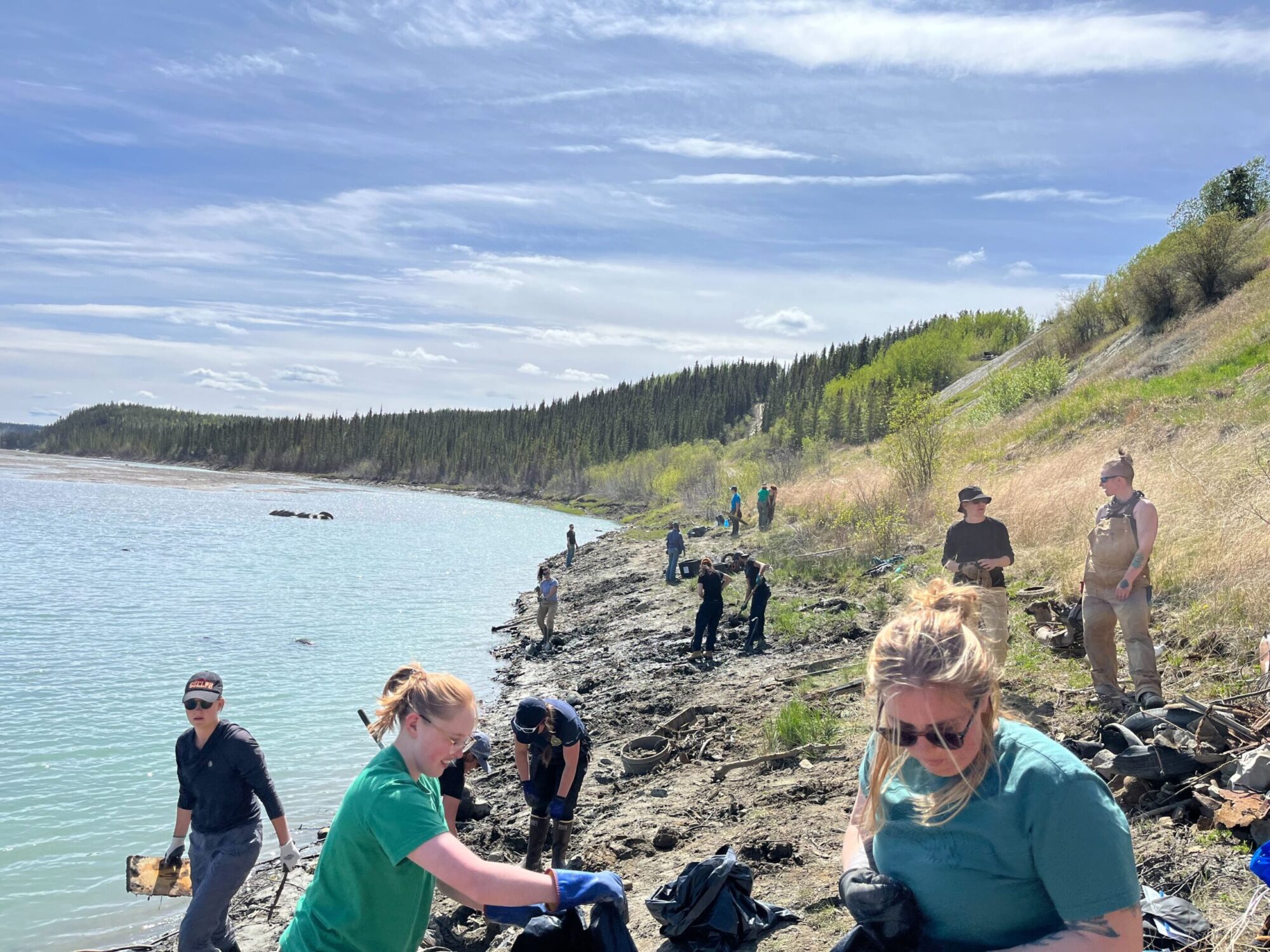
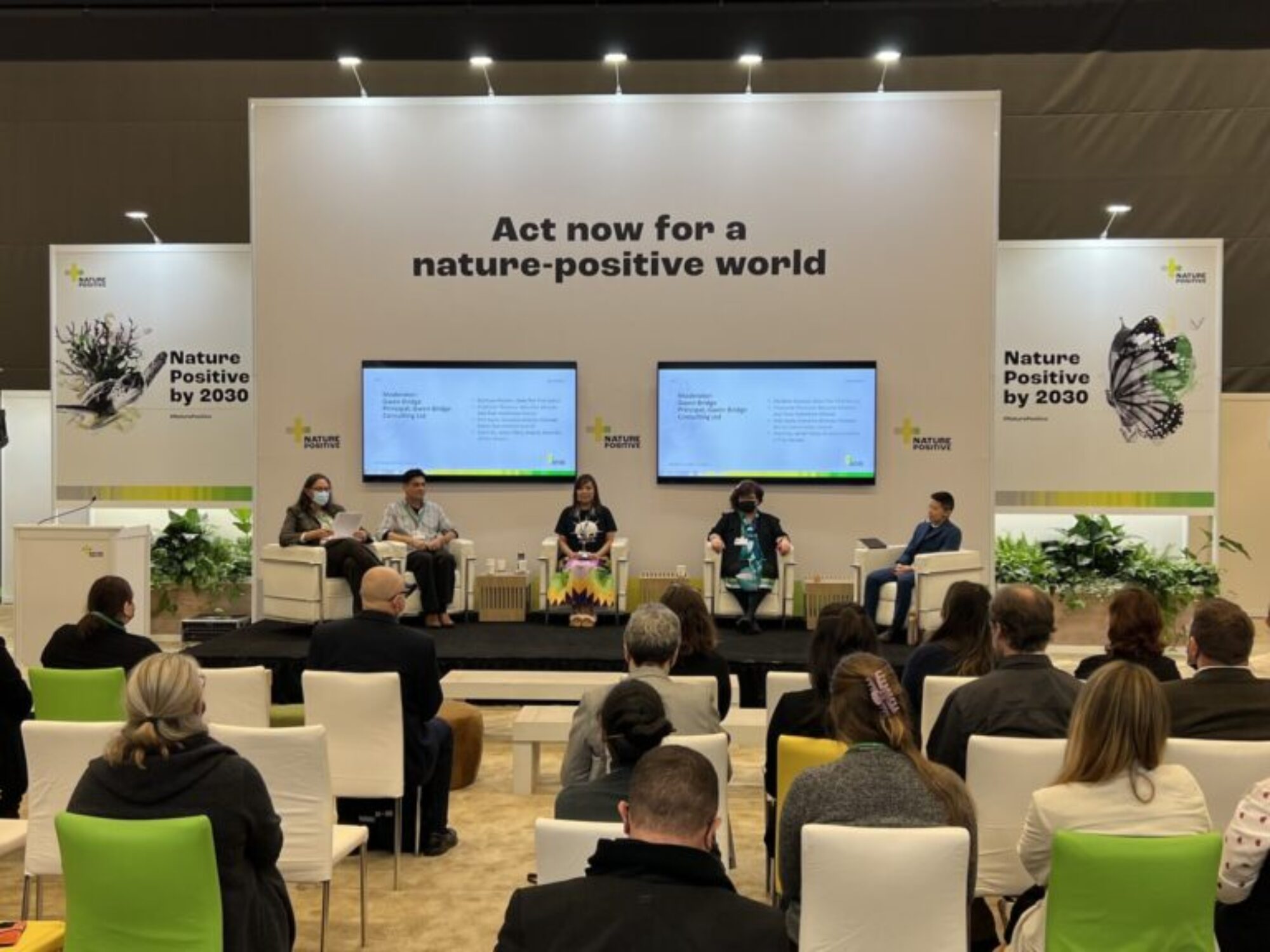
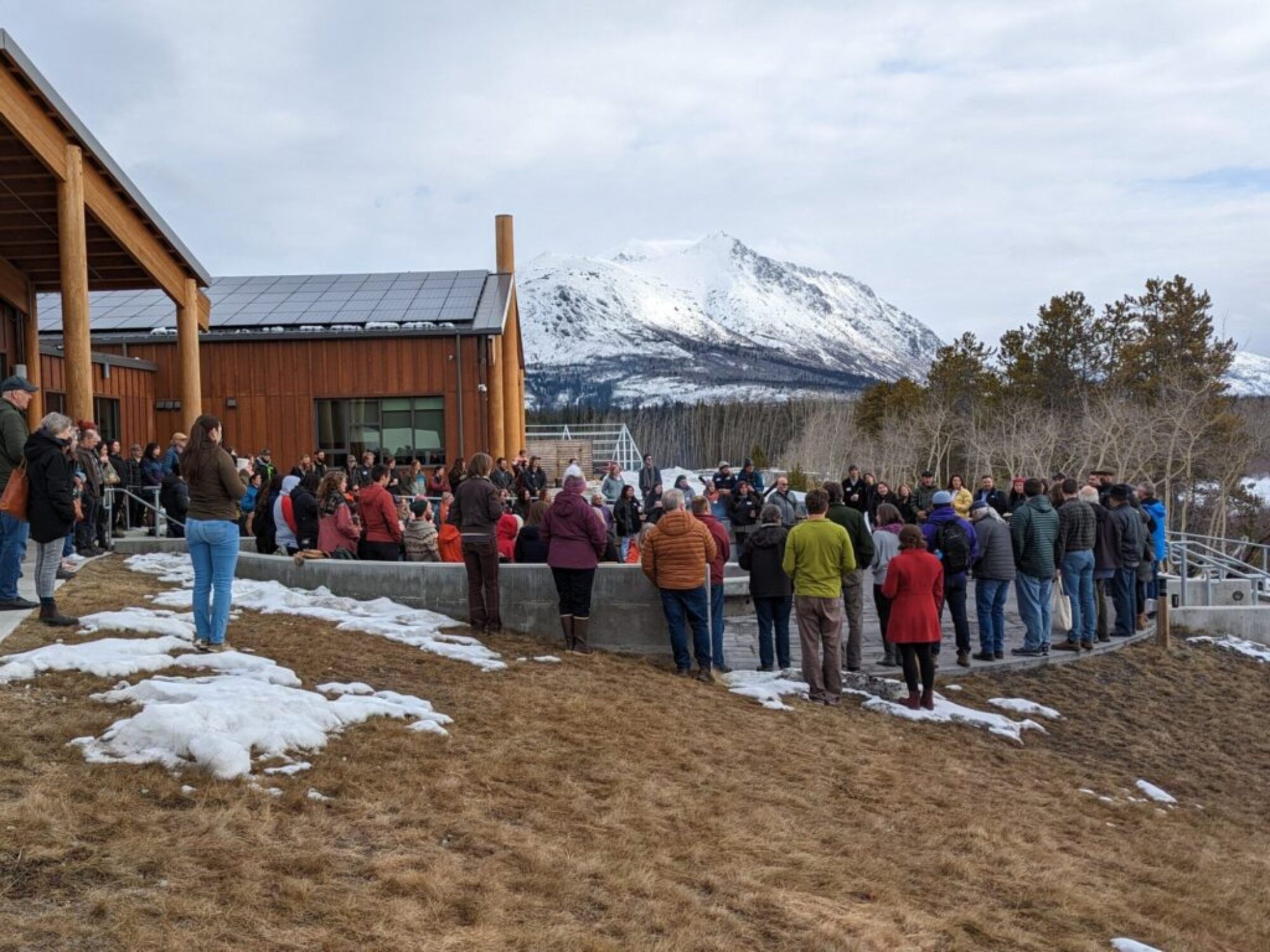
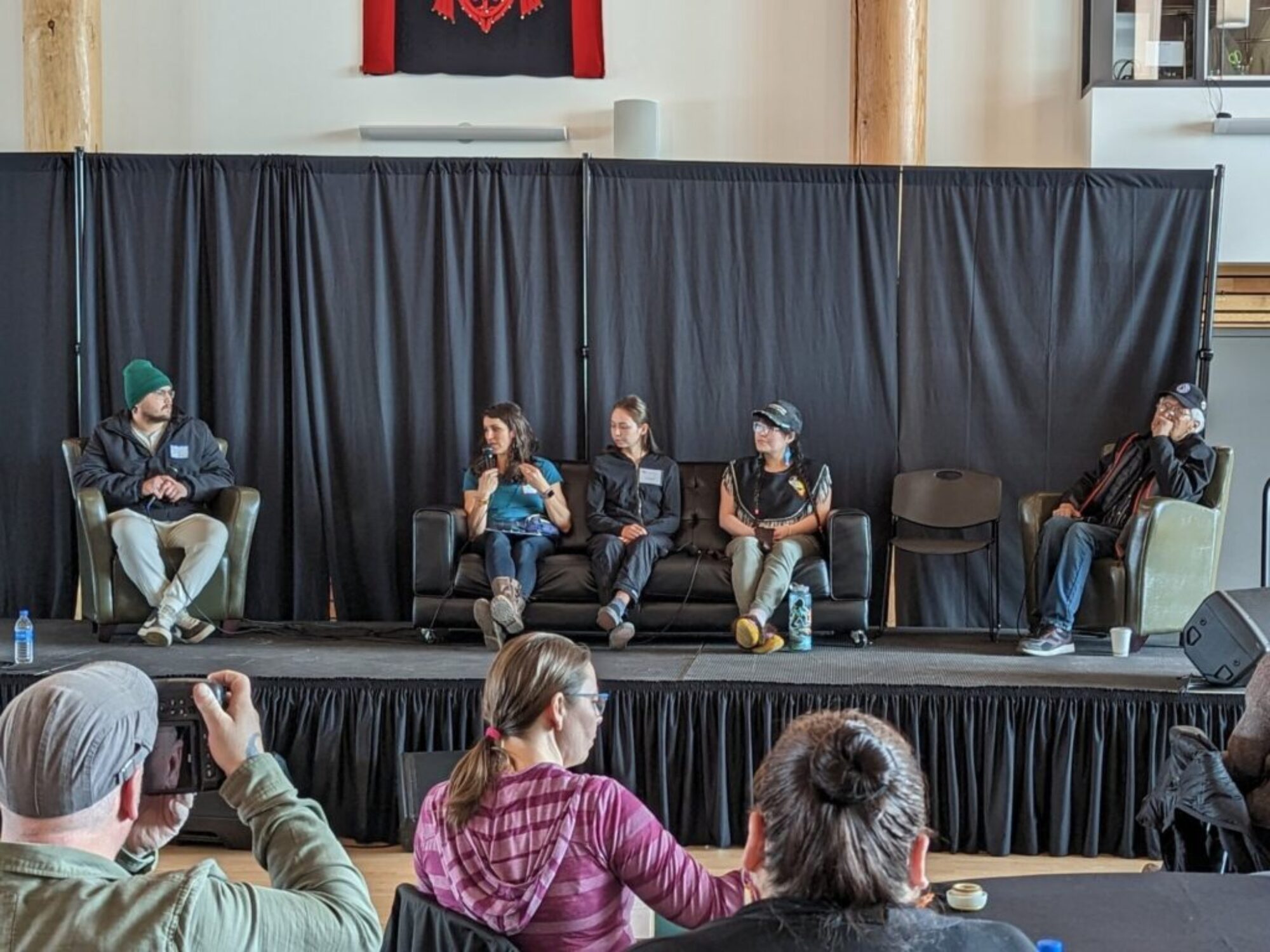
Protecting land and water requires strong relationships, shared learning, and collective action with First Nations, Governments, organizations, and residents. By supporting gatherings, participating in global conversations, and through community-led processes, we help build the connections and momentum needed for meaningful conservation across the territory.
IN ACTION:
Policy Submissions
Our Conservation Team creates submissions and recommendations on draft land use plans, policy documents, regulations, and proposed development projects. These submissions include research and analysis to address gaps, identify threats to wildlife, determine tools needed for protection, and ensure meaningful co-management. Often submissions provide strategic guidance and highlight ecological, cultural, and community values as we engage rights holders and stakeholders.