WooCommerce Product Customization: Sell Personalized Products (Free)
Want to sell engraved or personalized products in WooCommerce? This guide builds a customizable product with free PPOM: text fields, paid options, conditional logic.
Want a 90+ PageSpeed score in WordPress for free? This guide walks through the free stack: caching, image optimization, theme discipline, with measured before and after results.
Learn how to generate local SEO landing pages in WordPress from one CSV with MPG: templates, placeholders, free-tier limits, and the thin-content risks to avoid.
Want to display multiple RSS feeds on one page in WordPress? This guide builds a self-updating news wall or niche digest with the free Feedzy plugin.
Want visitors to set their own donation amount? Here’s how to build a pay-what-you-want Stripe form in WordPress with WP Full Pay, fees included.
Written by Nicole Schafenacker and Joti Røsholt | July 30, 2026
– Mary Lake Resident
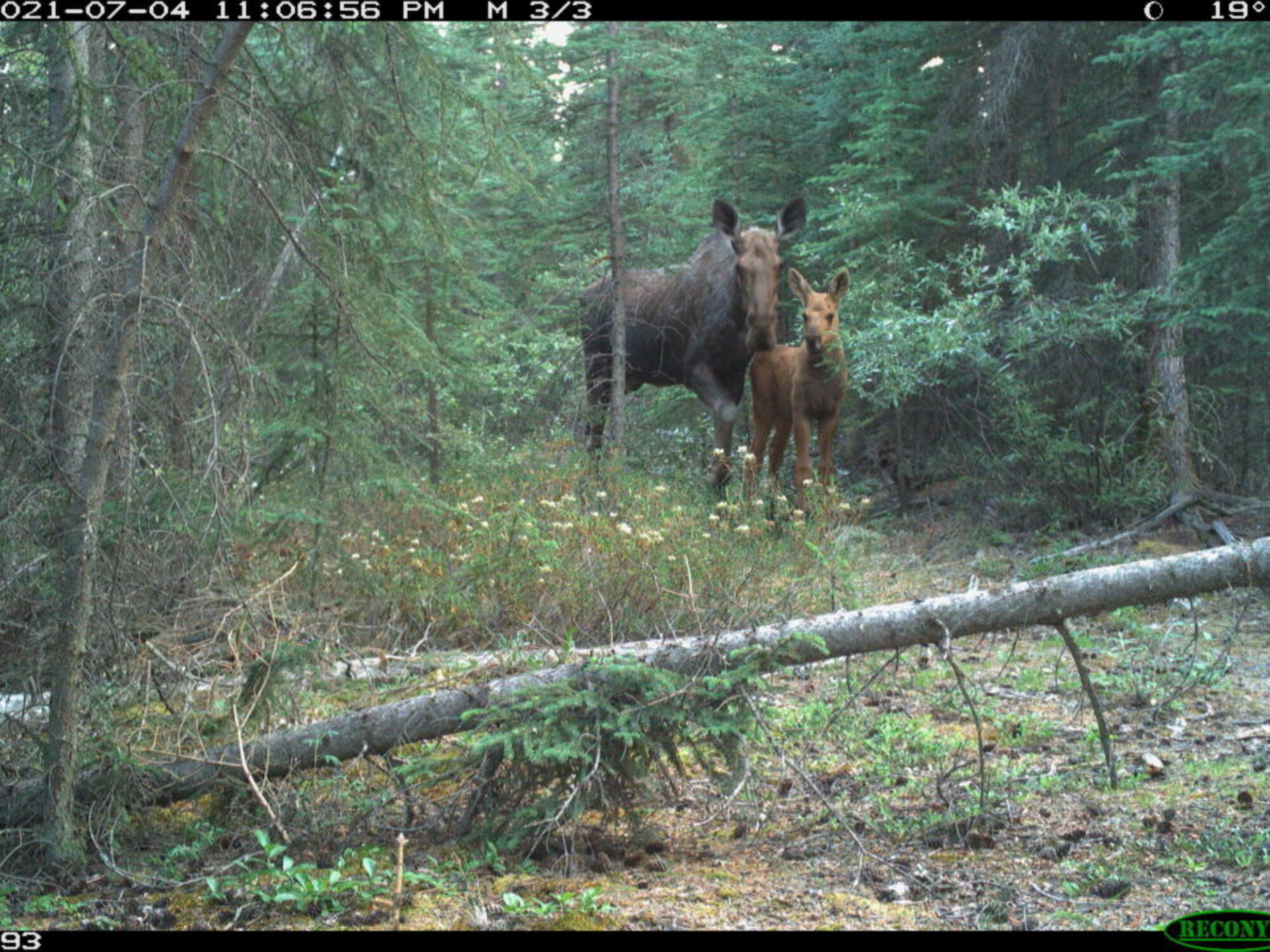
We have the unique privilege, in Whitehorse, of being a “wilderness city.” Within 20 minutes or less you can find yourself on interconnected trails that take you into the heart of thriving ecosystems: boreal chickadees adding to their nest with mosses, hillsides of crocuses marking spring melt, a pileated woodpecker drumming for ants, muskrats and beavers shaping waterways, signs of where black bears, mule deer, moose and even caribou have passed by. Many of these trails follow ancestral routes that connect all the way from Lake Laberge to Marsh Lake and beyond. We owe much to the Kwanlin Dün First Nation and Ta’an Kwach’an Council Citizens who have cared for and stewarded this place for generations.
For many residents, access to nature is the reason we live here. Just three years ago, the City of Whitehorse’s Official Community Plan (OCP) was adopted to ensure the priorities of residents and local First Nations are reflected in city planning. Careful planning is key to balance the needs of people, the health of the land, and the health of the economy. To this end, the City was developing a Mineral Exploration and Development Framework, to ensure “exploration and development progress in a manner consistent with local planning objectives and community values.”
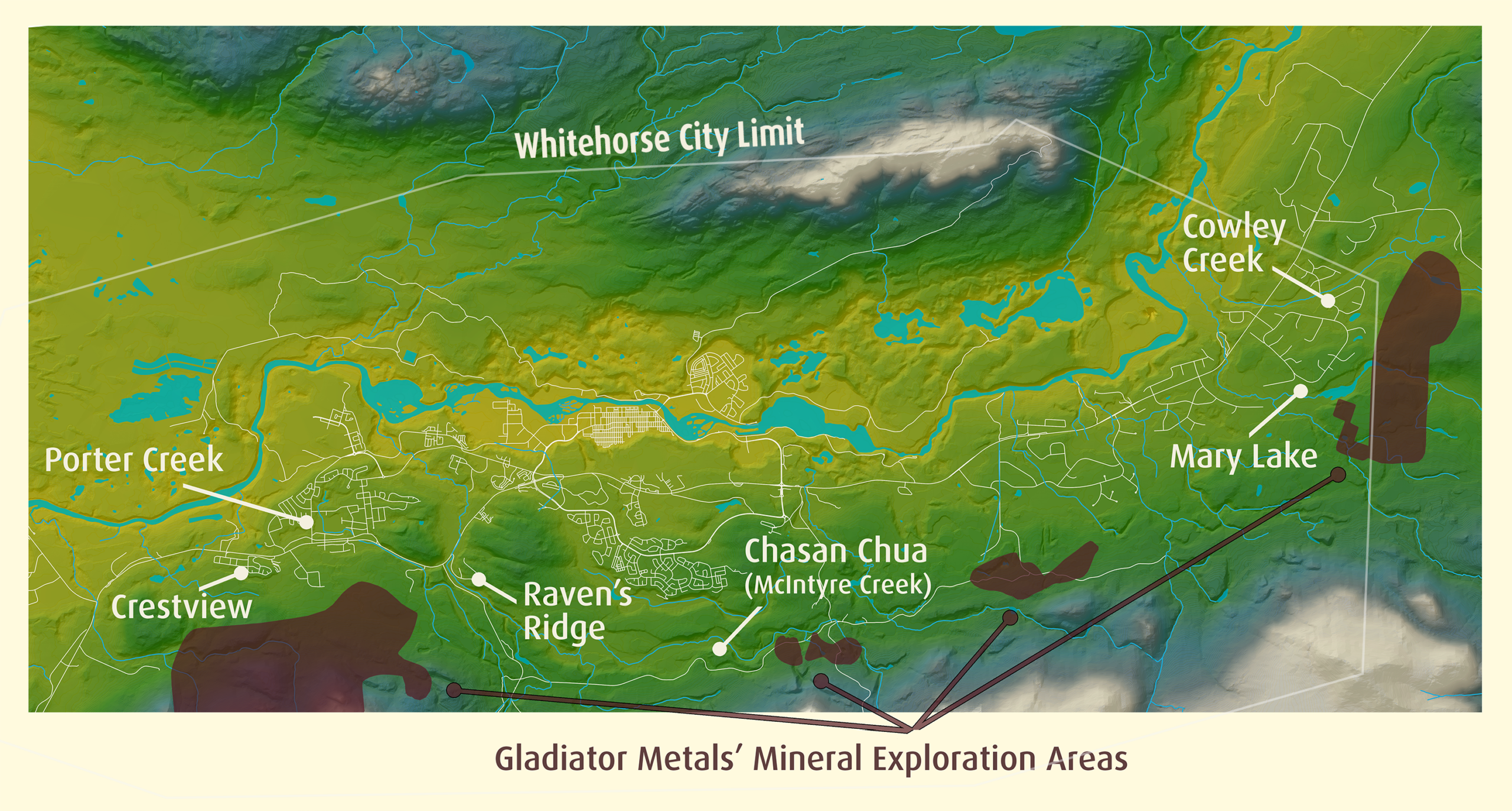
However, Gladiator Metals proposed an amendment to the OCP to bypass this framework and the public process the City had been working on over the last few years. The proposal seeks to reclassify three greenspace and environmentally sensitive areas (along Mary Lake, near Copper Ridge, and near Mount Sima) as areas for Future Planning, and then permit mining exploration in all Future Planning areas. City staff put aside working on the framework to focus on this proposal, despite there being no legal need to do so immediately.
As the city grows, decisions on how to balance the needs of housing, transportation, and development will grow with it. Future planning areas are typically flagged for residences, schools, community facilities, and transportation infrastructure. This change would complicate meeting the current and future day-to-day needs of Whitehorse residents.
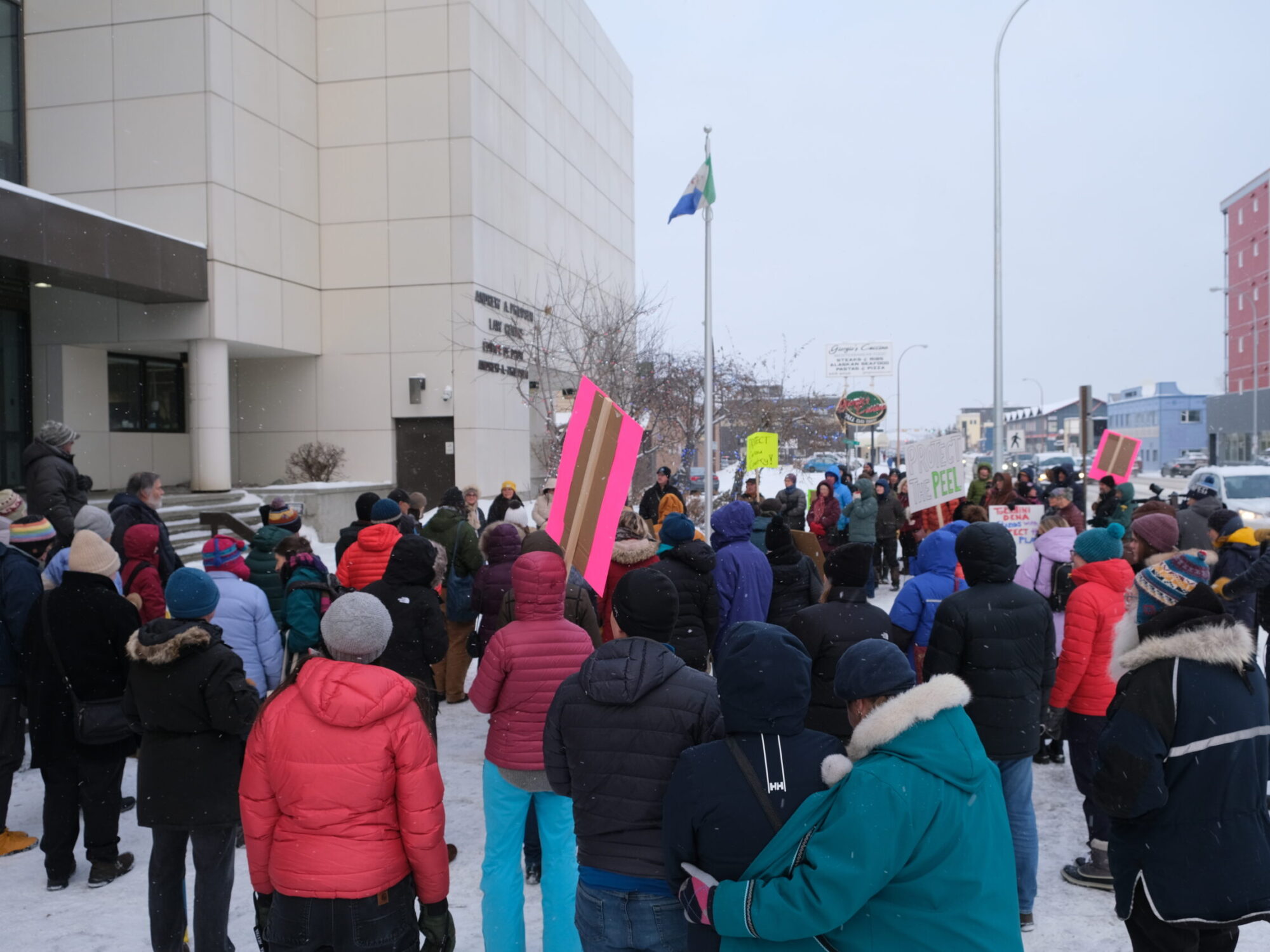
During the City Council meeting in July, residents filled City Hall and spoke up. Why is the City prioritizing industry interests over community needs and processes? One Wolf Creek resident spoke about how the framework was designed to mitigate the impacts to water, wildlife, and people, and how residents have all engaged in this rigorous process. They emphasized the need for planning, respecting process and fairness. Likewise, a Mary Lake resident spoke about how the OCP matters; residents and stakeholders were extensively consulted, and the result is a careful, municipal land use guide and plan. They went onto say that a mining claim is NOT a land-use plan. By considering this amendment, the City of Whitehorse is allowing Gladiator Metals to bypass the process and change the OCP for their own self-interest. This sets a dangerous precedent for mining companies, whose goal is for exploration to become a mine, bringing more impacts that can quickly escalate around Whitehorse.
Current exploration areas for Gladiator Metals, where they have a Class 3 Exploration Permit. Graphic by Malkolm Boothroyd.
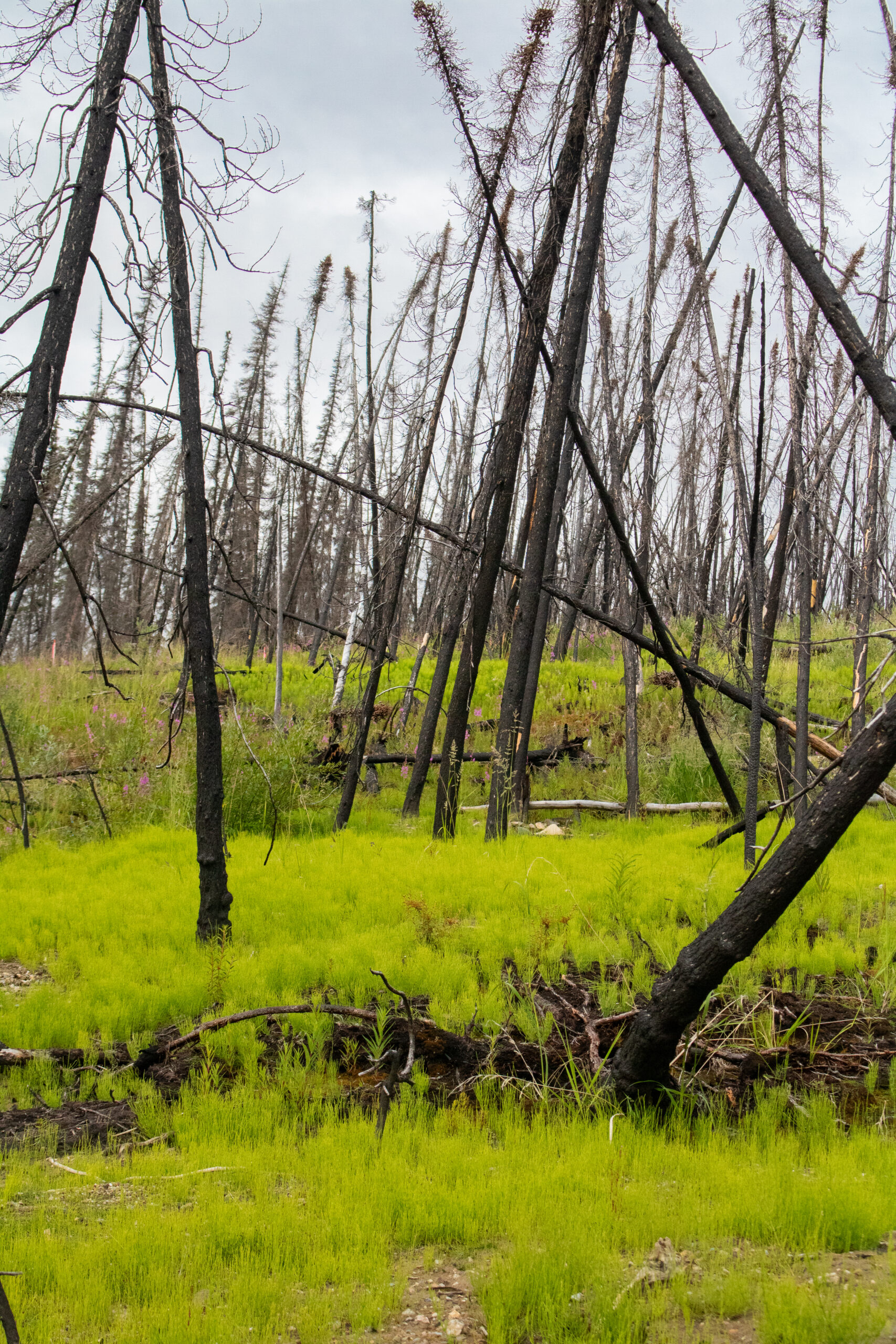
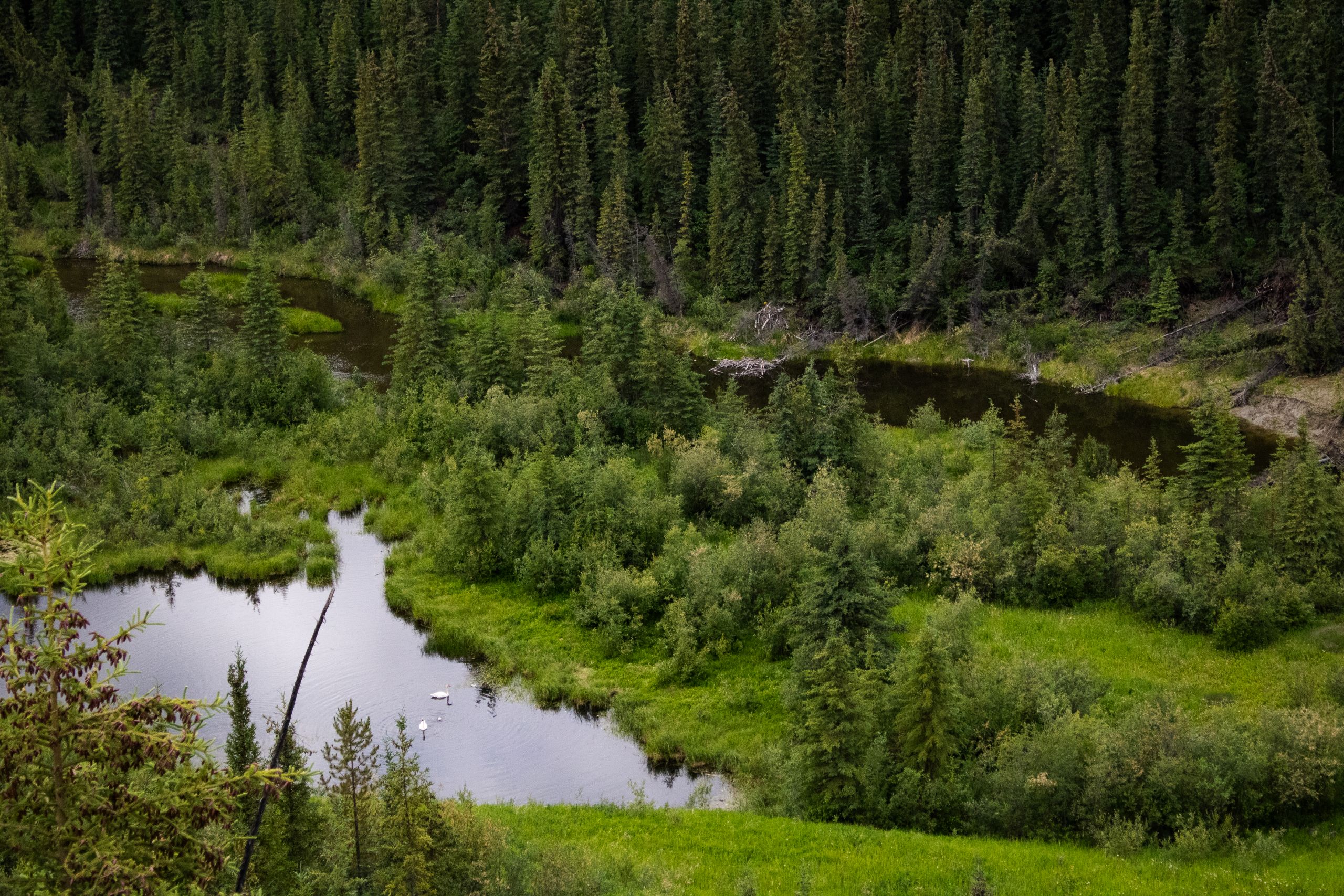
Further, the mining company’s proposal introduces a broad definition for “Disturbed” areas, which includes everything from areas with FireSmarting, past mining activity, fire breaks, and more, to similarly facilitate mining exploration. “Just because an area has been disturbed does not automatically equate to it then having mineral tenure,” noted one resident. Another Mary Lake resident added that the proposed areas are not a wasteland, that people and wildlife rely on these places, specifically noting caribou. Nearby, Chasàn Chùa Territorial Park protects areas that were damaged by a landfill and drilled for mining exploration, where there are beavers, families of moose, trails, and more. Many disturbed areas are healing and being cared for, and shouldn’t have their value thrown out for mining interests.
This trend of industrial activities transforming Yukon’s wild spaces before planning reverberates throughout the Yukon. On the traditional territory of the Na-Cho Nyäk Dun First Nation, permanent changes to the Stewart watershed region are piling up before the people impacted have the opportunity to create a long-term plan for the future. Measures like regional land planning and management plans for protected areas are something all Yukoners can participate in, but for them to be meaningful and practical we need our governments to stand up for these democratic processes.
What these planning processes have in common is a vision for the future that comes from the people who live there. In the Yukon, we have an opportunity that many cities and communities have lost: to meet the needs of the community, local economy, and the environment. But this takes planning. A company often will not be there for full life cycle of a project, but communities will be. Allowing industry to begin work before planning is completed erodes the ability of plans to safeguard the lands, water, and wildlife that have been stewarded since time immemorial.
The good news is that it’s not too late. The City is accepting written submissions until a public hearing takes place on the matter at City Hall (Monday August 24th, 5:30 pm). Email publicinput@whitehorse.ca with your thoughts and priorities. Residents can also speak at the public hearing.
Tips from Whitehorse residents on writing to Council:
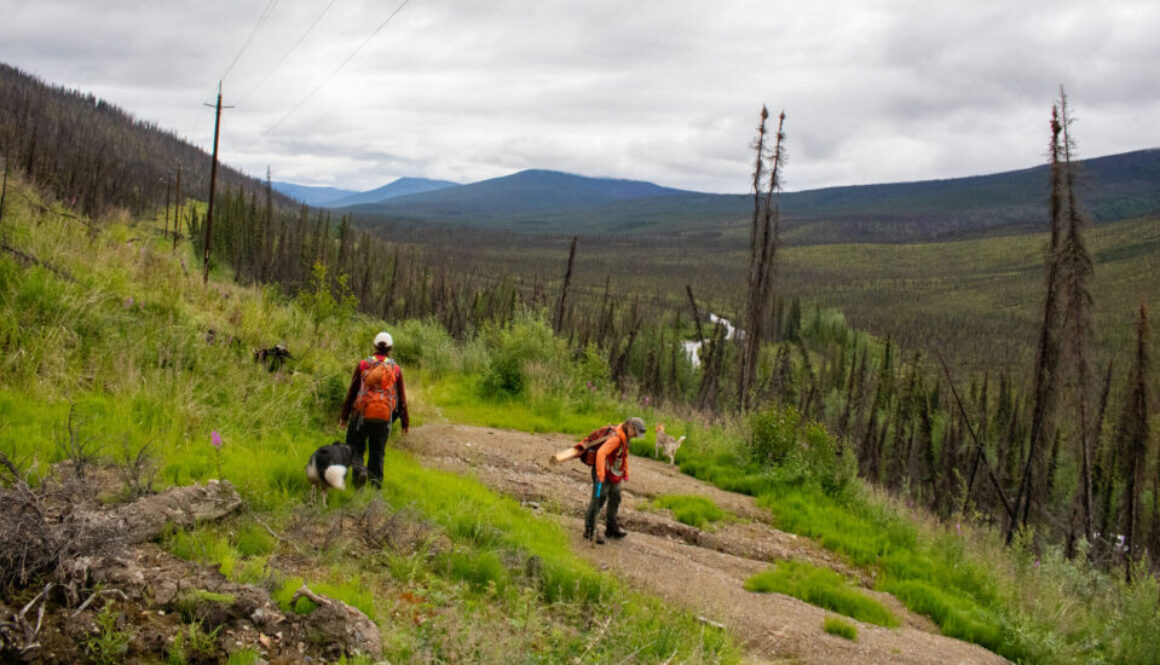
We also recommend reporting observations and complaints to the City of Whitehorse about impacts such as noise and disturbance, disruptions to wildlife and/or trails, or concerns about groundwater and wells.
For all the dog-loving Yukoners you can participate in the first ever Dog-A-Thon Triathlon in Mary Lake on August 22nd to showcase what makes one of these threatened greenspaces so important to residents.
As we face pressures from wildfires, climate change, and geopolitical tensions, it’s more important than ever that we come together as Yukoners and contribute to the planning processes across the territory. Through regional land use plans, management plans for protected areas, or community plans, we democratically create a long-term vision for the health of this land for the generations to come.
Sources and resources:
Contacts for reporting a nuisance:
City of Whitehorse the Bylaw Services trouble line (867) 667-2111
Getting a complaint logged with any, or all of these branches is an important step regardless of what they recommend.
Tips for reporting noise disruptions:
Including the following information will strengthen your complaint:
A Parallel in the Stewart Watershed
The First Nation of Na-Cho Nyäk Dun signed their Final Agreement in 1993 and three decades later the Yukon government has just entered into a regional land use planning process with the Nation. Meanwhile, the region and watershed is undergoing significant transformation by industrial development. “There’s going to be nothing left for them” said Councillor Helaina Moses, referring to the generations to come, during the Nation’s presentation that ran parallel to the Yukon Geoscience Forum & Tradeshow last year. In the history of mining in the Yukon there are only a handful of mines that have been successfully closed. The impacts of mines that end in disaster have had profound cultural, environmental, and social consequences that leave their mark for decades to come. In the aftermath of the Eagle Mine Disaster, Yukoners have been left to lend taxpayer dollars to cover disaster-response costs that amount to one-eighth of Yukon’s budget.
Similar to the City’s OCP, regional land plans in the Yukon are holistic plans created together by communities, governments, stakeholders, planning experts and are designed to include economic values as well as environmental and social values. As former Chief of Na-Cho Nyäk Dun Dawna Hope has said, “We know we need mining. But no more boom and bust, in and out.” As many leaders across the Yukon have pointed out, the Yukon’s mining laws have not been updated since the Gold Rush. To sustain mining and local jobs we need mineral legislation for the twenty-first century.
Written by Paula Gomez Villalba with photos by Hannah Hofsink, Ross River Dena Council territory | June 26, 2026
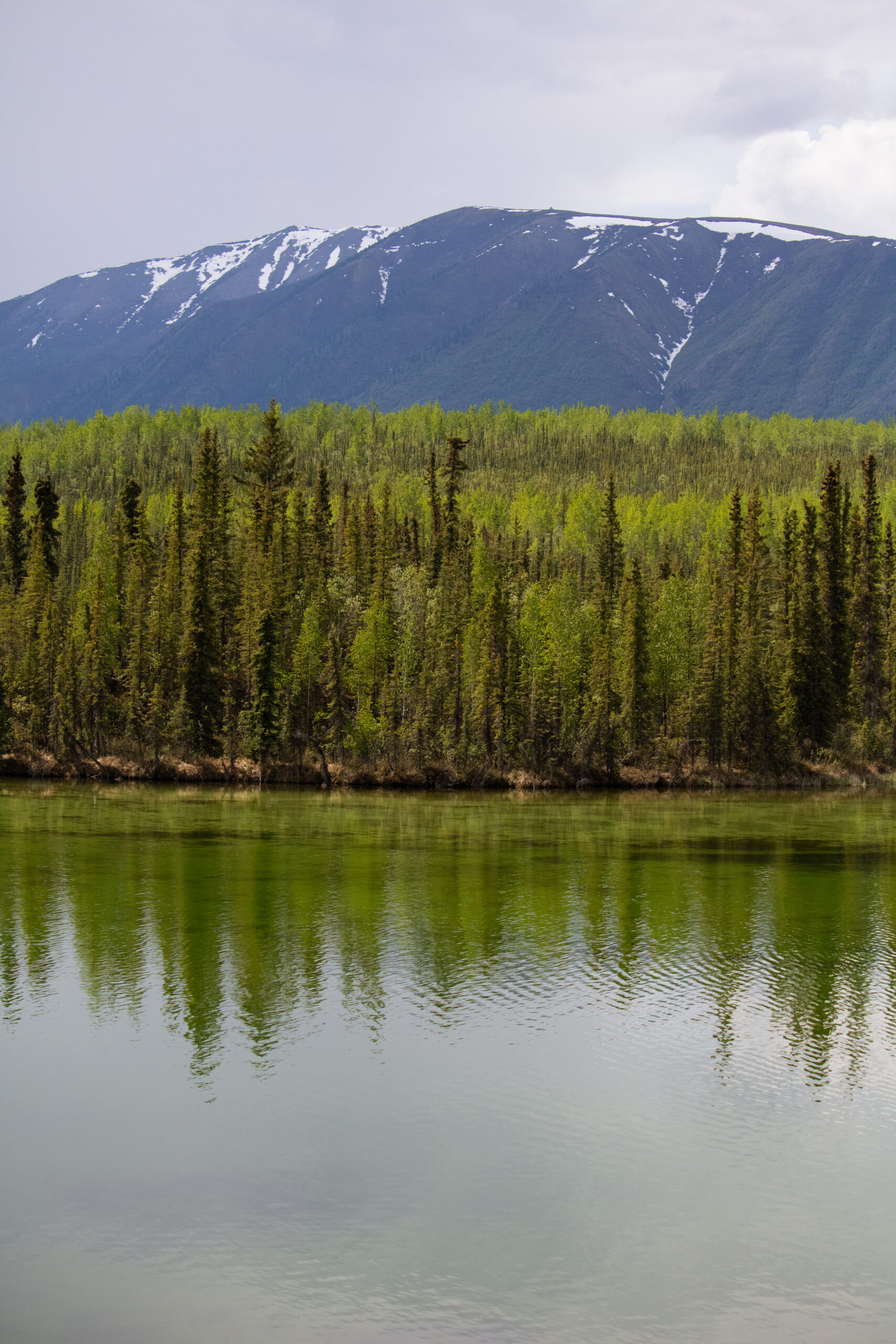
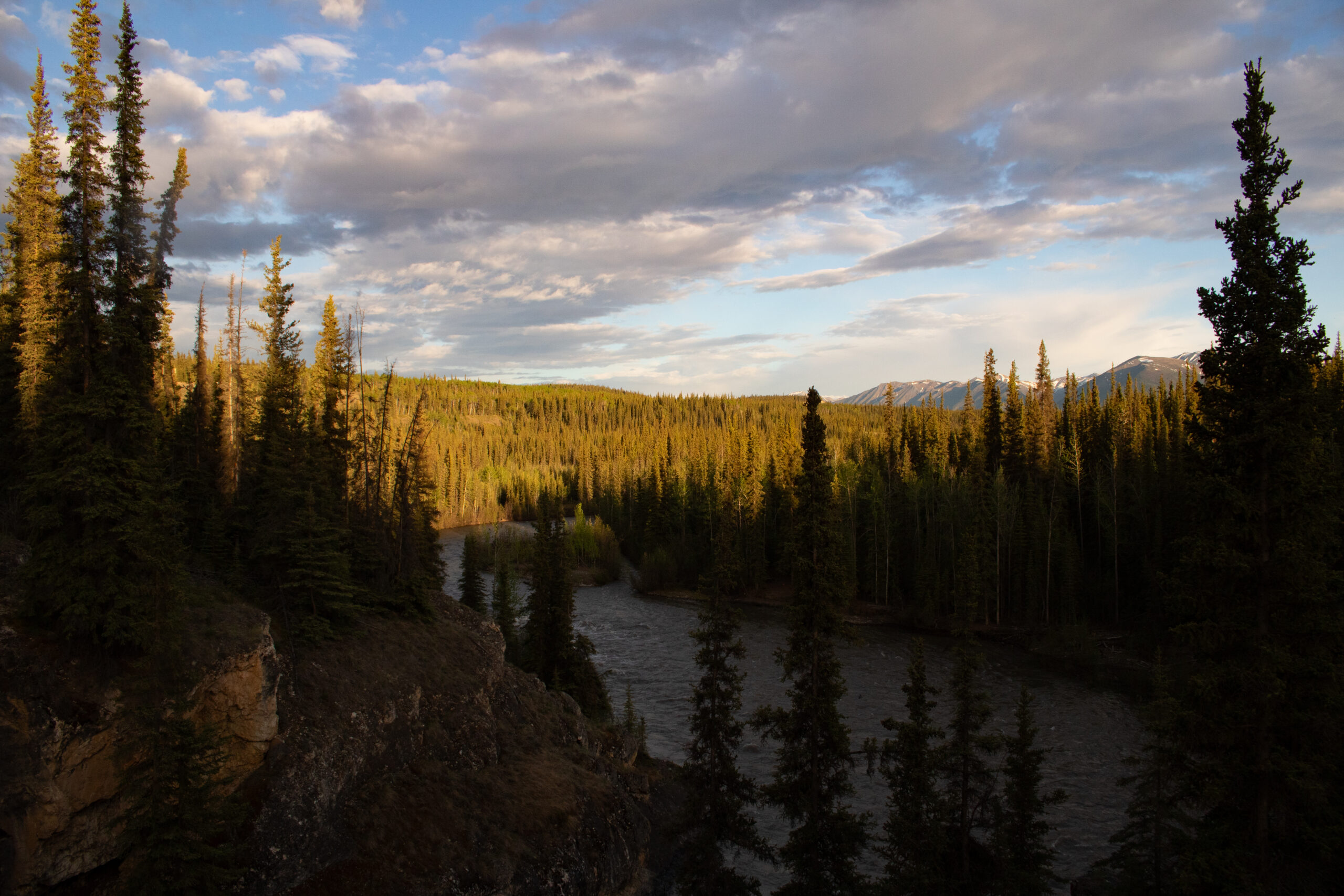
June in Tu Łidlini (Ross River) is marked by willows, broods of ducks rafting on ponds, and the smell of fresh poplar leaves. Sitting at the confluence of two important rivers, the Ross River and Tu DesDes (Pelly River), Tu Łidlini translates to “Where the Waters Meet.”
You can still see snow on most peaks, feeding lakes and rivers on Ross River Dena Council territory as it melts. These waters support so much growth: Moss that blankets the forest floor soaks up moisture like a sponge. Pike eggs hatch near the shore. Birds return in waves, filling the land with sound.
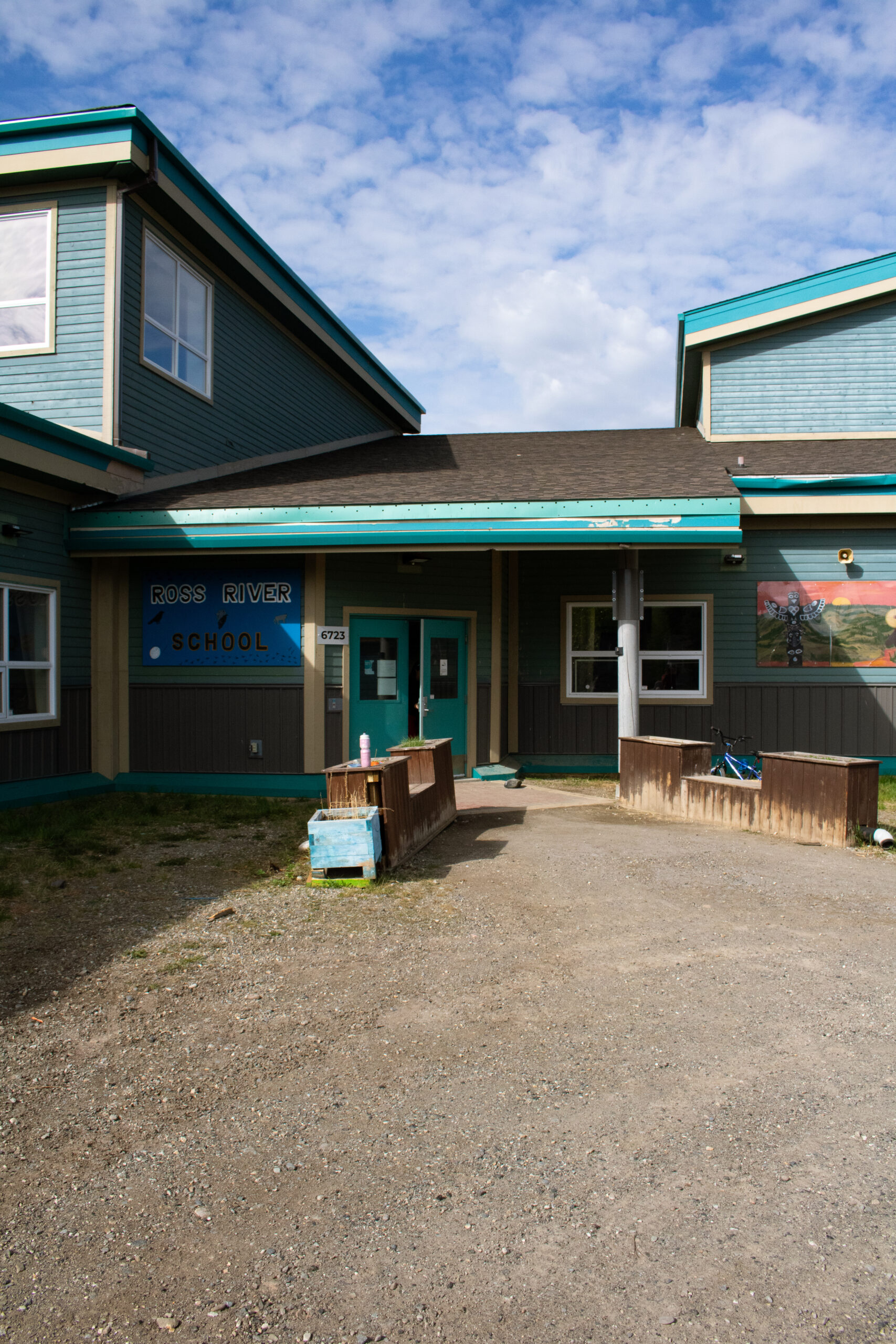
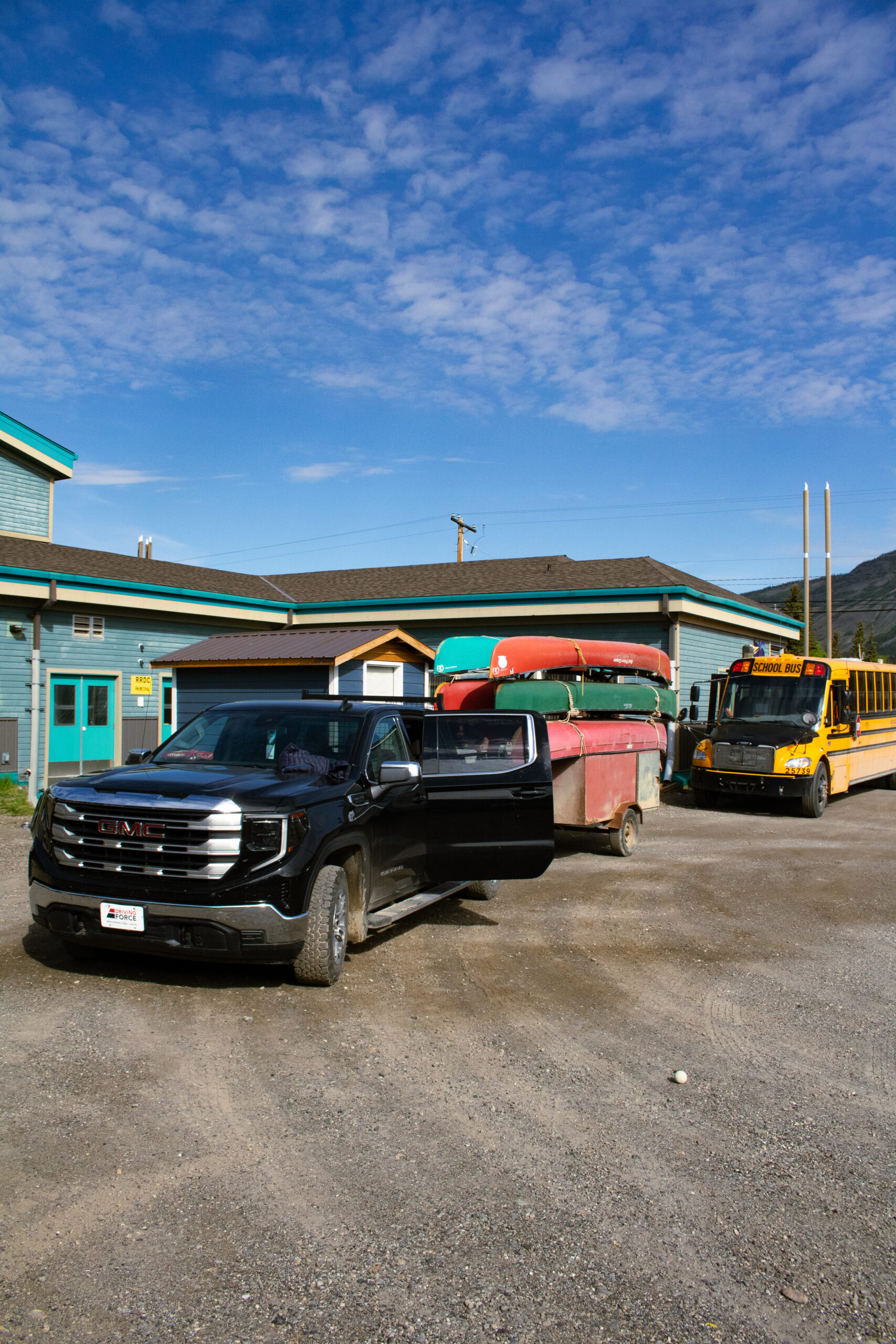
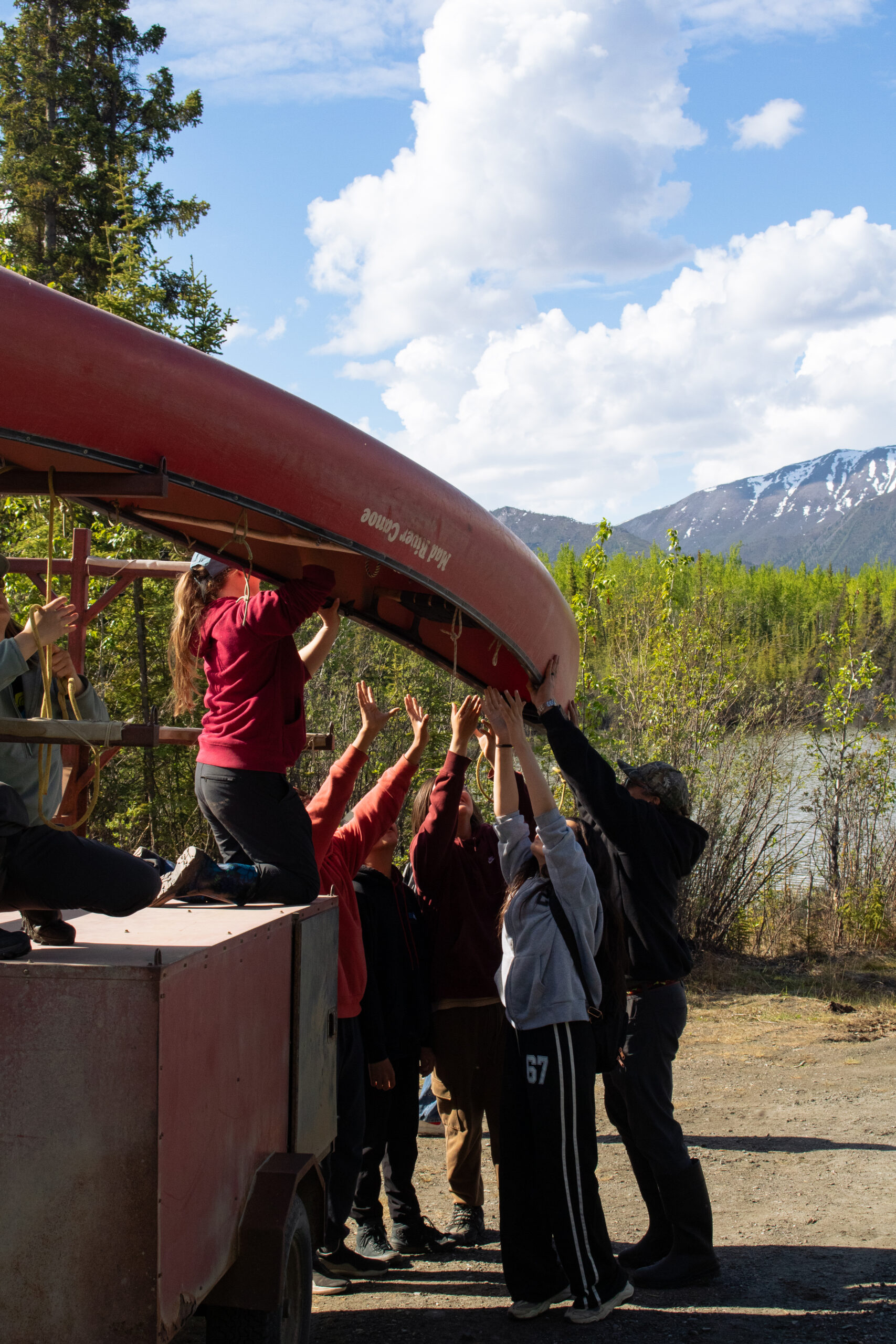
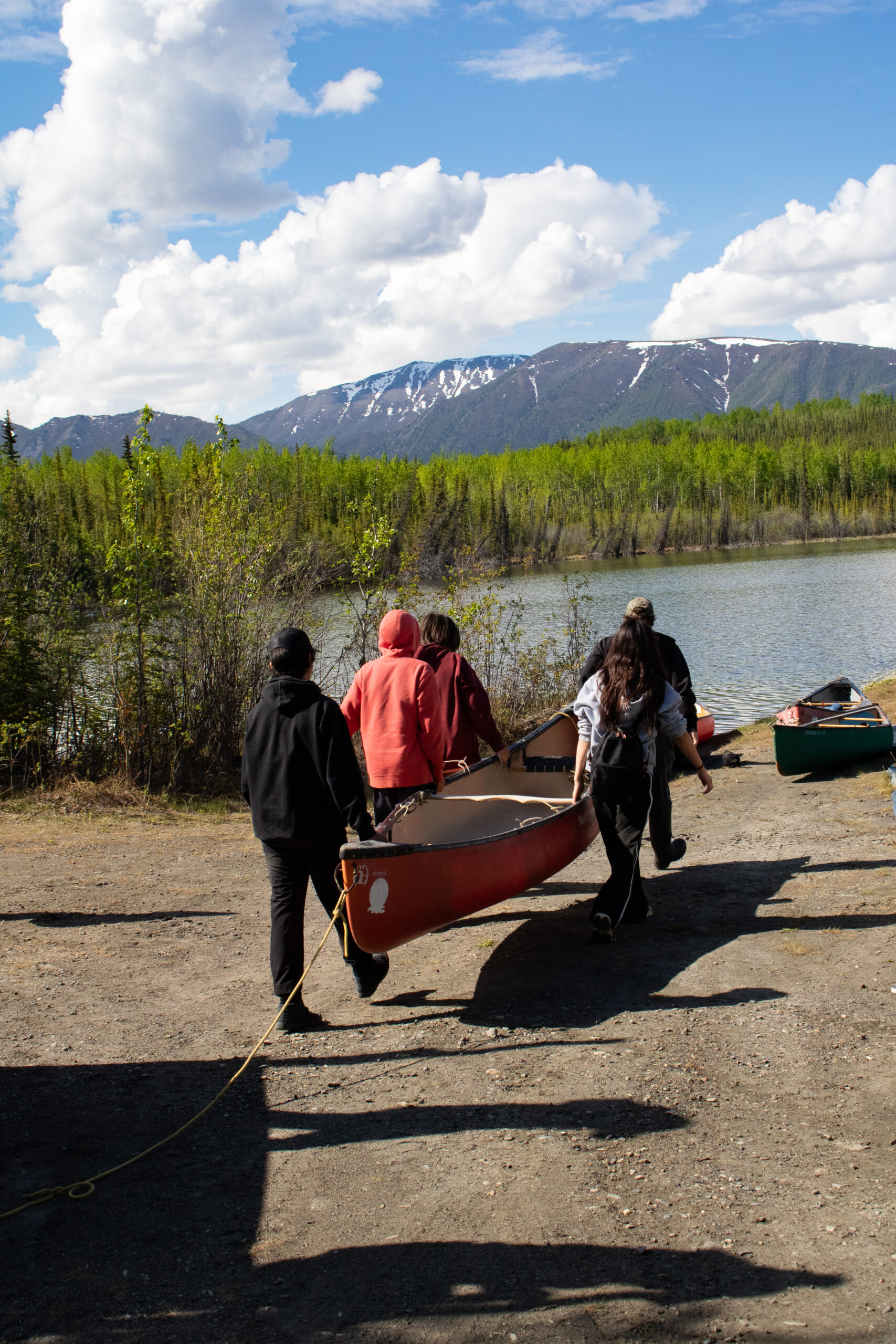
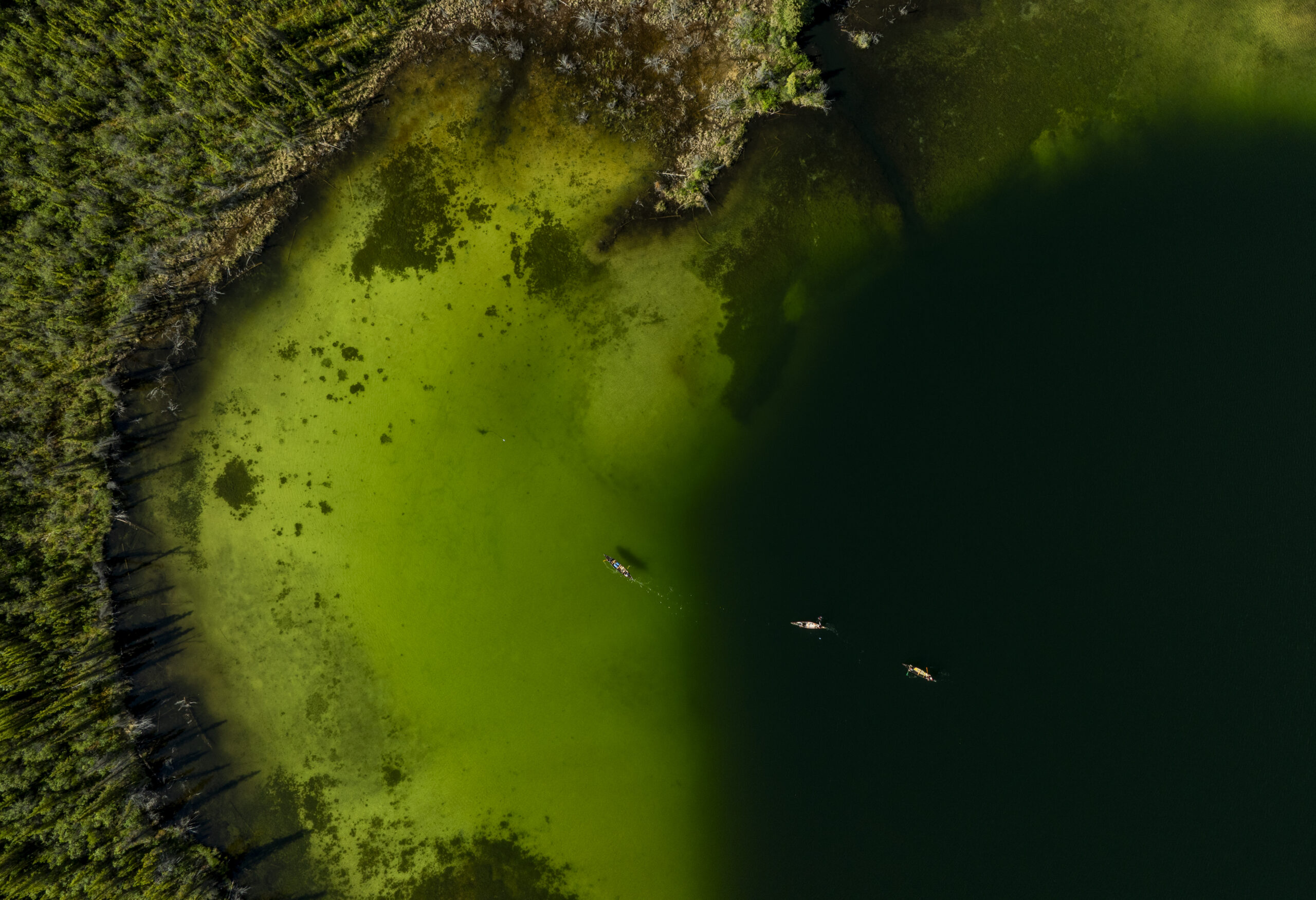
Greeted enthusiastically by two pups as we pull in, our CPAWS team meets at the Ross River School. With canoes in tow, we make our way to one of these waterbodies: Jackfish Lake.
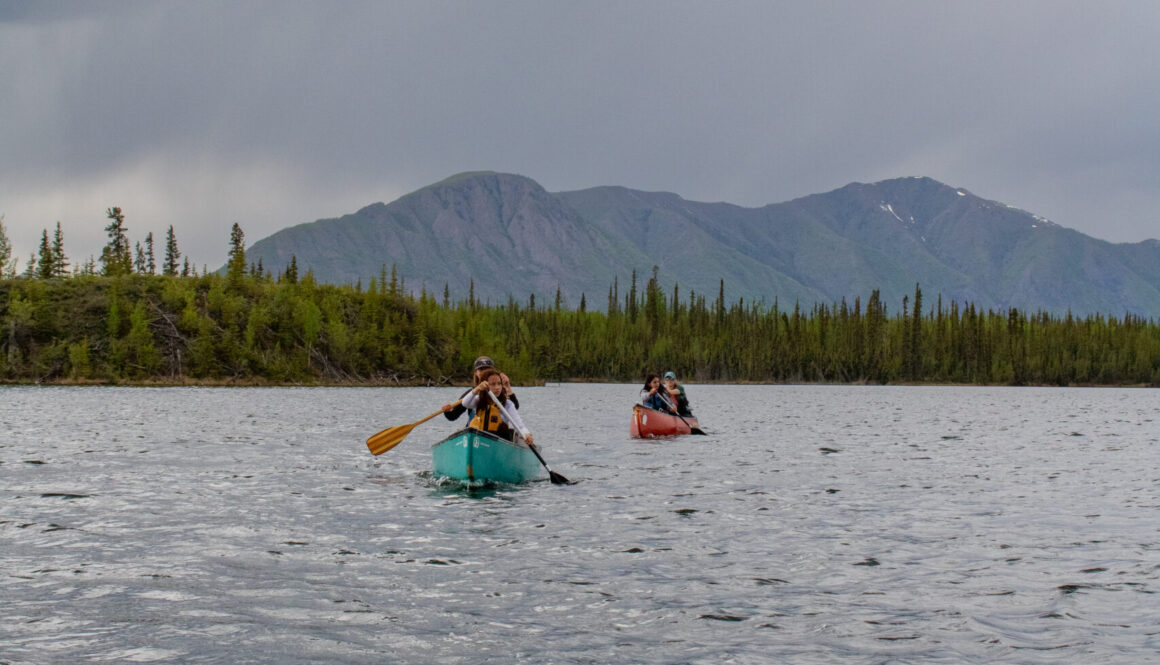
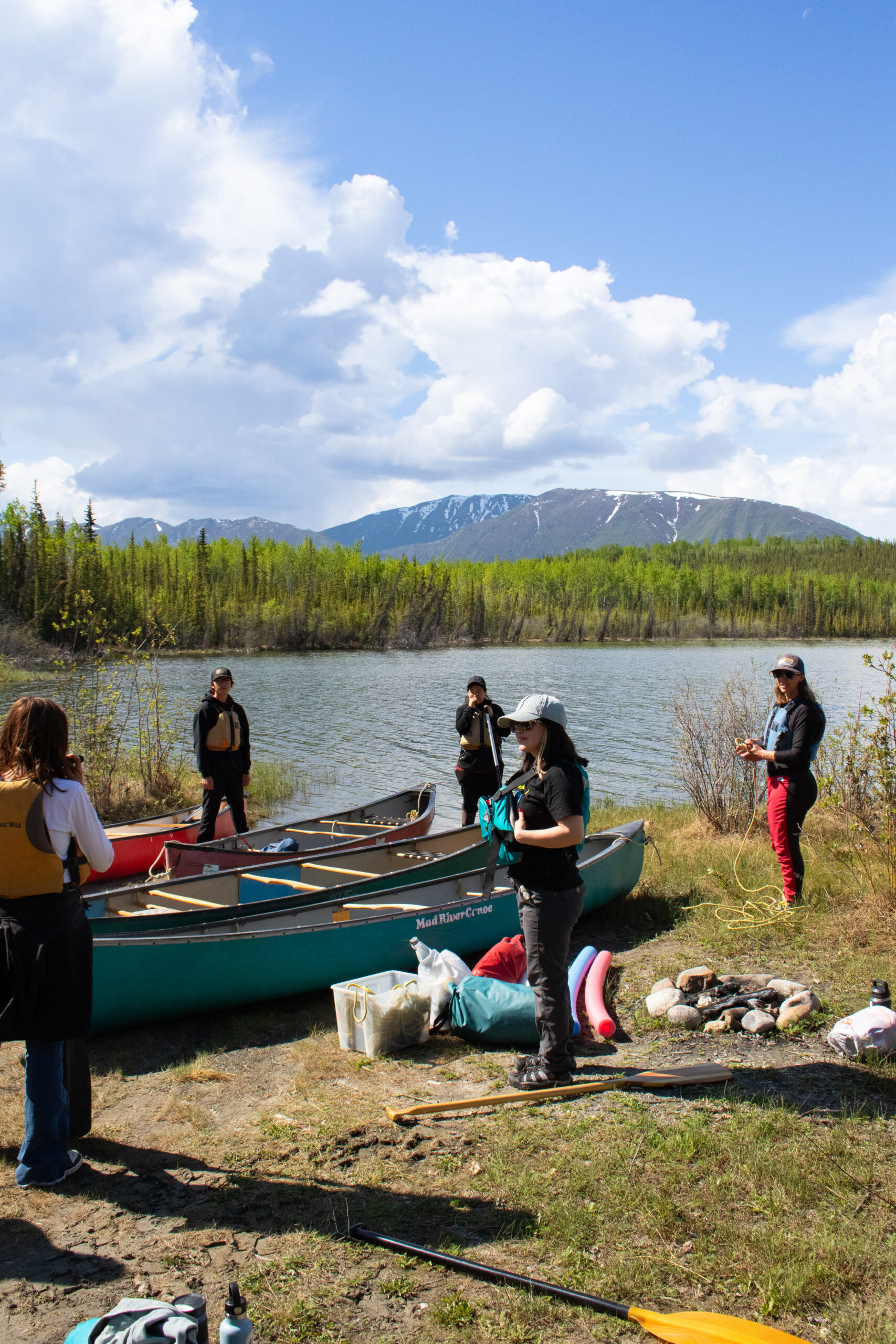
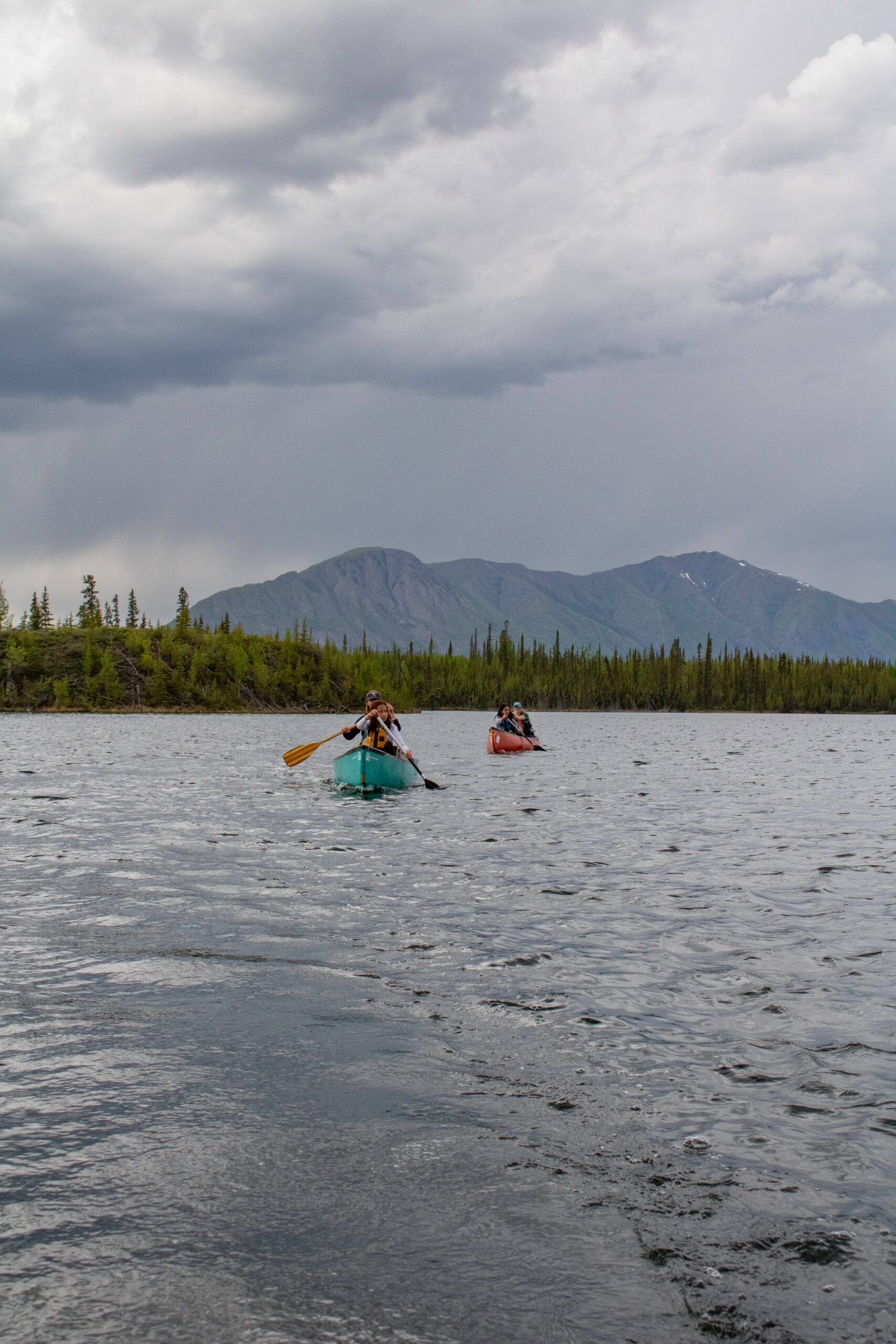
We’re supporting flatwater canoe training with the Ross River School, teaching alongside Principal Cox and schoolteacher Kennedy Pepin-Harmatiuk. A group of Grade 6/7 enthusiastic students is ready to learn.
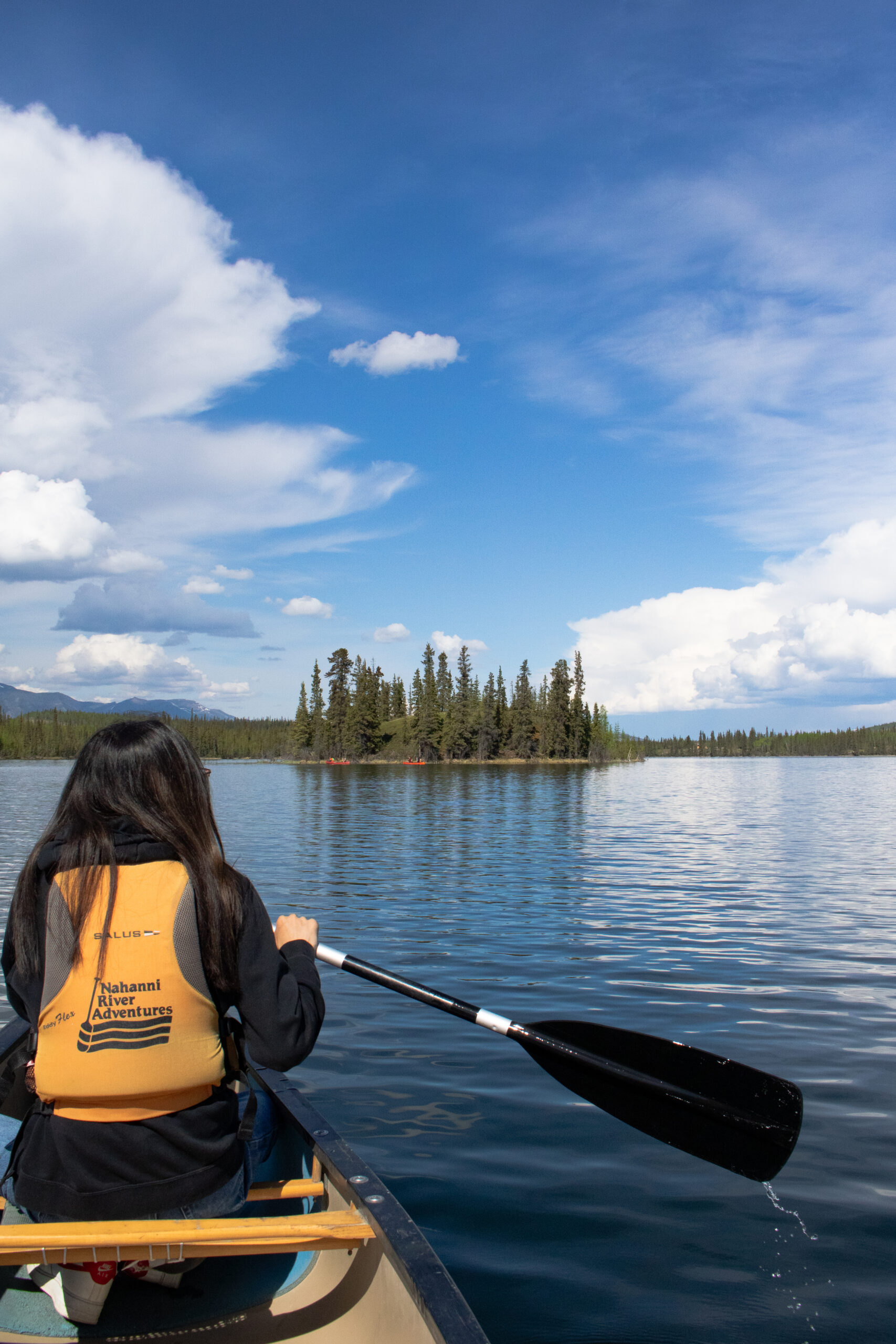
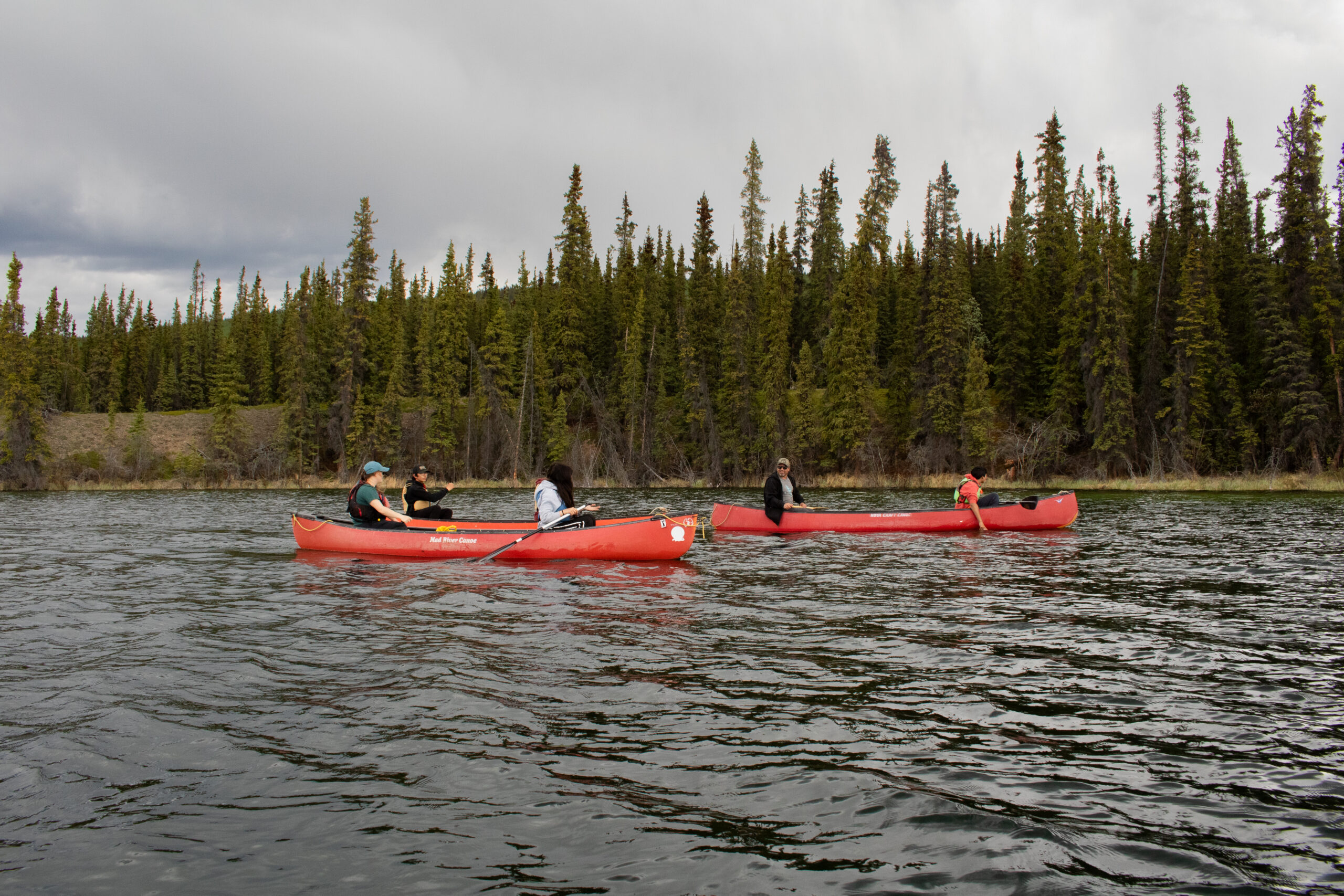
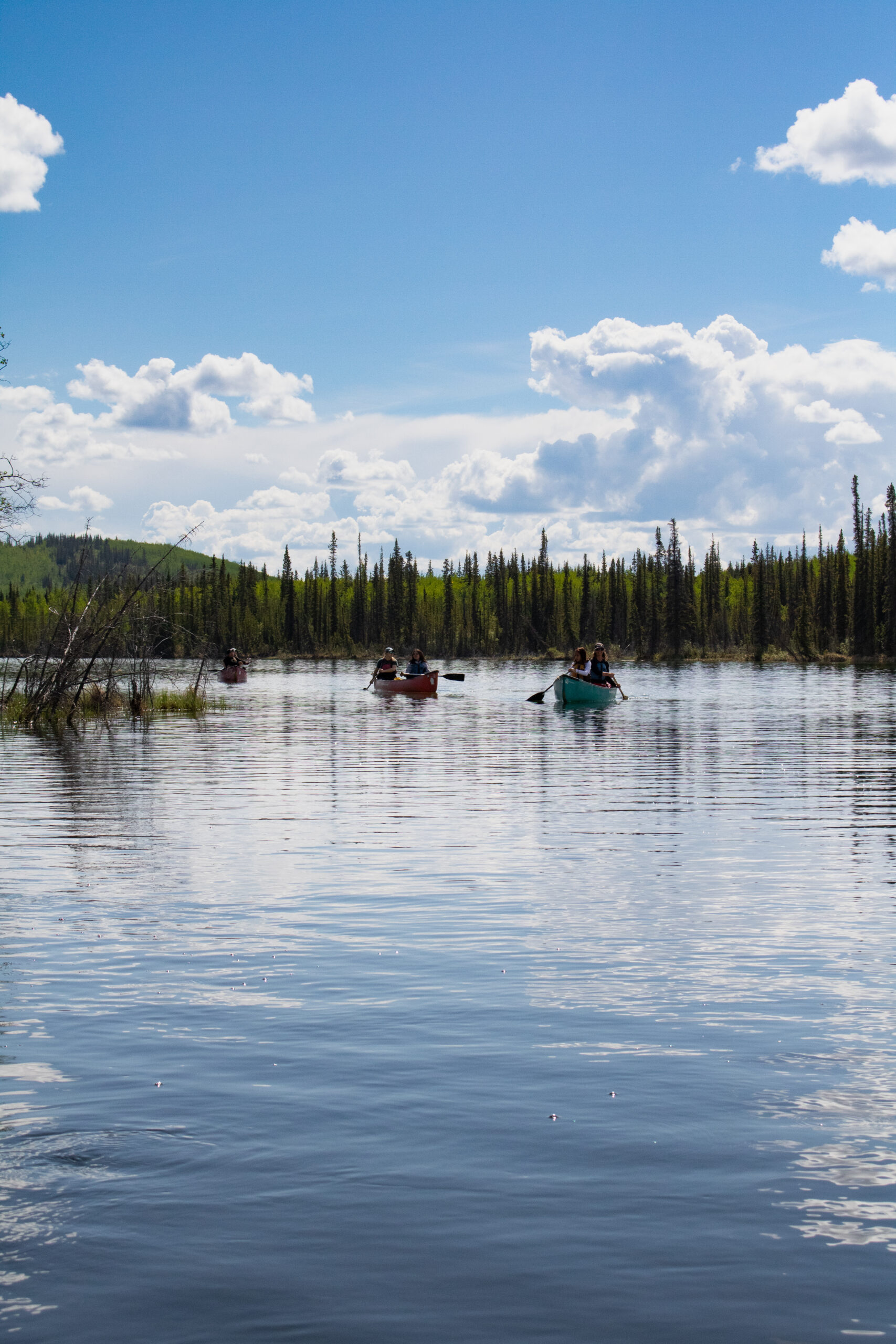
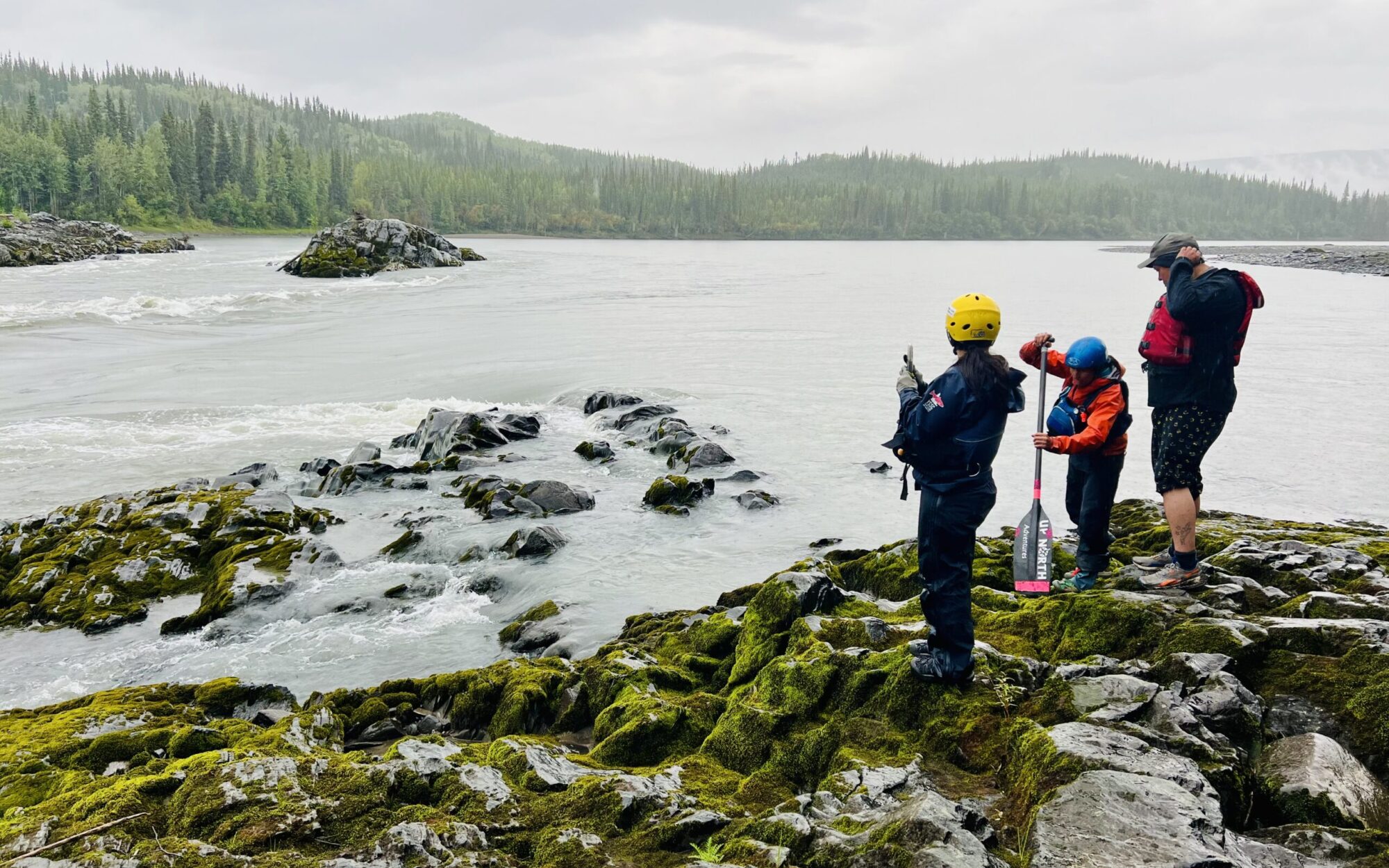
River guide and First Nation of Na-Cho Nyäk Dun citizen, Kadrienne Hummel, leads a few safety demonstrations and basic paddle stroke lessons from the shore. The group then pushes out onto the water to loop around an island in the lake.
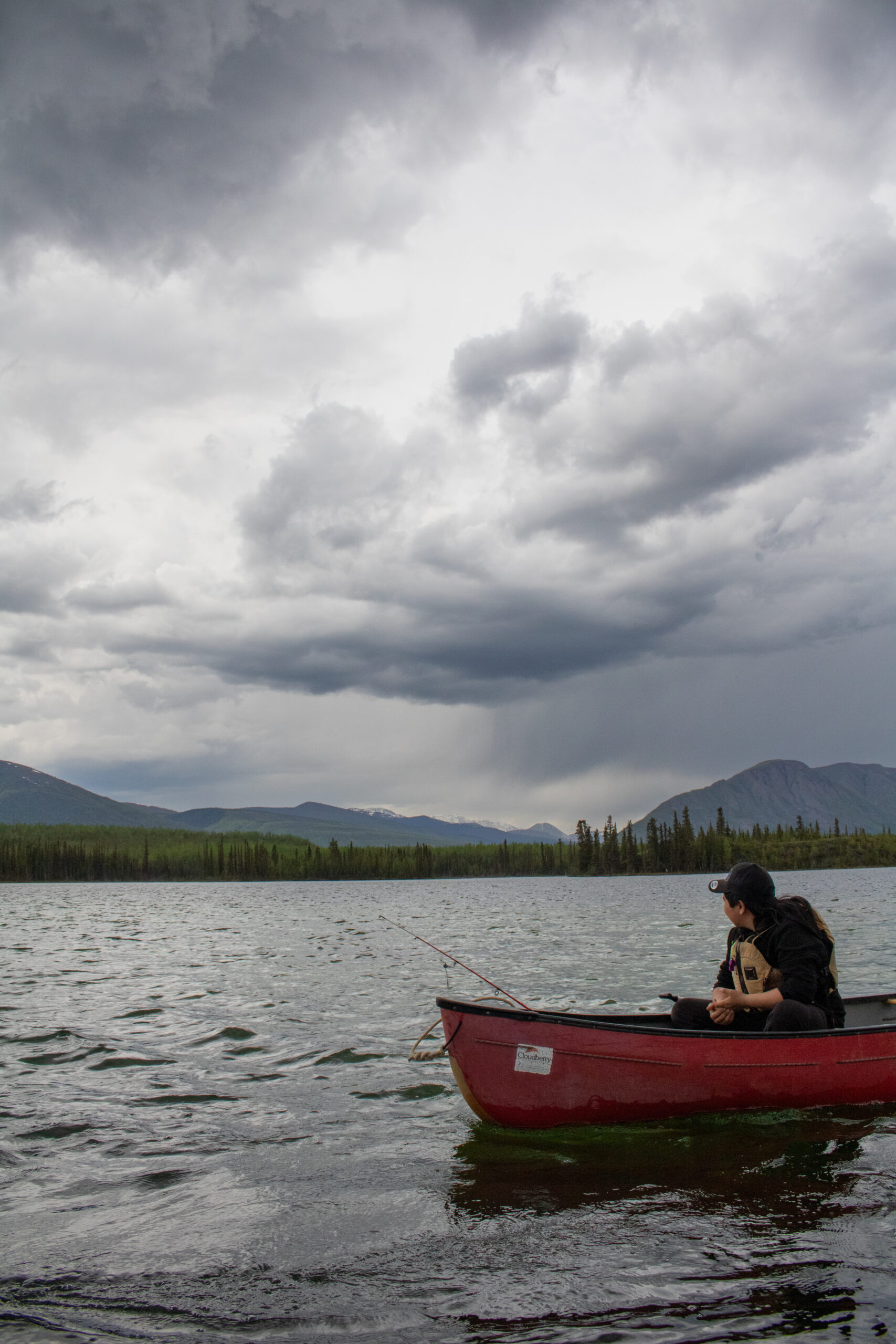
Kaneda, a Ross River Youth who paddled with us on Tu DesDes (Pelly River) last summer, is especially keen to share skills and support others in the canoe. He sits in the stern, directing the boat with confidence.
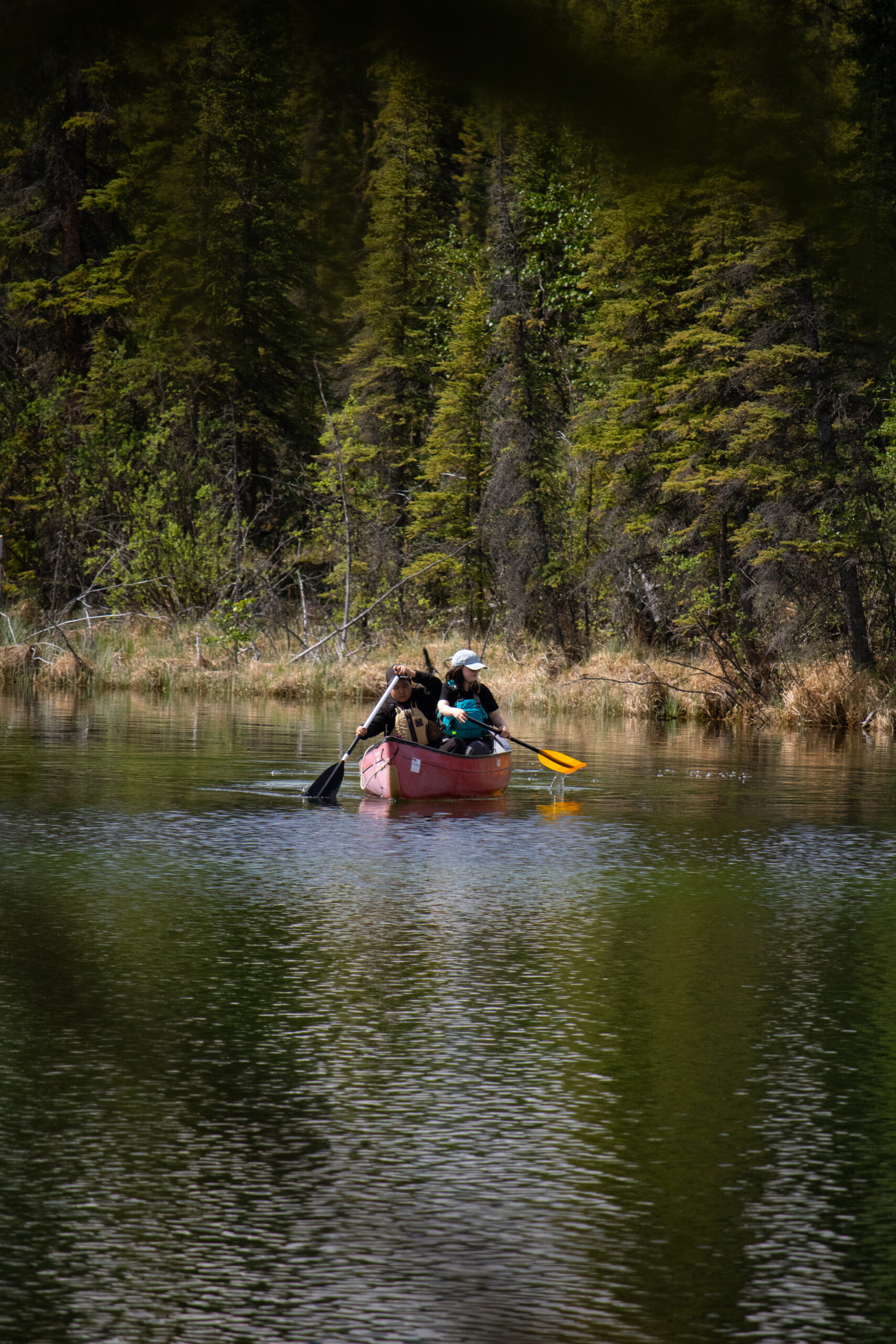
As the afternoon progresses, youth find rhythm in their paddles, growing stronger in their synchrony.
During the trip, Kadrienne speaks about her journey since her first trip on Tsé Tagé (Beaver River)—reflecting on how paddling connects her to culture and what it has meant to become a public voice for her Nation.
Jackfish Lake lies in the traditional territory of the Ross River Dena Council (RRDC), formed by melting glaciers over 10,000 years ago.
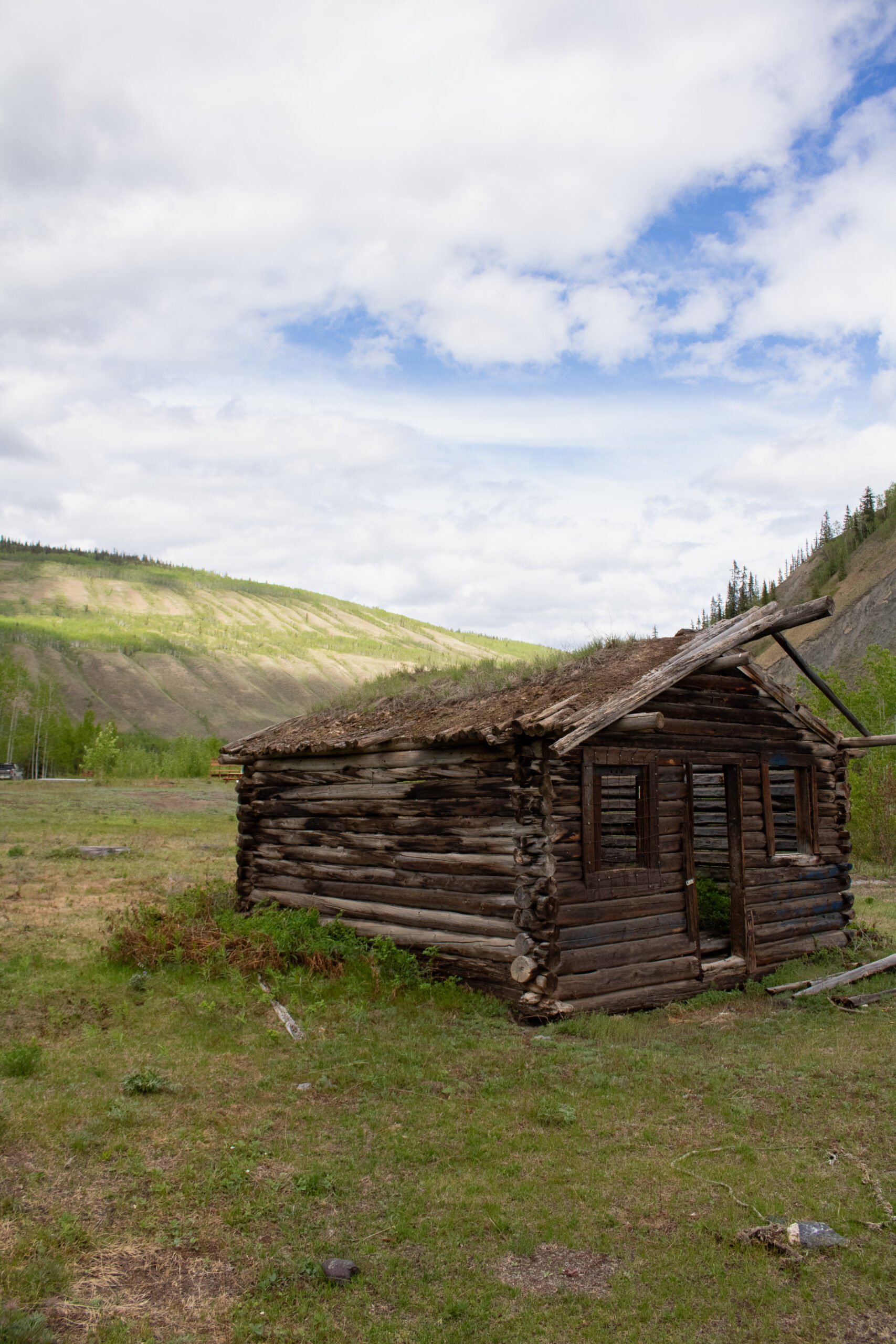
In the sediments surrounding Tu Łidlini, there are even traces of prehistoric life. Four different species of dinosaurs walked this land 85 million years ago, leaving behind fossilized footprints – one of which is on display at the school.
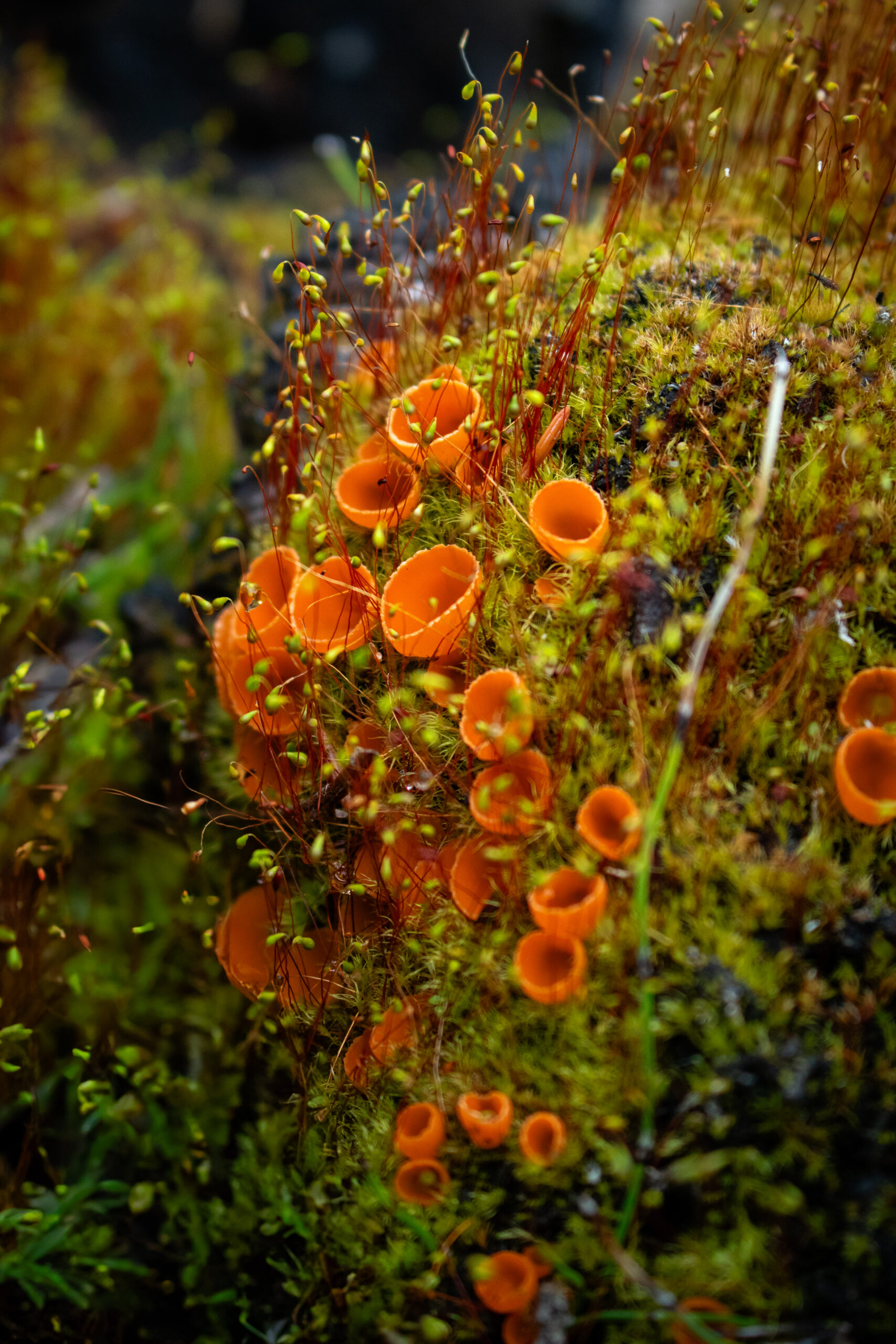
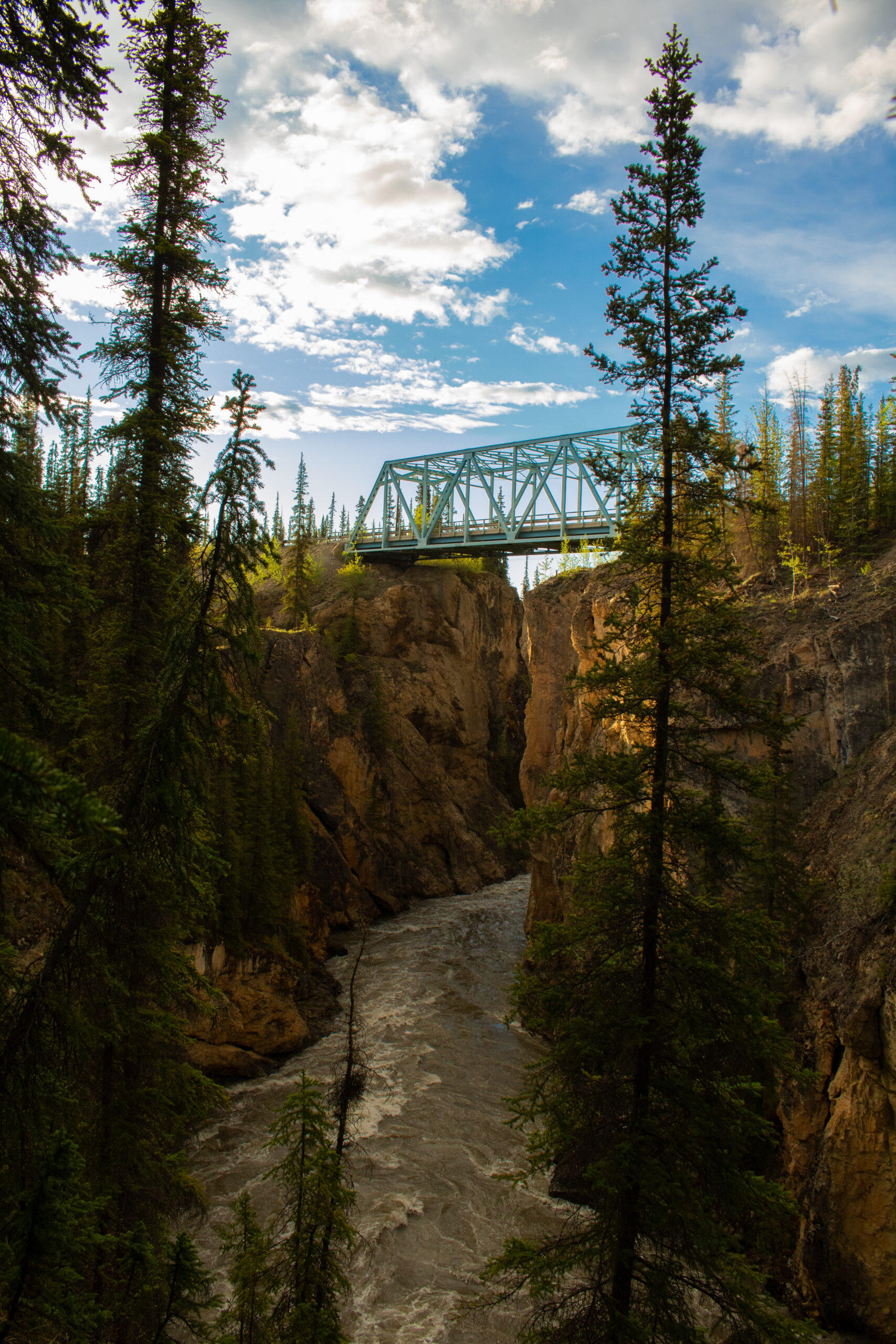
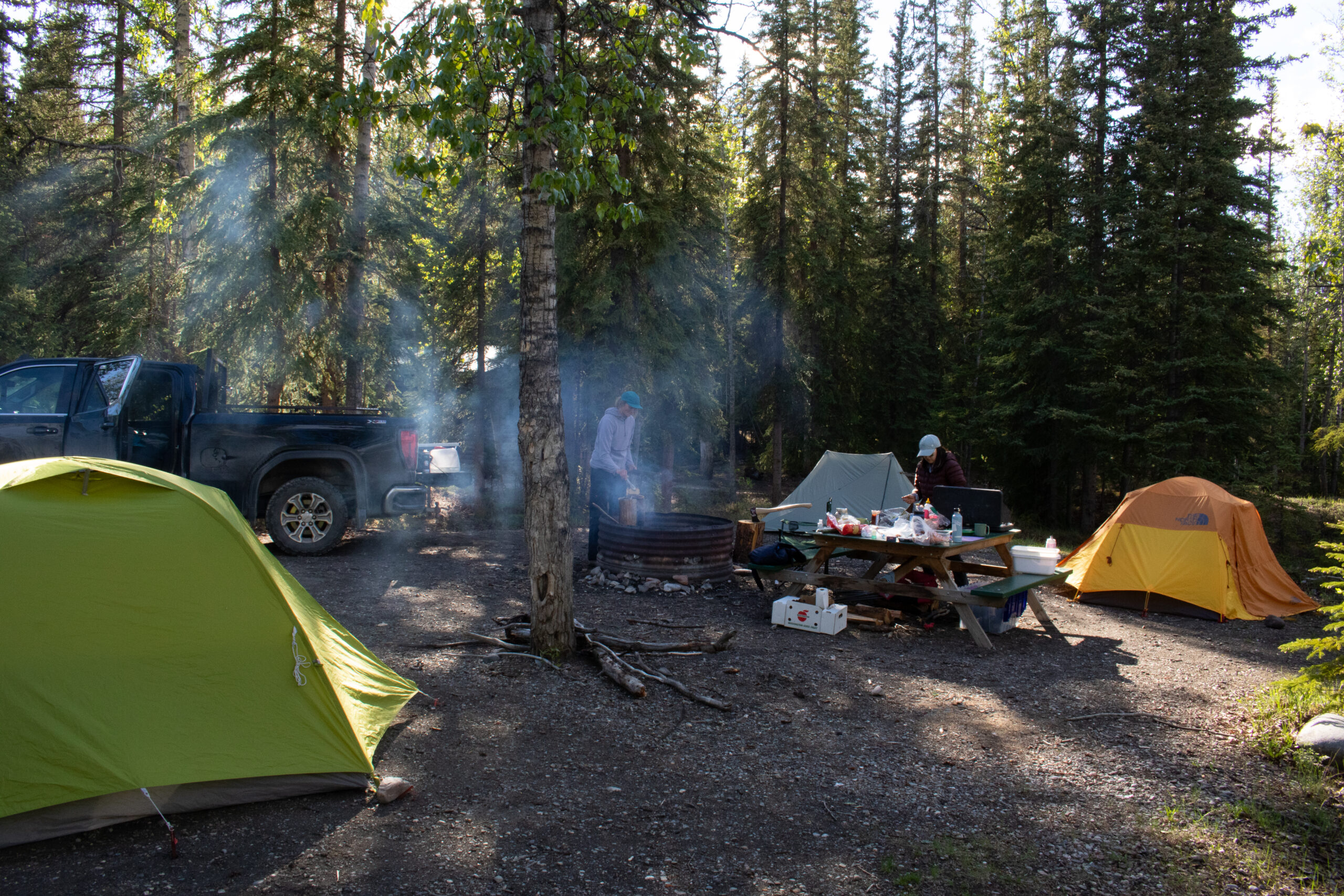
Nearby, around the Lapie Canyon where our CPAWS team is camping, snowshoe hares dart in and out of sight. Lichen and mosses cover the rocks, soils, and creep up some trees.
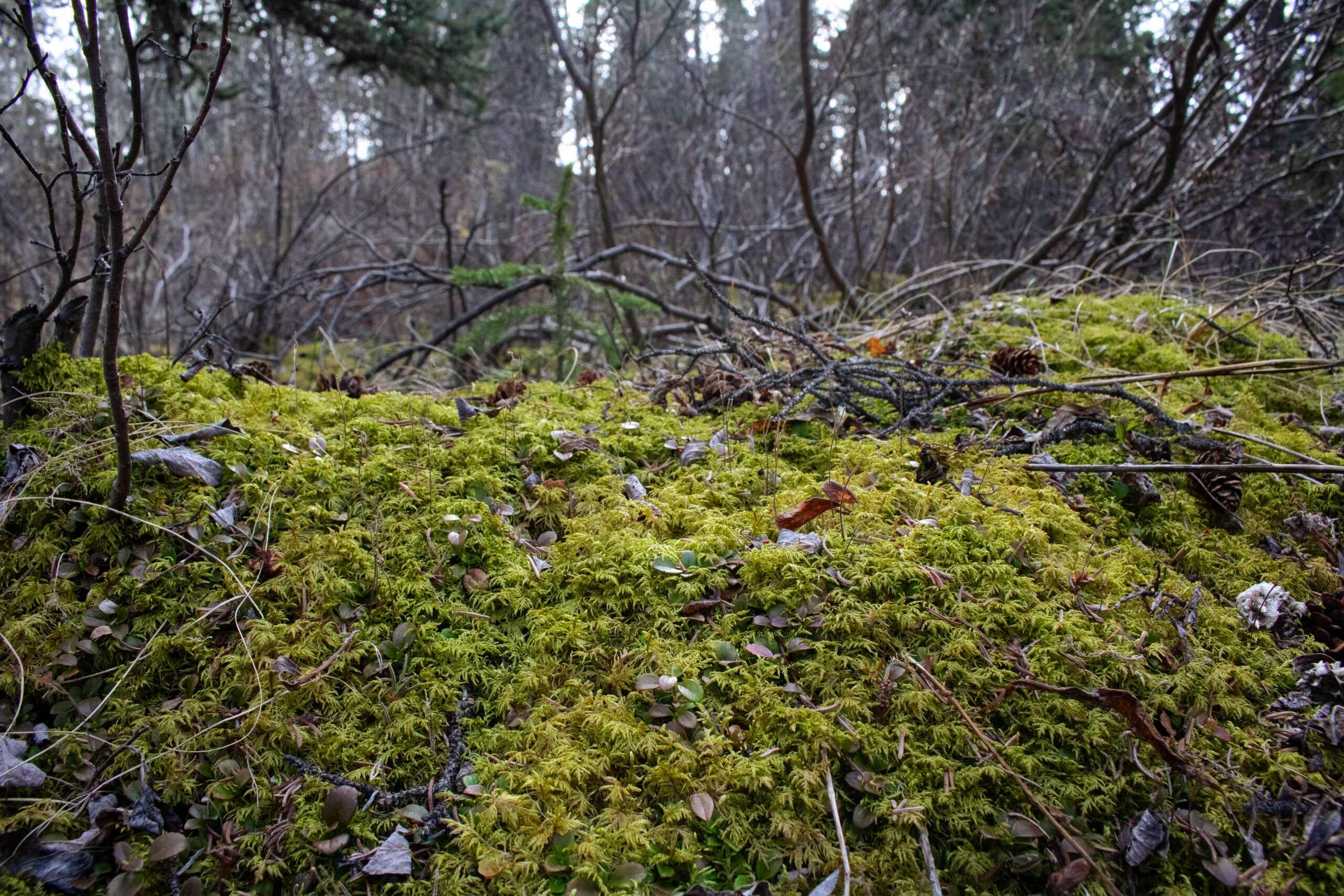
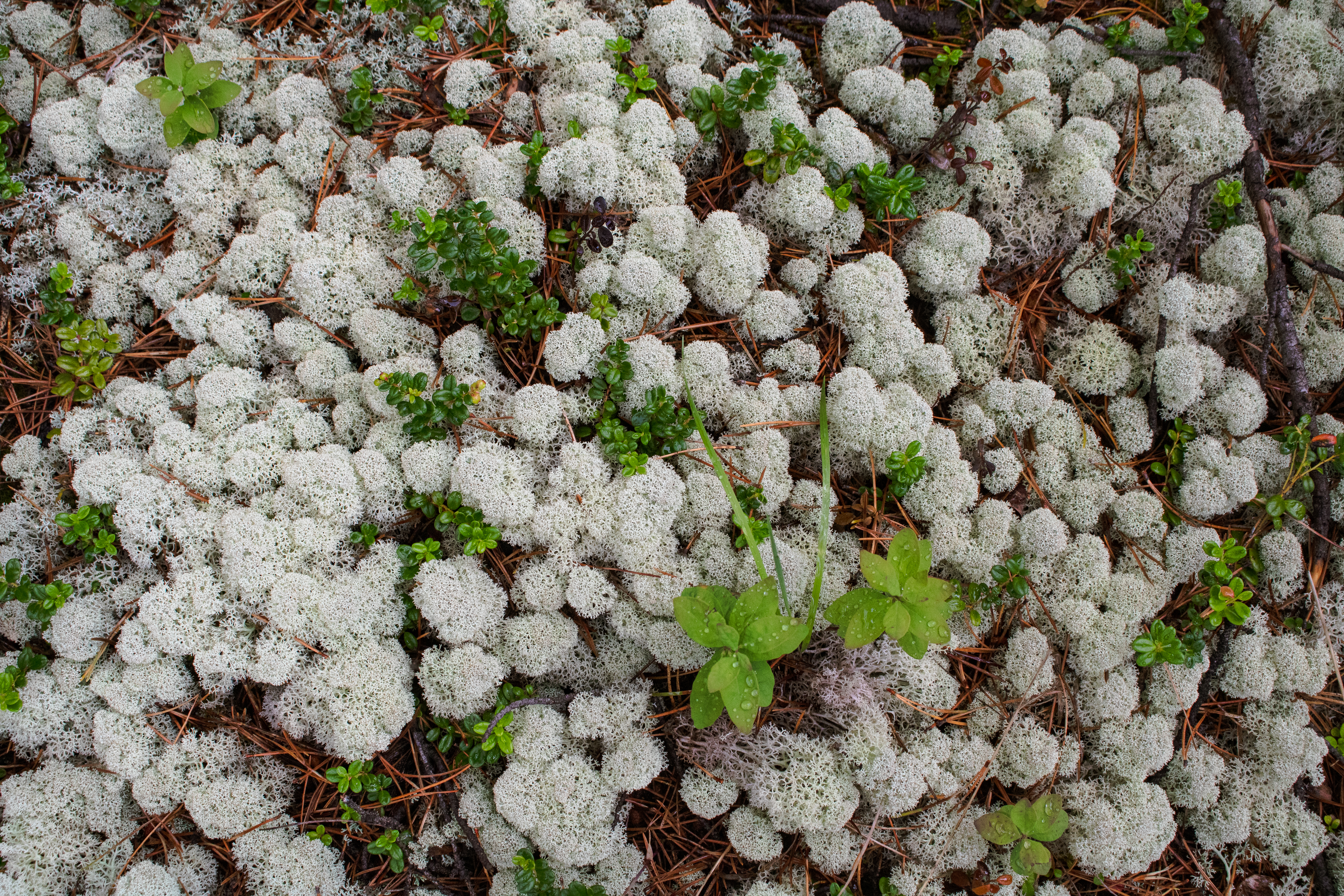
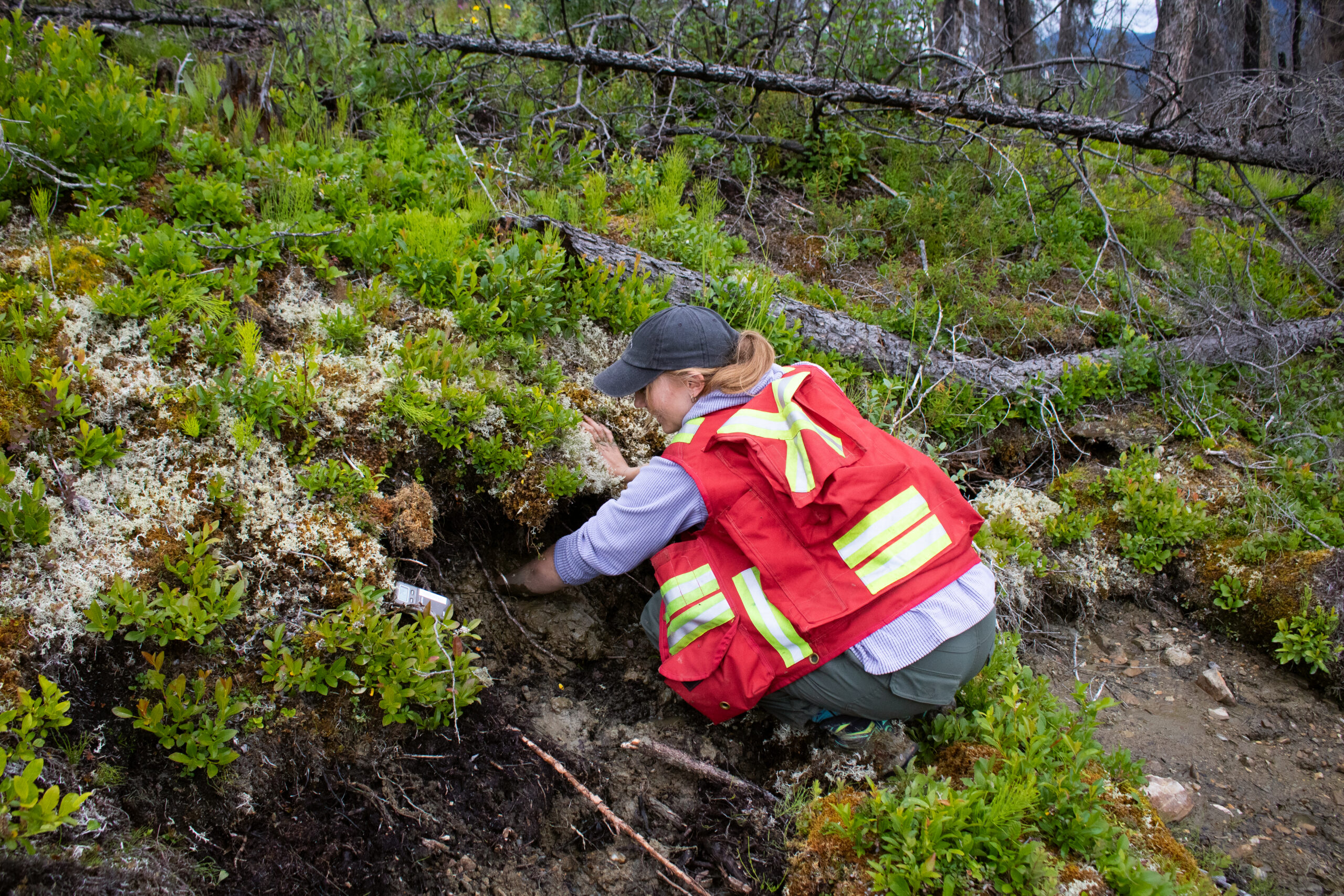
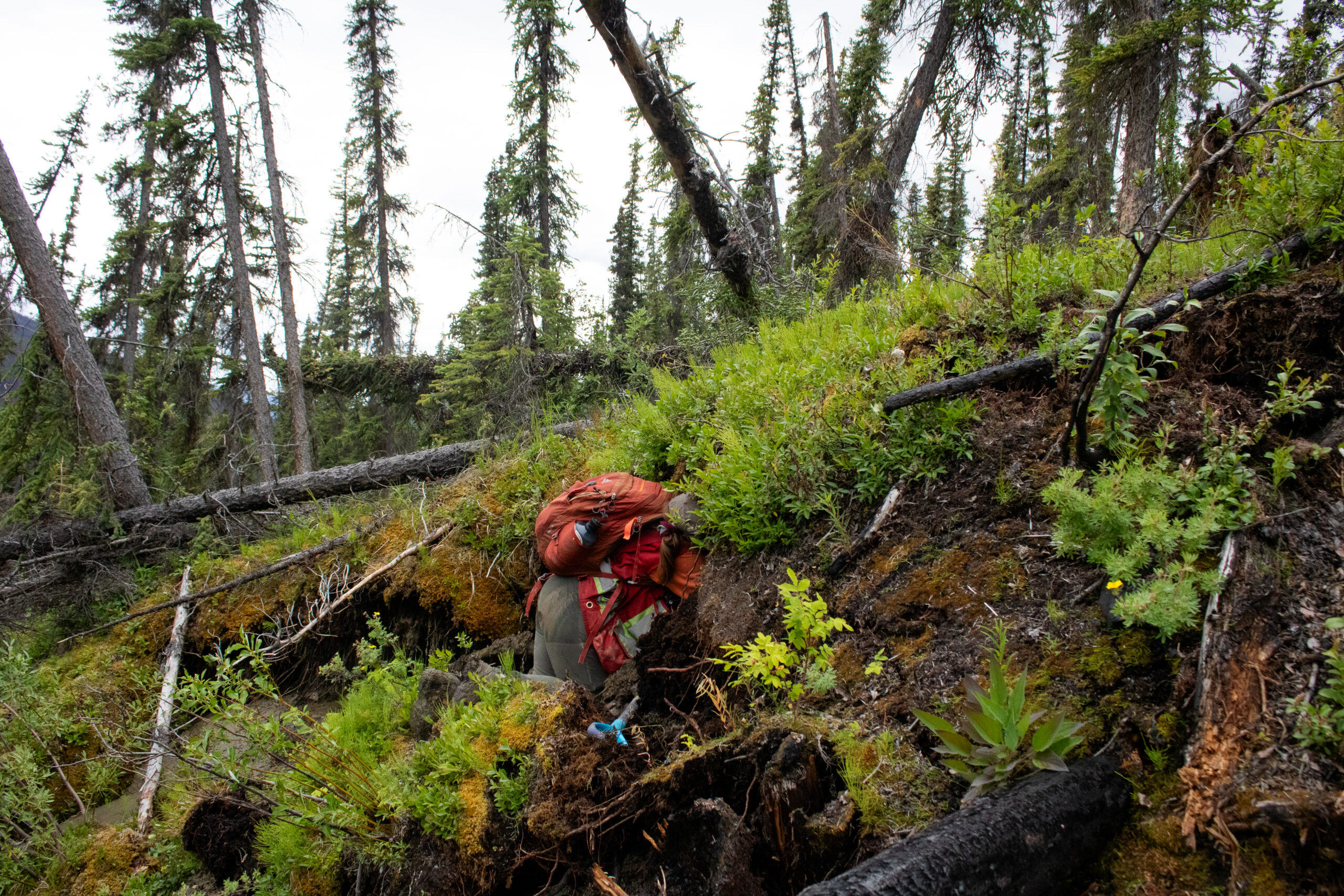
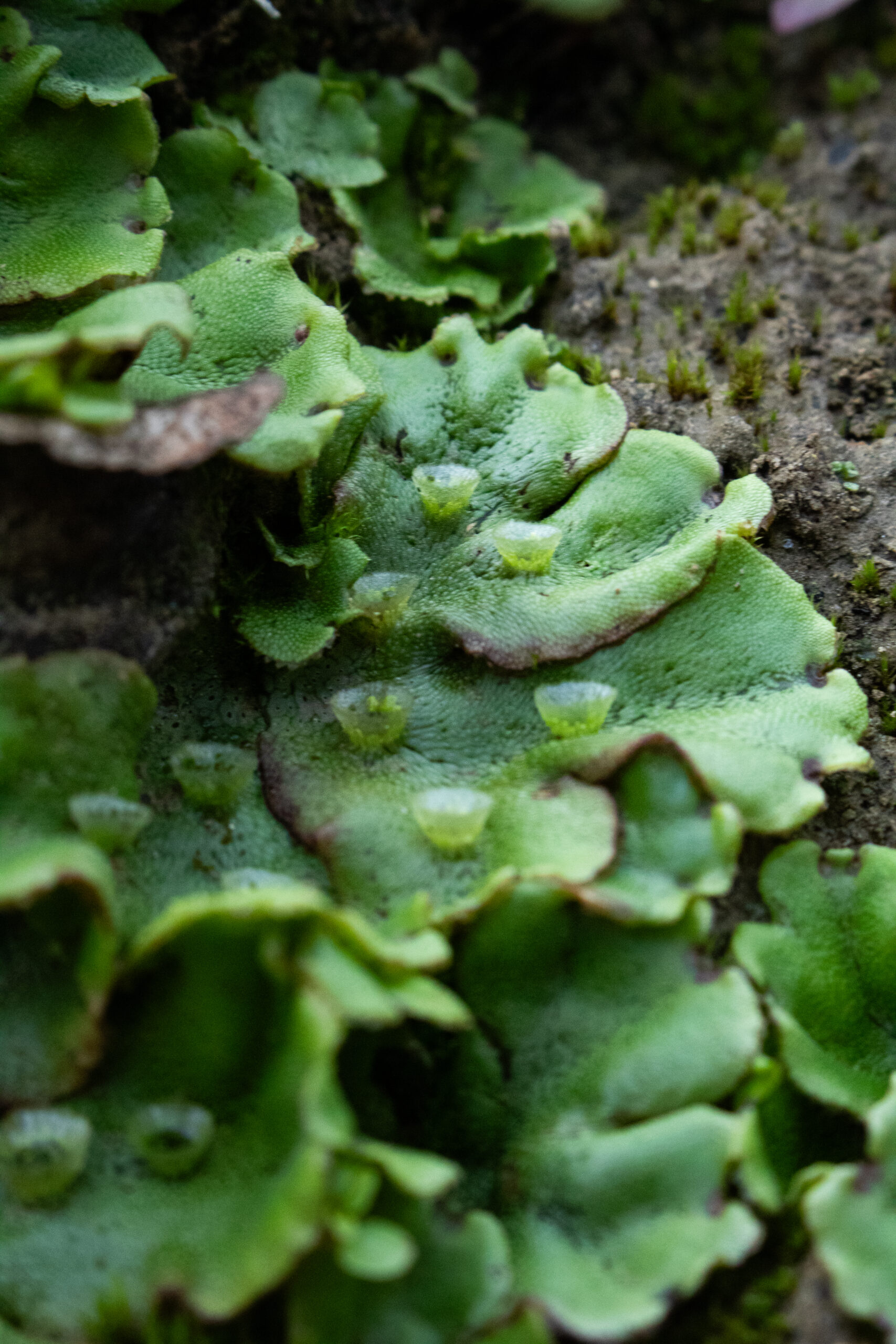
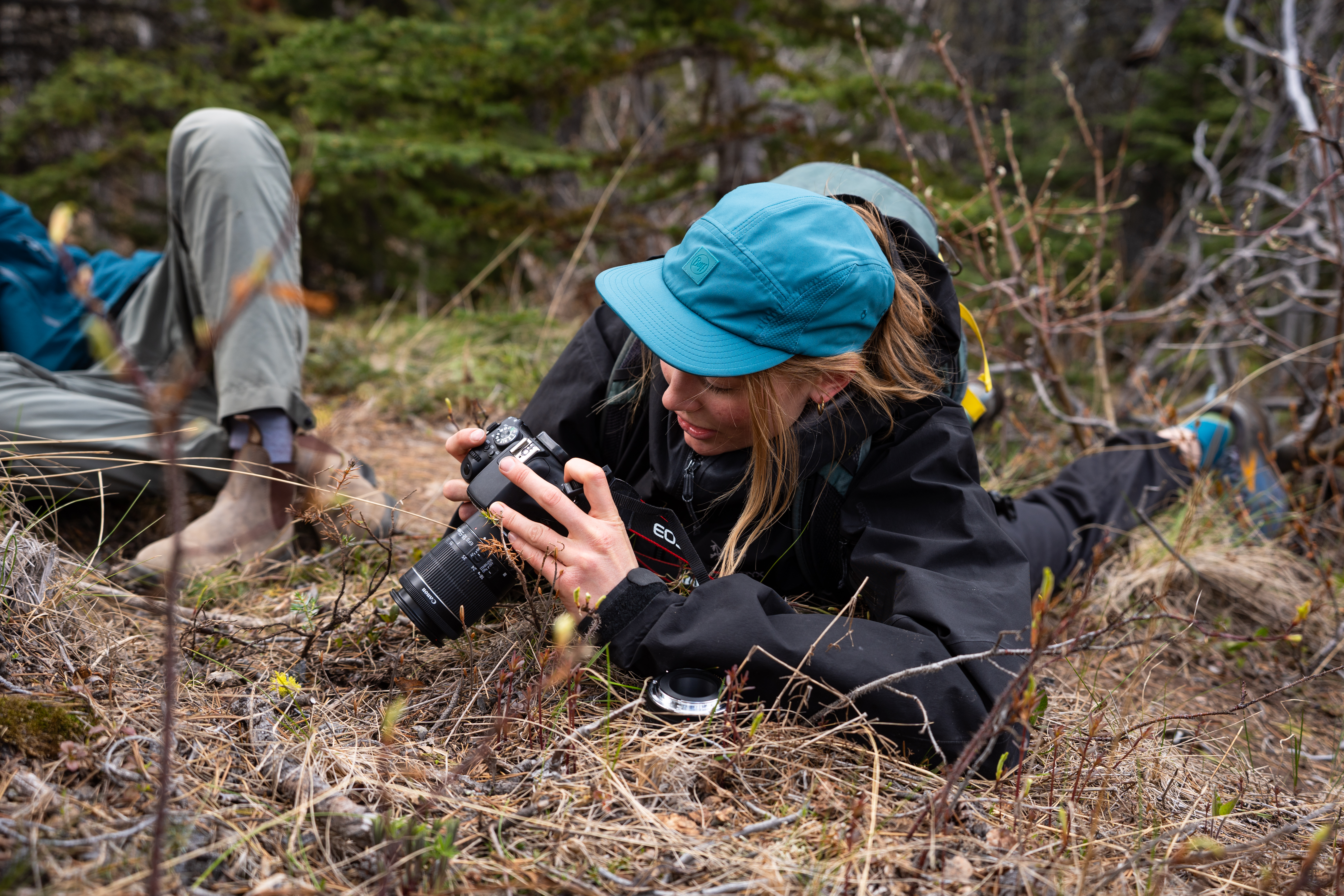
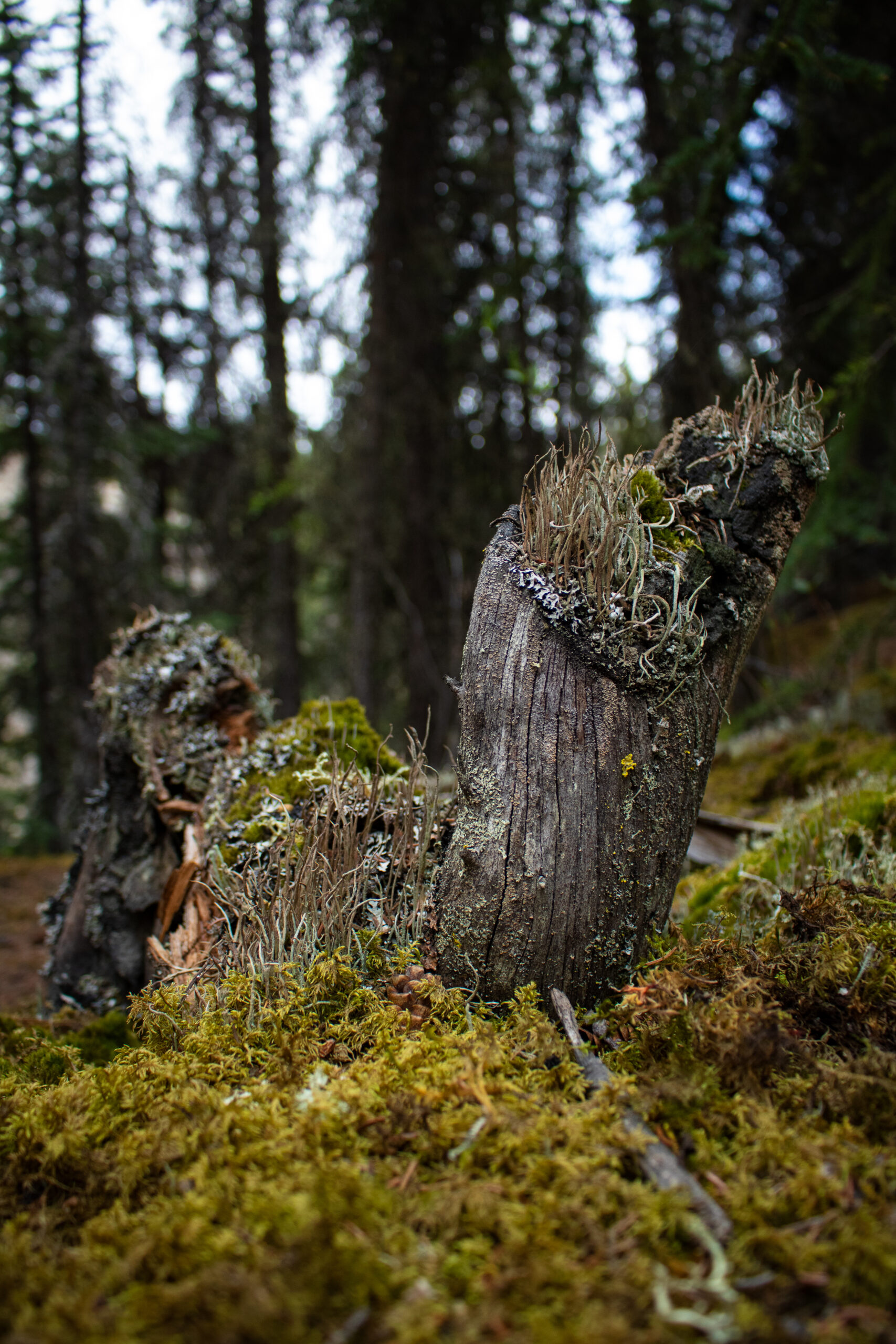
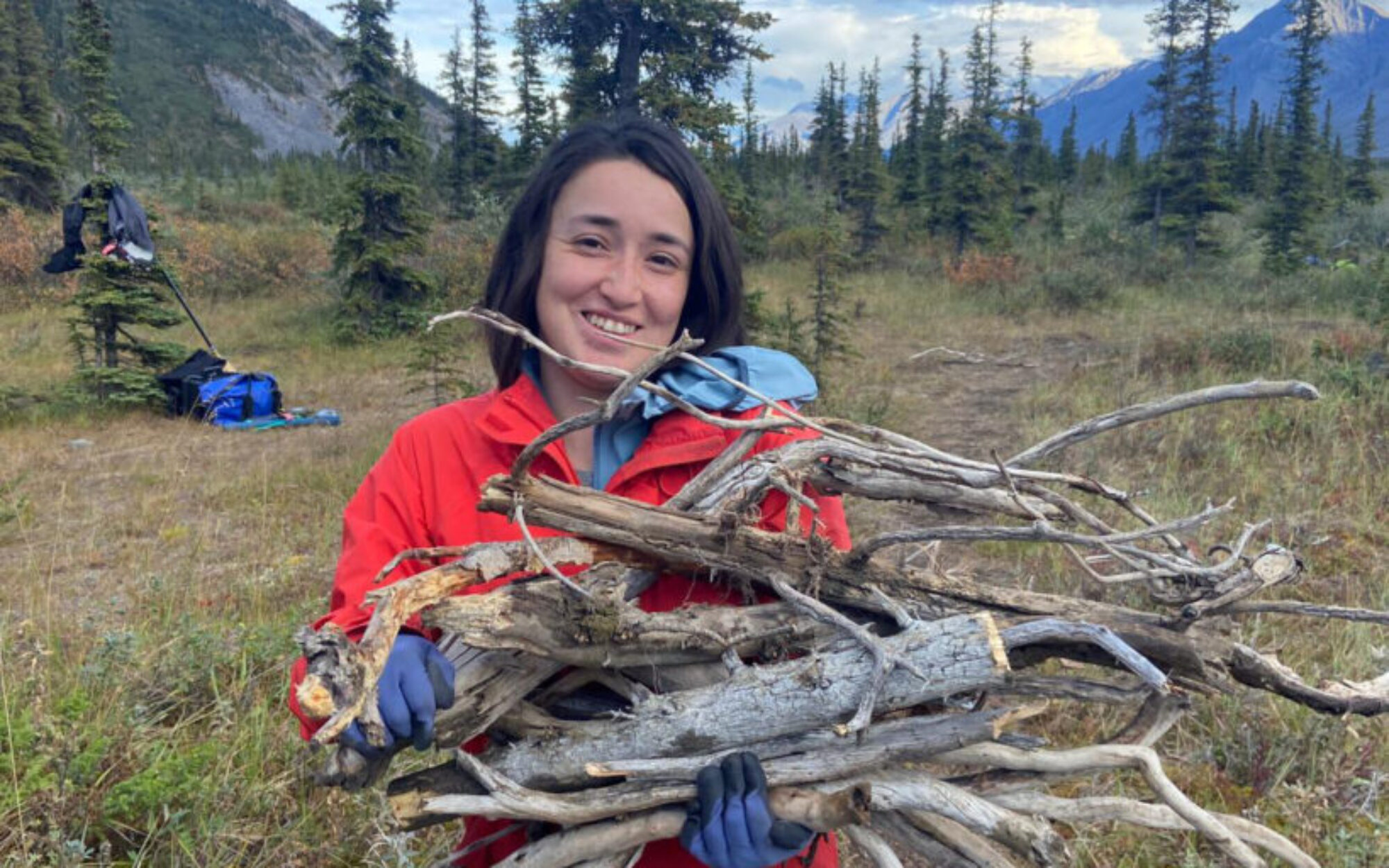
Our Conservation Intern, Hannah, takes photos of nearby lichens and mosses. To help more people connect with these tiny species, she’s creating a field guide this summer. Often this means getting down to their level and using a special camera lens to capture all of their textures and colours.
During the trip, Hannah shares with students more about lichens and their role on the land.
“Lichens are a partnership between a fungus and an algae. The fungus provides the structure, while the algae provides energy through photosynthesis. Without lichen, forests would struggle to survive. They insulate permafrost, help plants grow, store carbon, and provide food for caribou. Lichens grow really slow, with some species only growing 0.1 mm per year!
On a stump near the canyon, Cladonia lichen grows, a fruticose (shrubby) lichen characterized by elongated horn-like stalks that Caribou forage in the winter. Around it, Stairstep Moss (Hylocomium splendens) creates a dense mat that absorbs water, retaining moisture and trapping nutrients to support soil building and erosion control.”
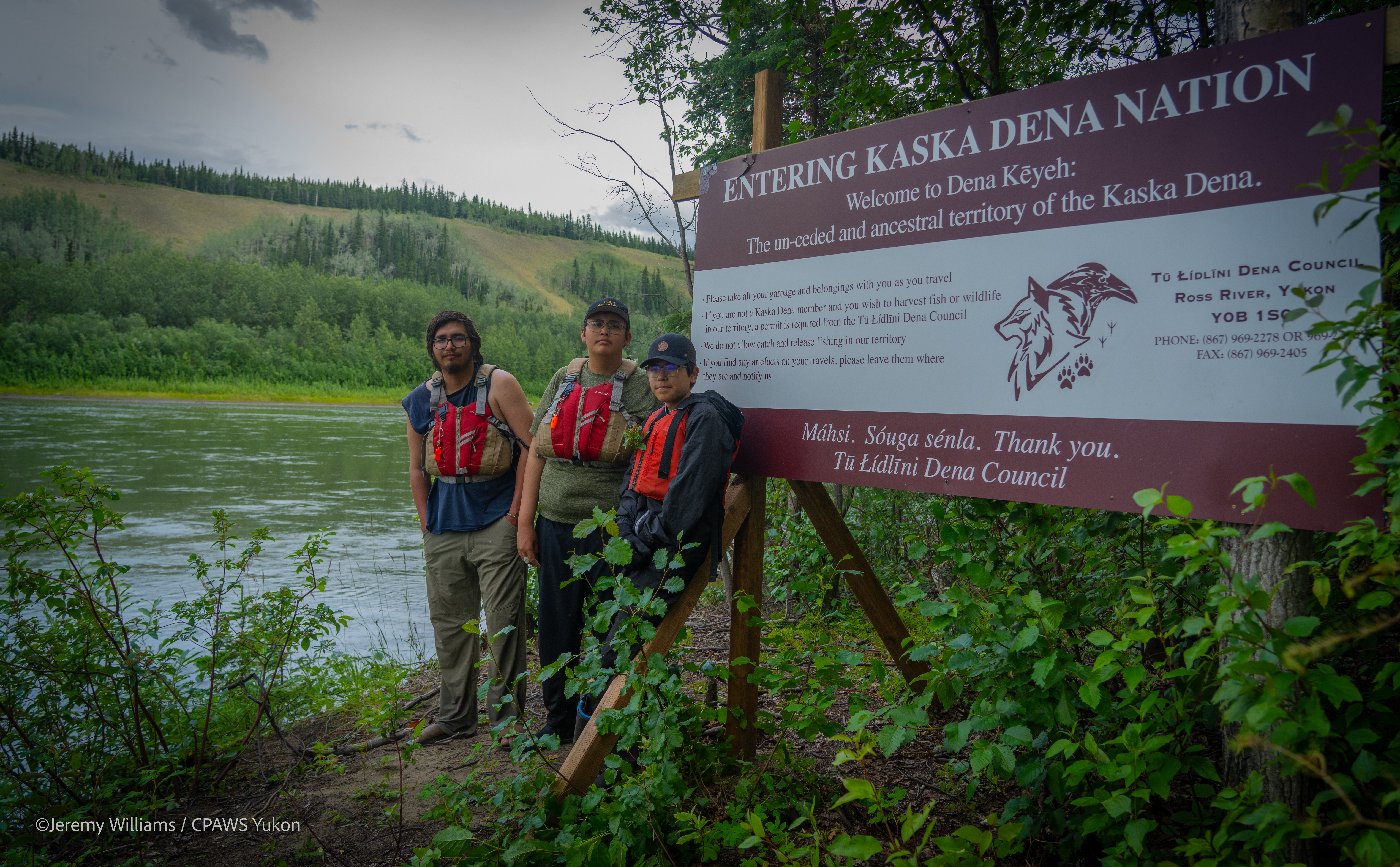
These lands and waters are part of Dene Kēyeh (Kaska Country), where the Tu Łidlini Land Guardians continue on-the-ground monitoring and care.
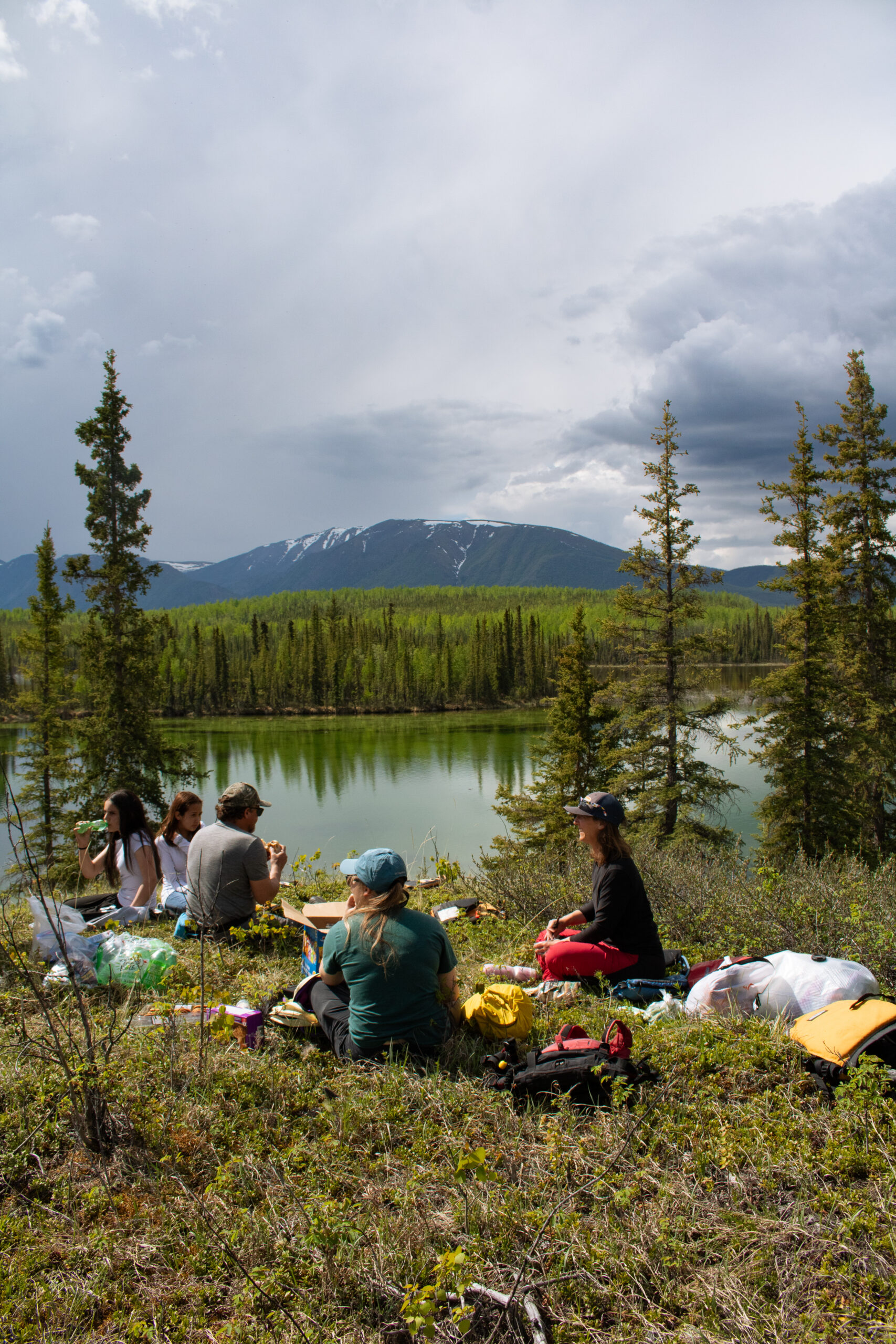
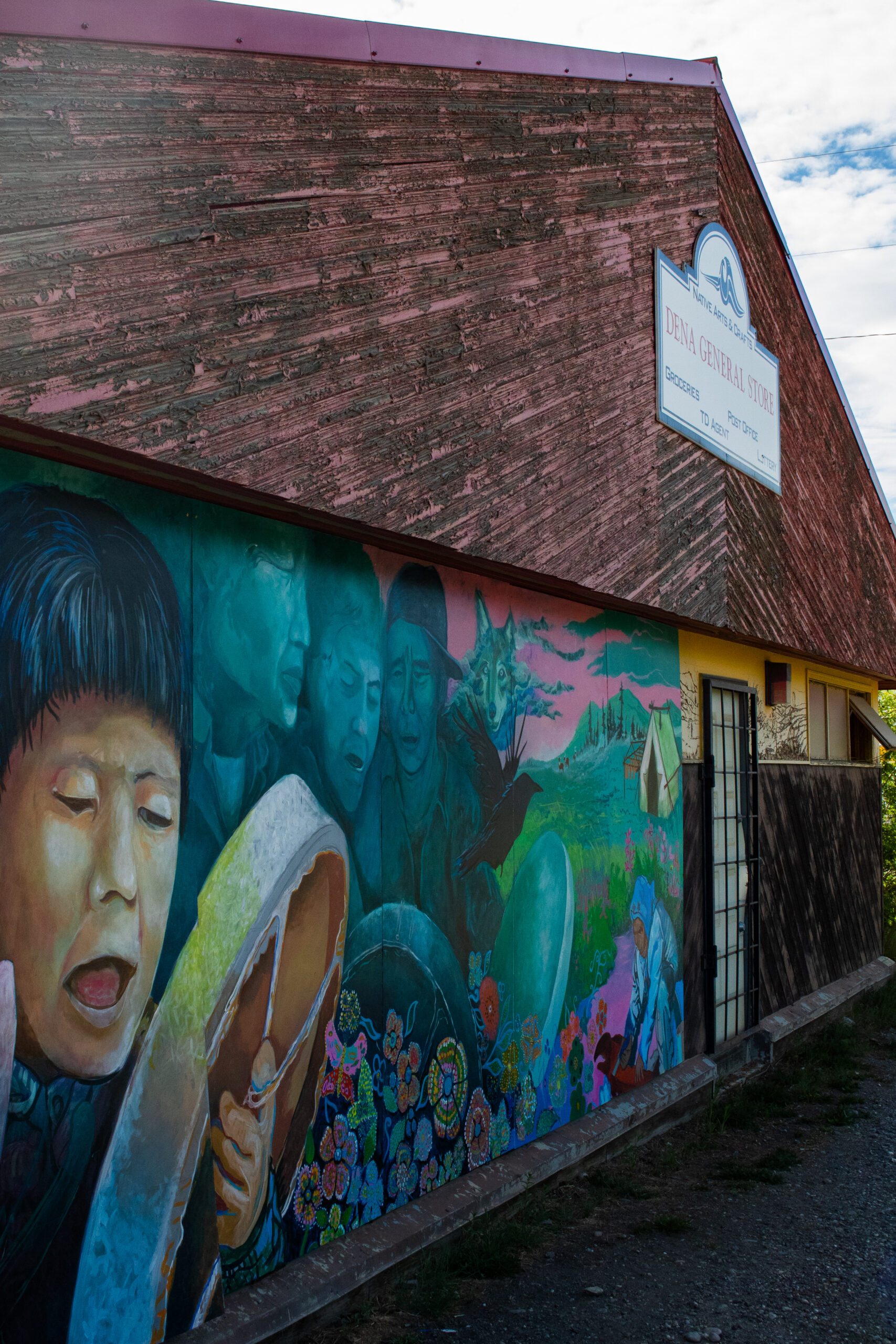
As the days pass, our team joins handgames in town and visits the Dena Cho trailhead where exciting Guardian work will be underway soon. Between paddle strokes, hikes, and stories, we get a glimpse of just how deep the water’s history runs and the abundance that’s supported by Dene Kēyeh.
Youth learning on the water, wildlife thriving, and opportunities to connect are just some of the values RRDC is working to safeguard through their Indigenous Protected and Conserved Area (IPCA). We’re excited to paddle alongside RRDC leadership, supporting their work and sharing more about what makes these lands and waters so important.
June 5, 2026
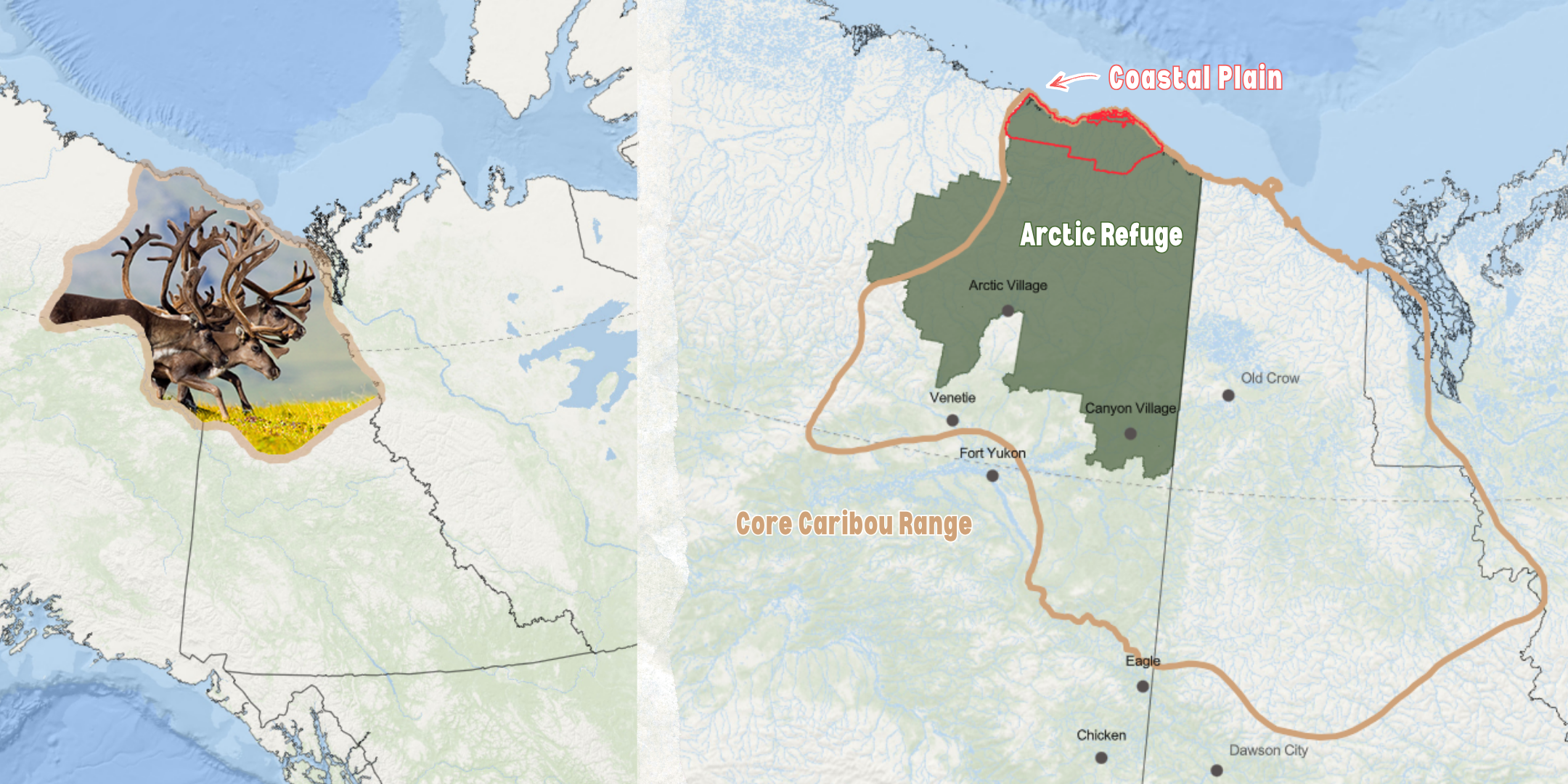
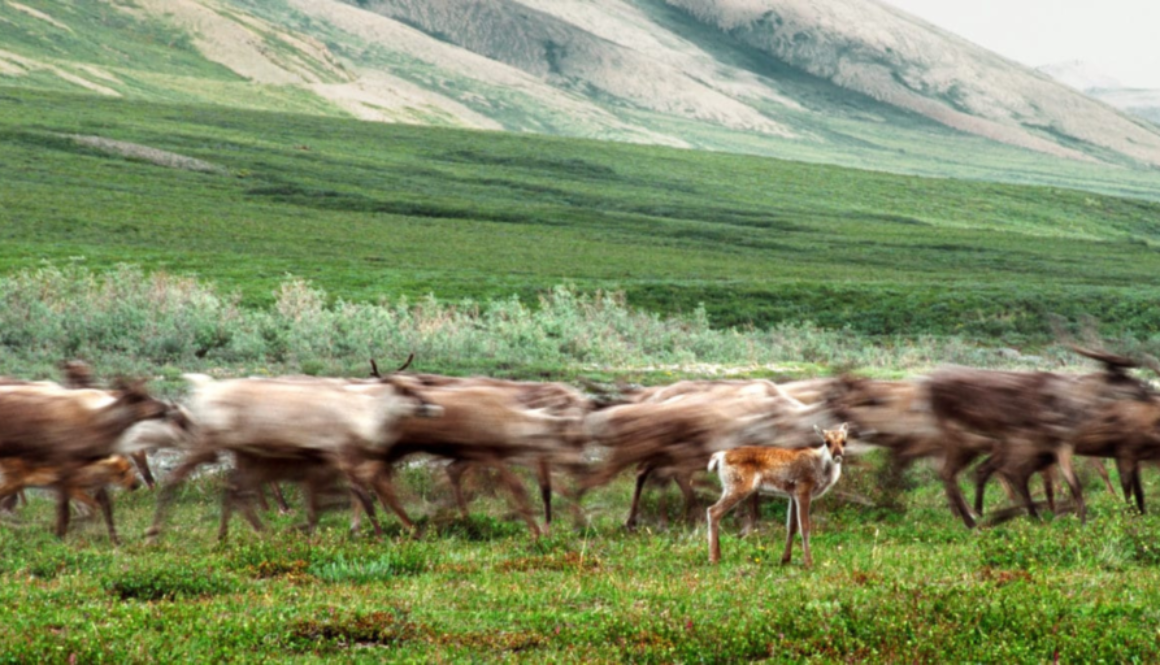
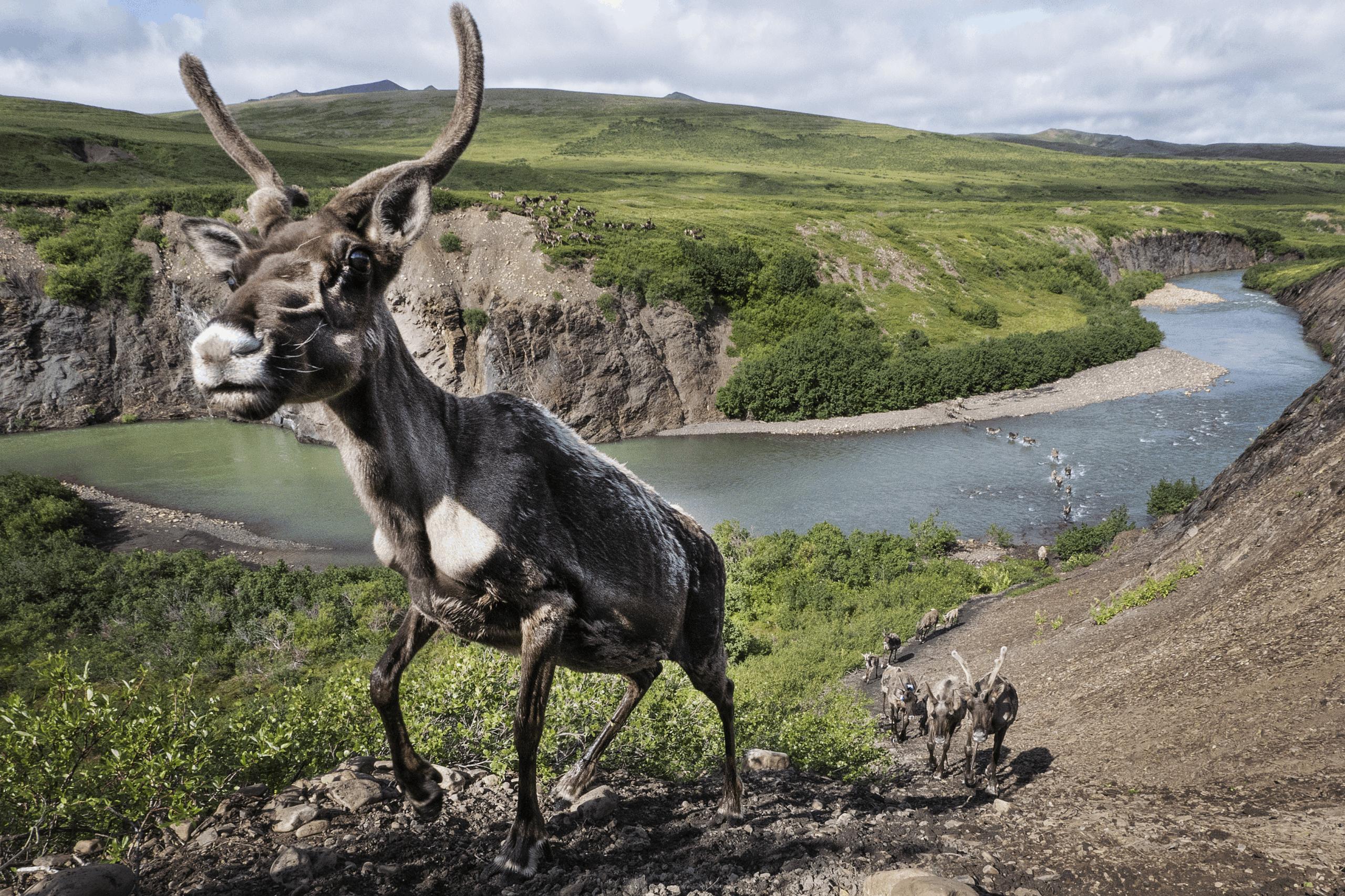
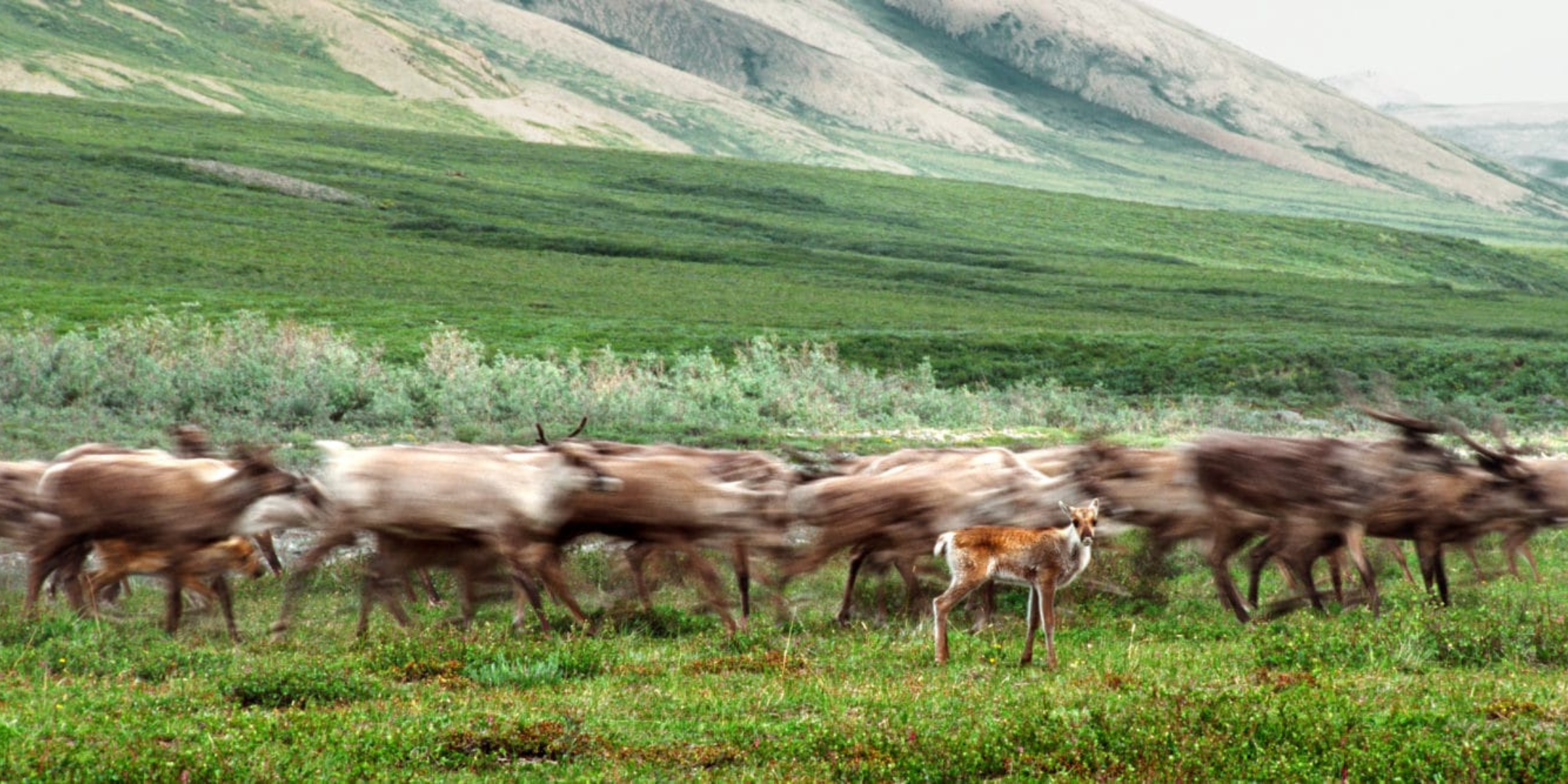
Whitehorse, Yukon – For the third time in a row, the U.S. government-backed oil and gas lease sale in the Arctic Refuge—home to the calving grounds of the Porcupine Caribou Herd—has been an utter flop. The sale, which closed out today shortly before 11 AKDT (12 PT), received only a paltry nine offers from two bidders, who vied for only five of 58 parcels of land among the 700,000 acres of pristine, environmentally invaluable land offered on offer within the Coastal Plains of the Refuge. Today’s sale raised only USD$ 3.7 million—a dismal 0.2 percent of the USD $1.8 billion the Administration has previously projected the leasing program would generate.
This embarrassingly low turn-out marks the third such fiscally unsuccessful attempt by the Trump Administration, which has been pursuing an oil and gas leasing program in the Arctic Refuge in open defiance of the rights and will of the Gwich’in people, the concerns of environmentalists, and the expertise of scientists, Traditional Knowledge Holders, and economists since 2017.
CPAWS Yukon is deeply disappointed to see this lease sale proceed, as it was conducted against the express wishes of the Gwich’in, Canadians, and environmentalists around the world. The decision of the U.S. government to proceed with this lease sale represents a direct attack on the health and well-being of the Arctic Refuge, the Porcupine Caribou Herd, the sovereignty and culture of the Gwich’in people, and openly disrespects Canadians as a whole, being in violation of U.S. diplomatic and treaty obligations to Canada.
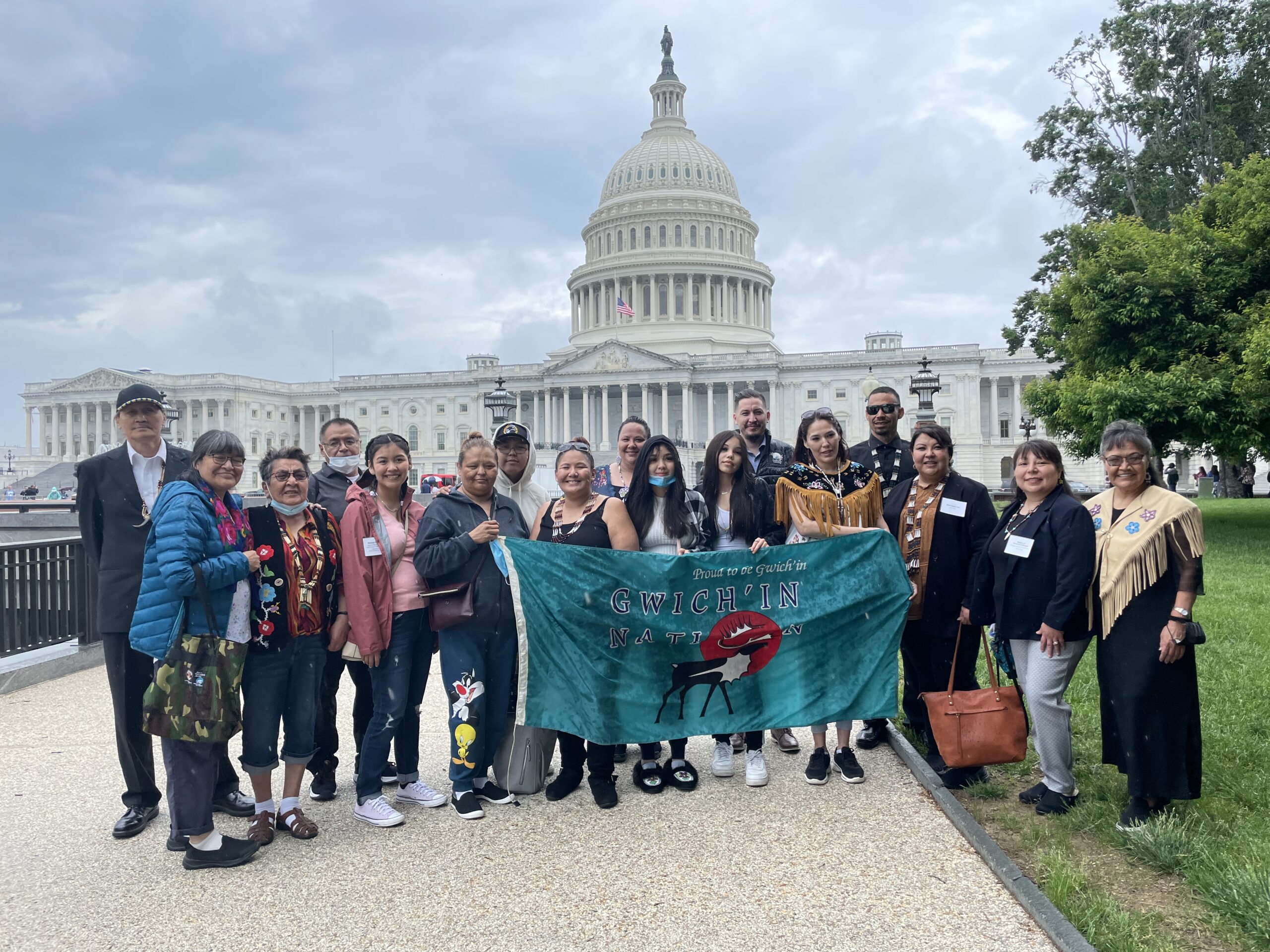
Incensed by these injustices, Yukoners have submitted a petition to the Government of Canada to take all necessary steps to support the Gwich’in in protecting the sacred calving grounds of the Porcupine Caribou Herd and to uphold Canada’s commitments under international and Canadian law, as well as the will of the Yukon people. This petition is slated to be presented on Parliament Hill by the Honourable Dr. Brendan Hanley, Member of Parliament for the Yukon and Parliamentary Secretary to the Minister of Northern and Arctic Affairs.
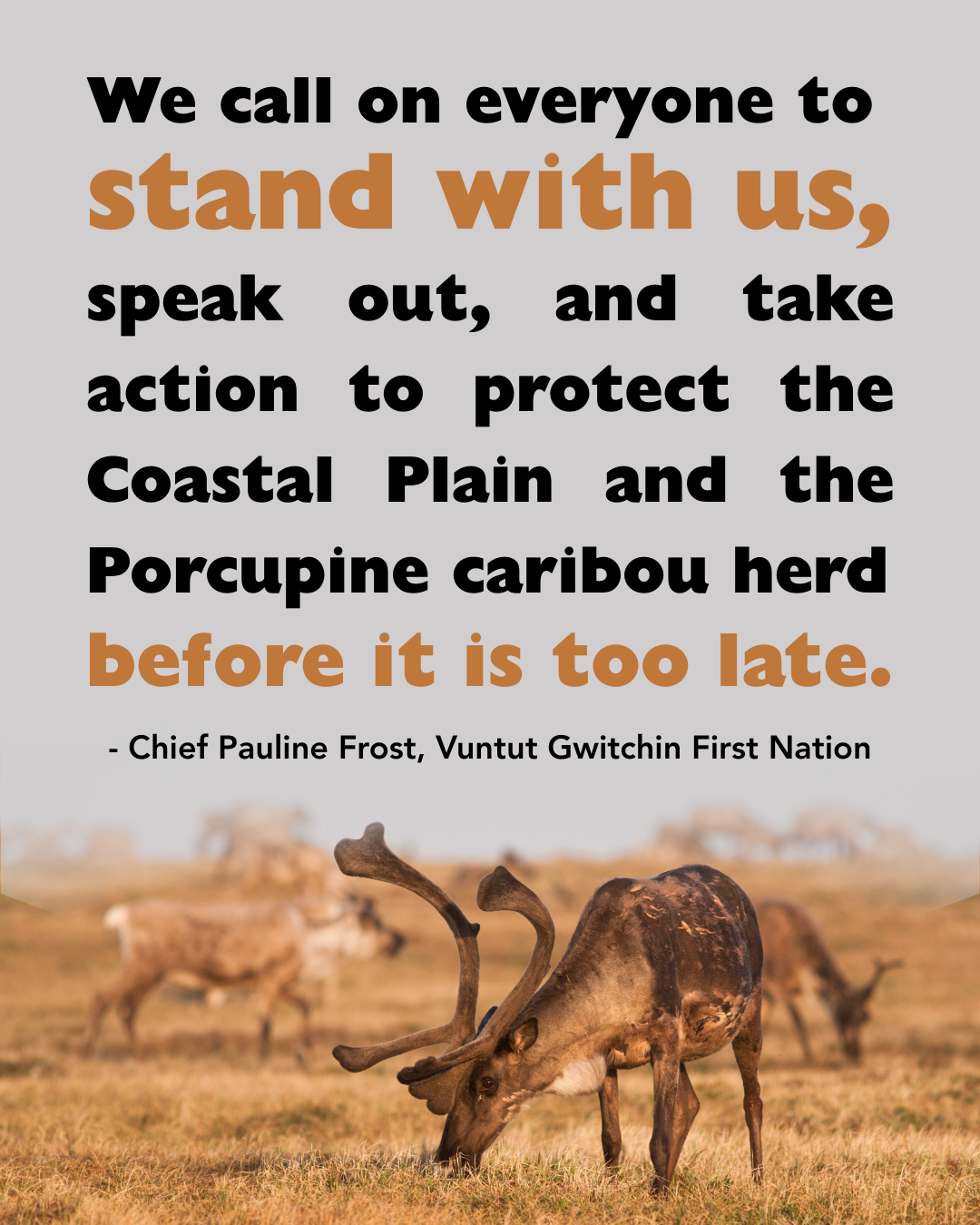
While CPAWS Yukon is pleased to see the Trump Administration’s misguided plan to sell off the Coastal Plains once again fall flat on its face, we are worried for the future of the Arctic Refuge and the Porcupine Caribou Herd. We stand alongside the Gwich’in in asserting that the only acceptable development in the Arctic Refuge is no development. We will continue to work alongside Vuntut Gwitchin First Nation, the Gwich’in Steering Committee, and our international environmentalist allies at the Arctic Defense Campaign (ADC) to defend this special place.
“Given this frankly pathetic response from industry—which seems to clearly recognize drilling in the Arctic Refuge is simply bad business—we at CPAWS Yukon are beginning to wonder when the Trump Administration will give up on its disastrously unpopular, environmentally irresponsible, and economically unsound plan to sell off this ecologically sensitive, culturally irreplicable place in the name of greed, power, and self-interest.”
–Laurence Fox, Conservation Coordinator, CPAWS Yukon
Contact
Laurence Fox, Conservation Coordinator, CPAWS Yukon
lfox@cpawsyukon.org | 867-393-8080 x3
Written by Paula Gomez Villalba | April 27, 2026
Do you have a good idea of what CPAWS Yukon is all about? We’re not an animal rescue, despite what the “paws” in our name might suggest. CPAWS Yukon is a non-profit environmental organization that promotes conservation across the territory. Together with our partners and supporters, we stand up for the Yukon’s land, water, and wildlife.
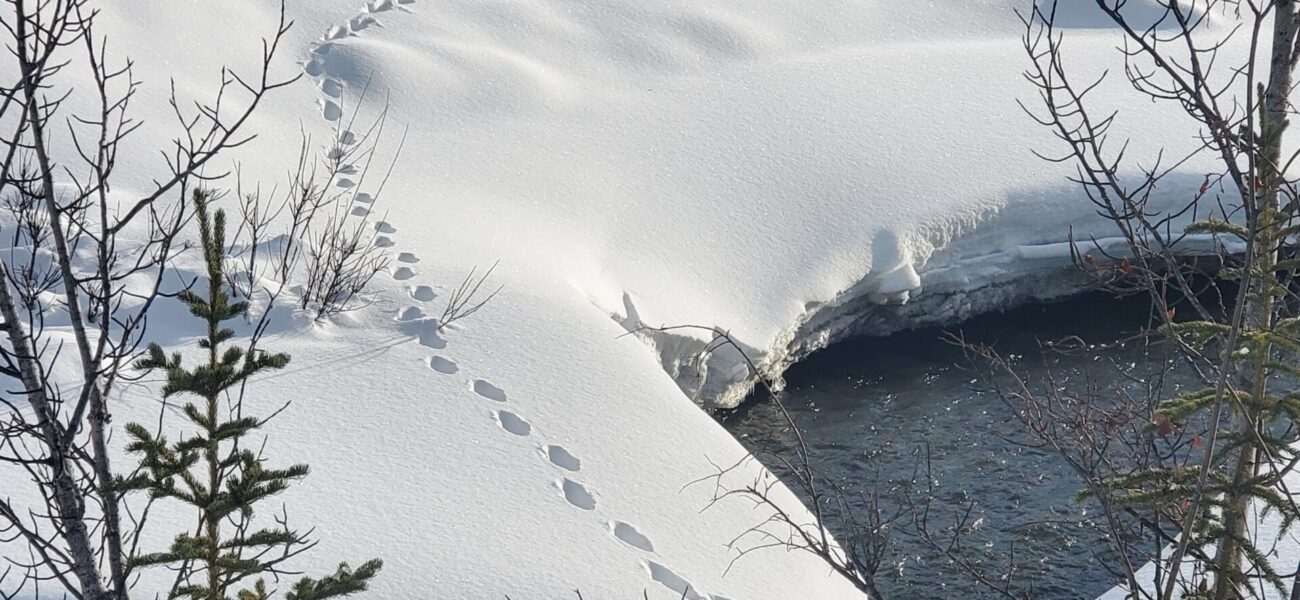
Sometimes our work really does involve paws, like these lynx paw prints during wildlife surveys in Chasàn Chùa (McIntyre Creek) as part of our Coexistence and Caution study a few years ago.
For us, conservation is about protecting and caring for wild spaces (land, water, plants, animals, soil, minerals, and their interactions) so that they persist for current and future generations. It’s not about “untouched” or “pristine” landscapes, as these places are homelands for Indigenous peoples.
There are many tools and perspectives available for safeguarding wild spaces and their connected ecological and cultural values. We work with First Nations, Governments, organizations, and Yukoners to translate community values and ideas into meaningful actions and policy changes.
So what does this look like?
First Nations are already working hard to protect their lands and waters, and we want to help move this meaningful work forward. Our path to Reconciliation involves listening, respecting each Nation’s rights, and recognizing their agency as key decision-makers and stewards of their traditional territories. We support First Nations’ goals in government processes, amplify Indigenous-led initiatives, and push for processes that honour the Umbrella Final Agreement.
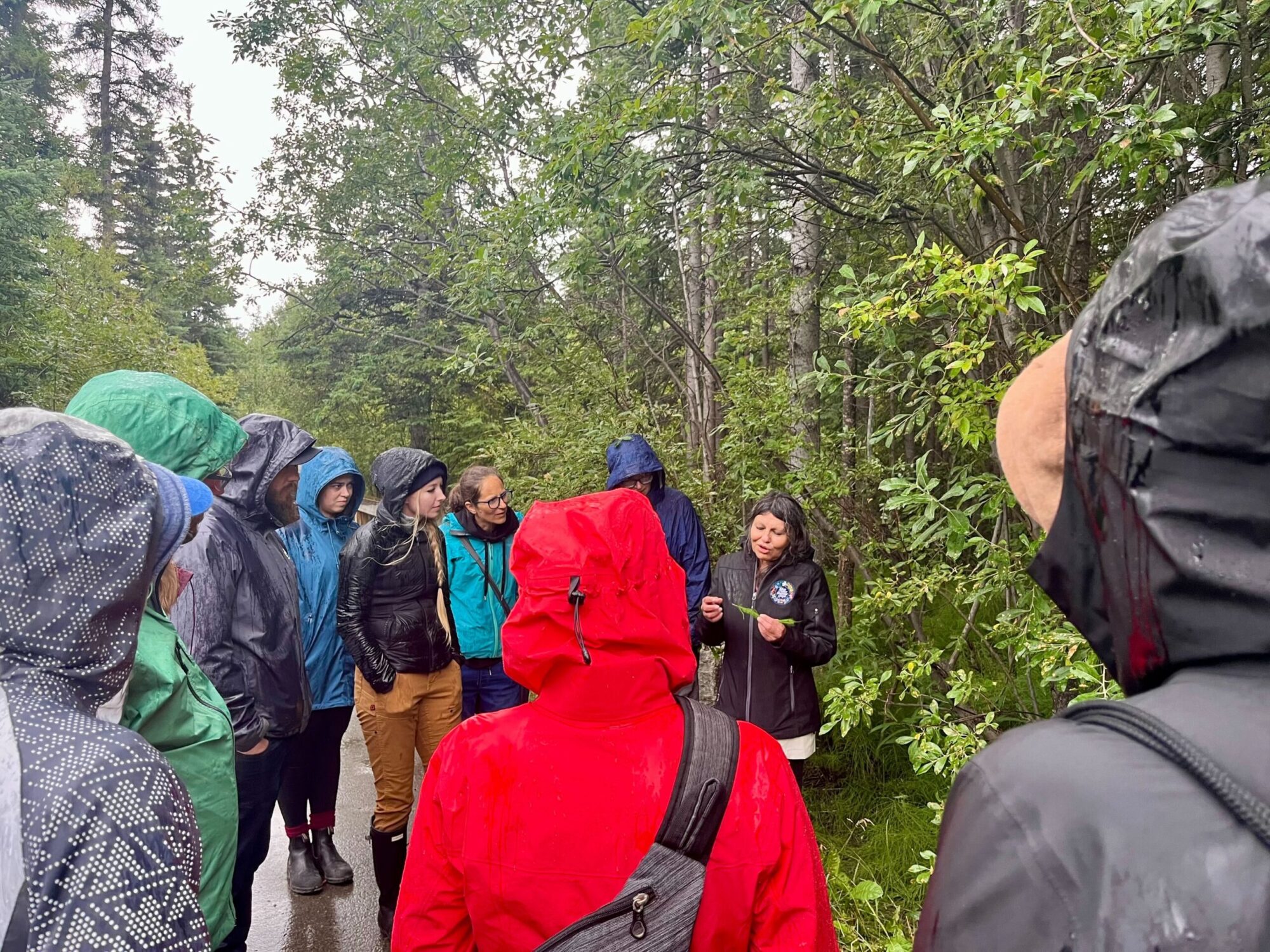
By bringing together Western science, Traditional Knowledge, and local perspectives, we help build a stronger foundation for conservation and decision-making. This collaborative work includes research, community-led learning, and sharing information through accessible tools and platforms.
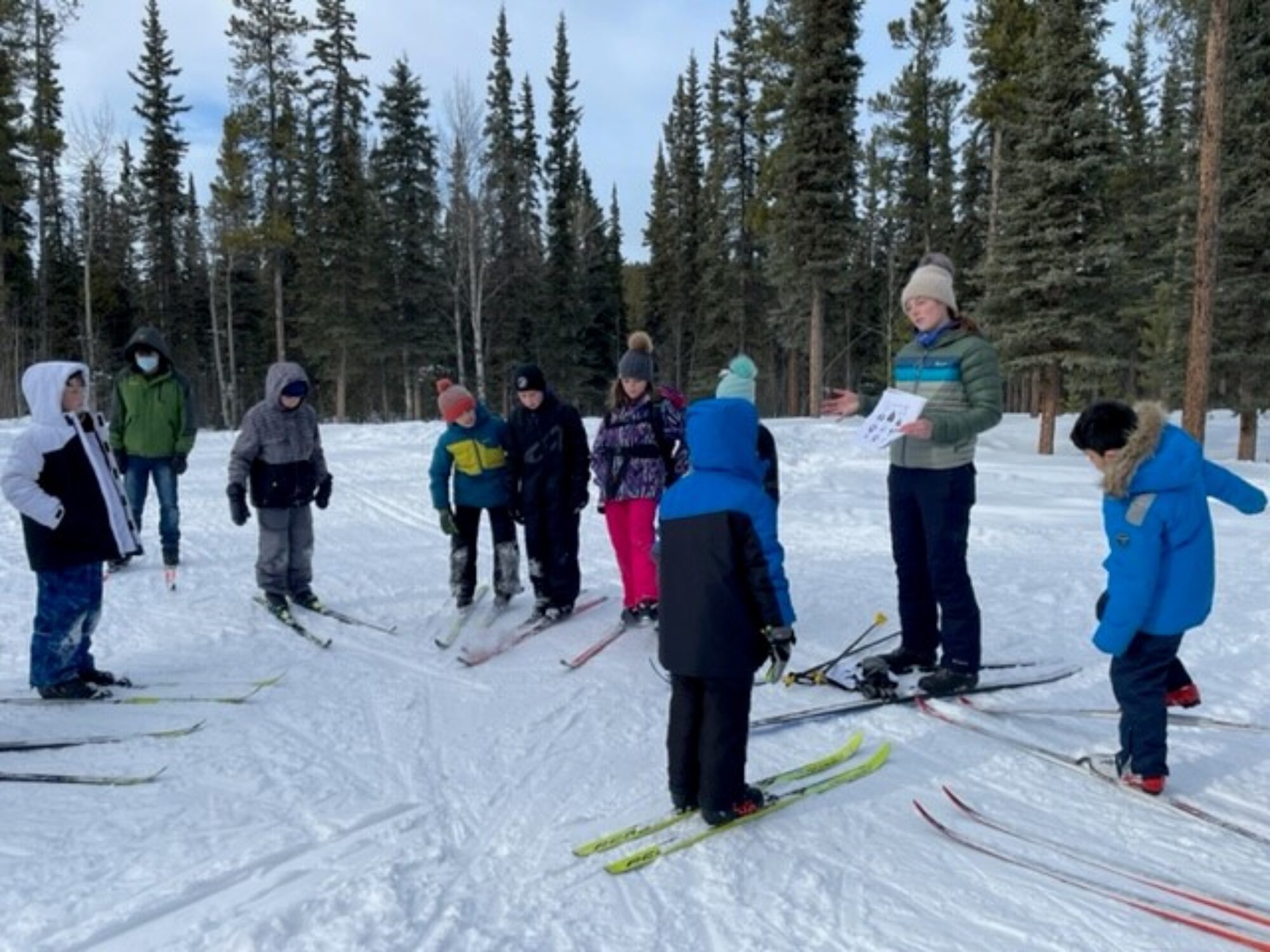
CPAWS Yukon has organized, or helped organize and guide, on the land trips into different areas for decades. Citizens of all ages from those areas join, and sometimes others like artists, journalists, guardians, and Yukon First Nations staff as well. The trips vary in length and remoteness, from a day out on the land to full multi-week paddling journeys.
Getting youth out on these trips is a high priority for us. Not only do they give youth life-changing skills and experiences, but also the agency and confidence to speak up for their traditional territories.
Often trips live on as films that bring communities together, connect people to place, and share stories of the land and First Nations stewardship.
We create tools and break complicated processes down so Yukoners can voice their values. Our hope is to help people feel empowered to actively engage in conservation by participating in public consultations and connecting to nature across the territory, whether physically or through stories.
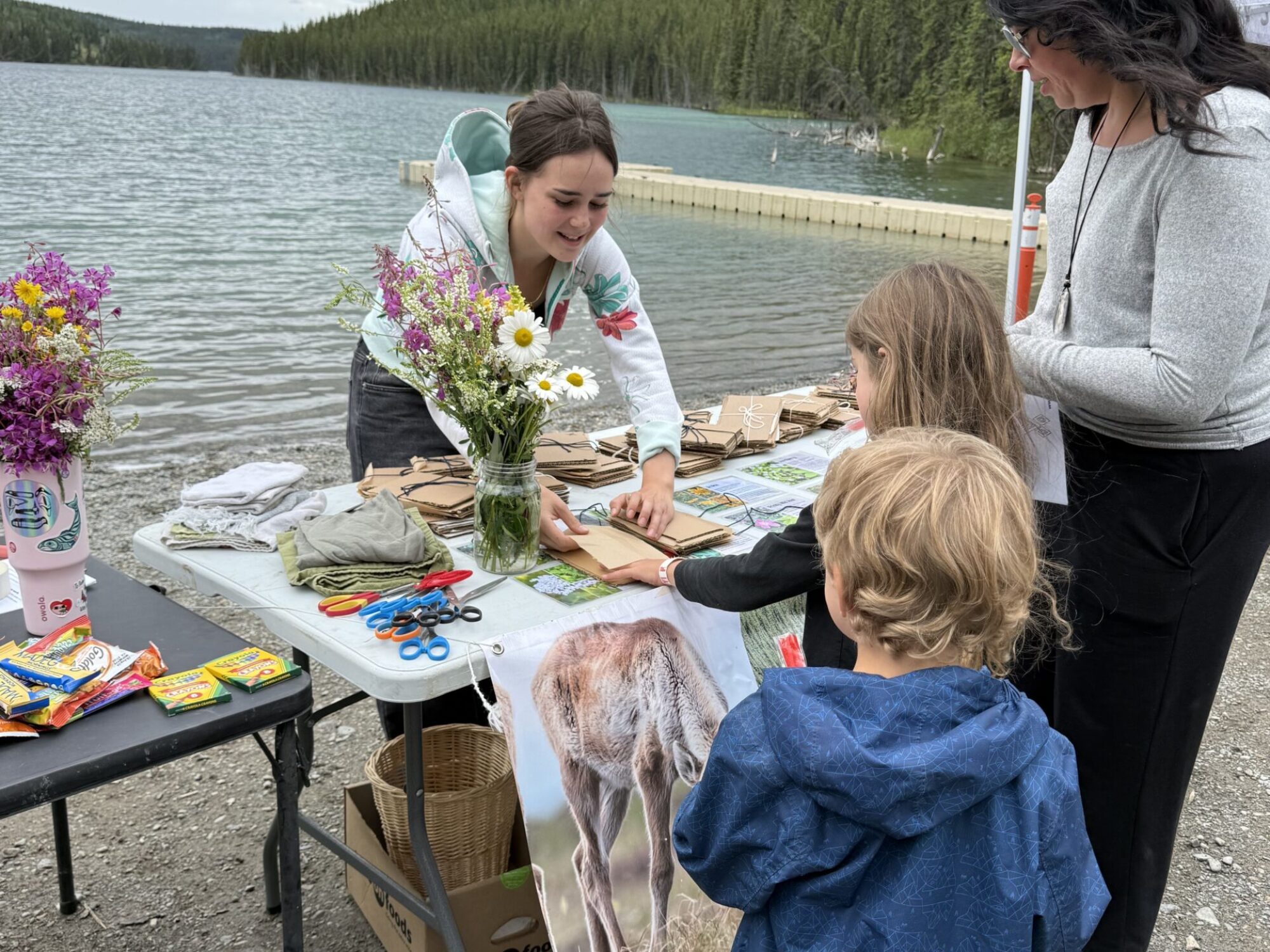
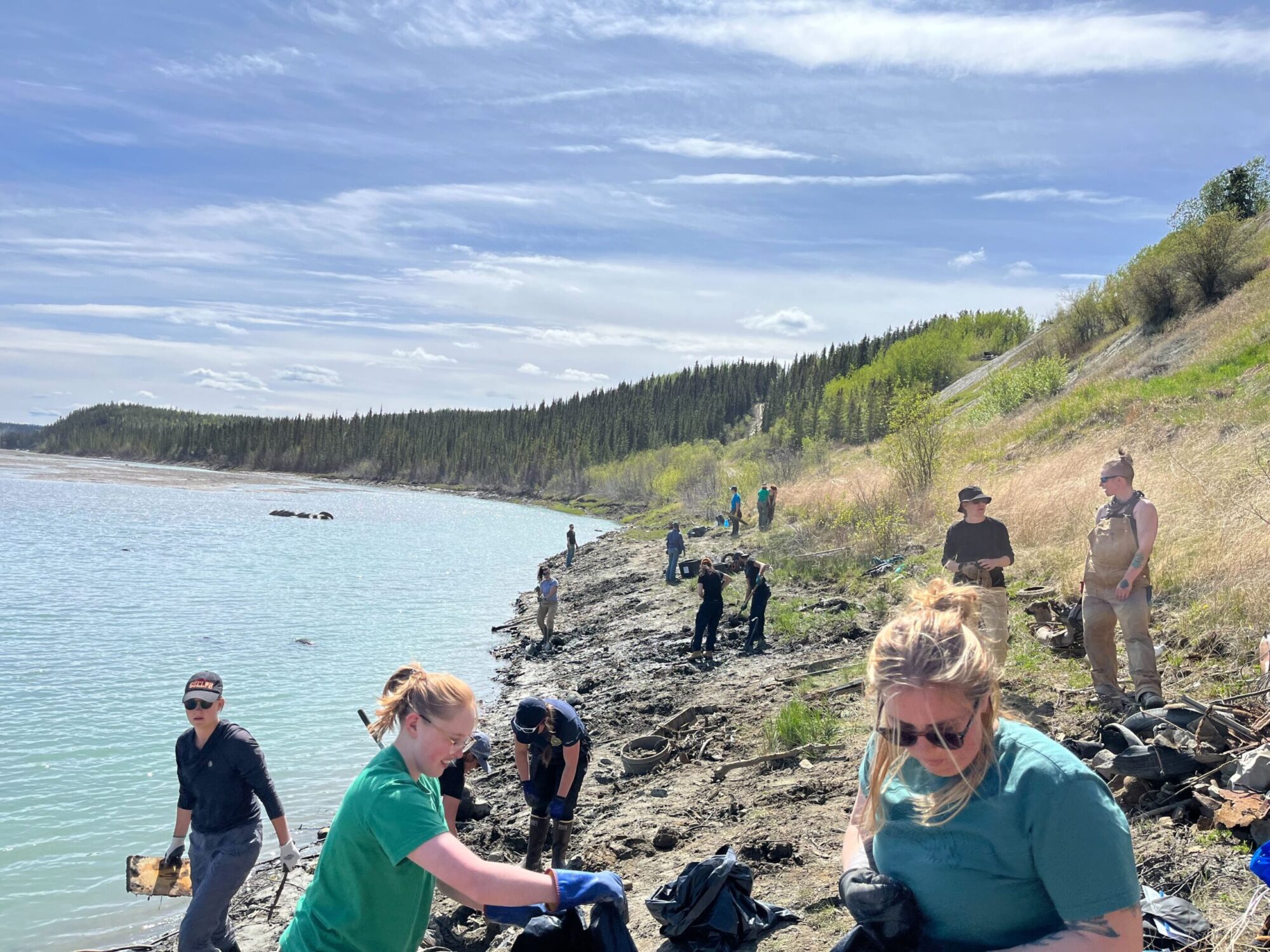
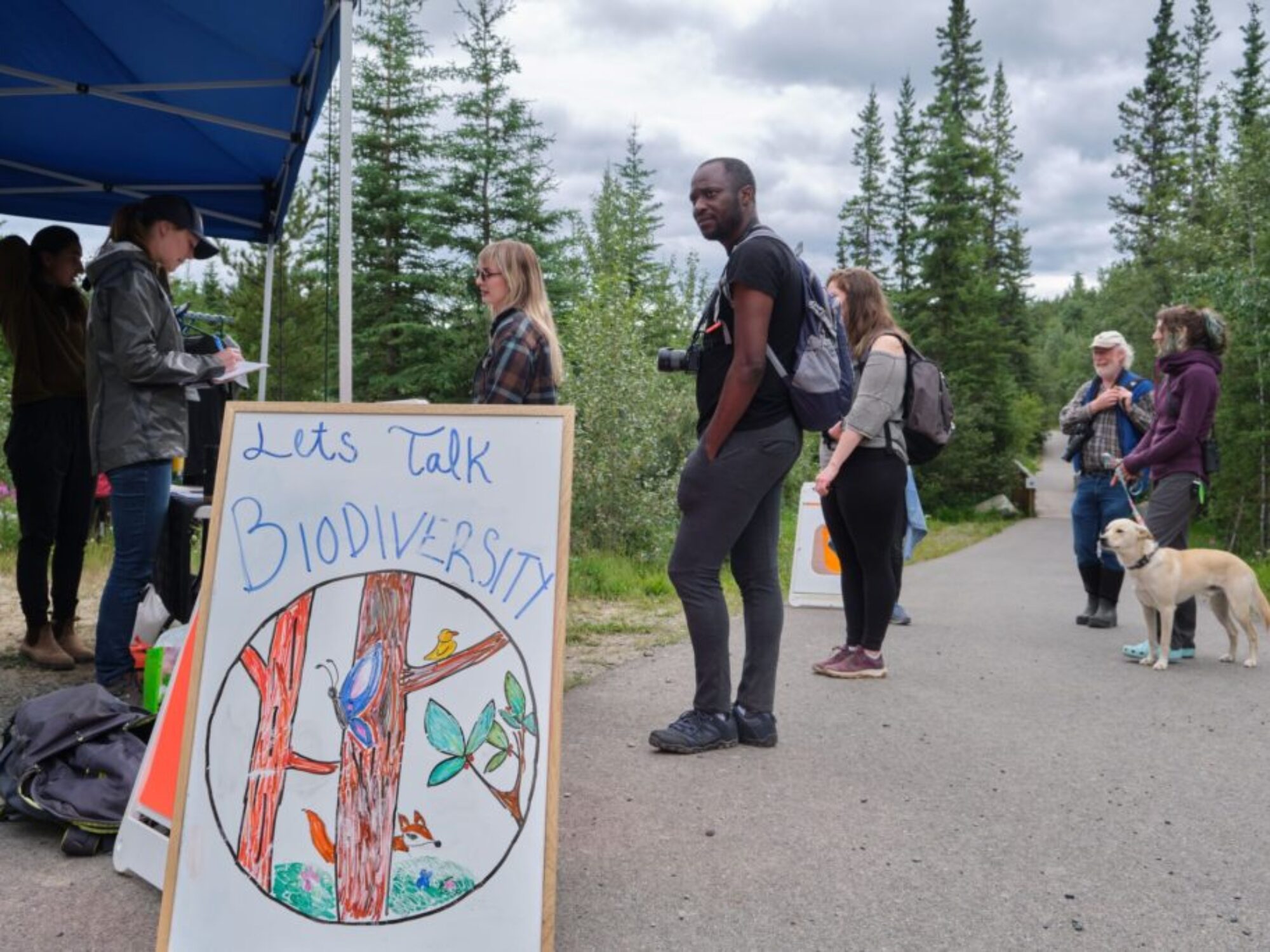
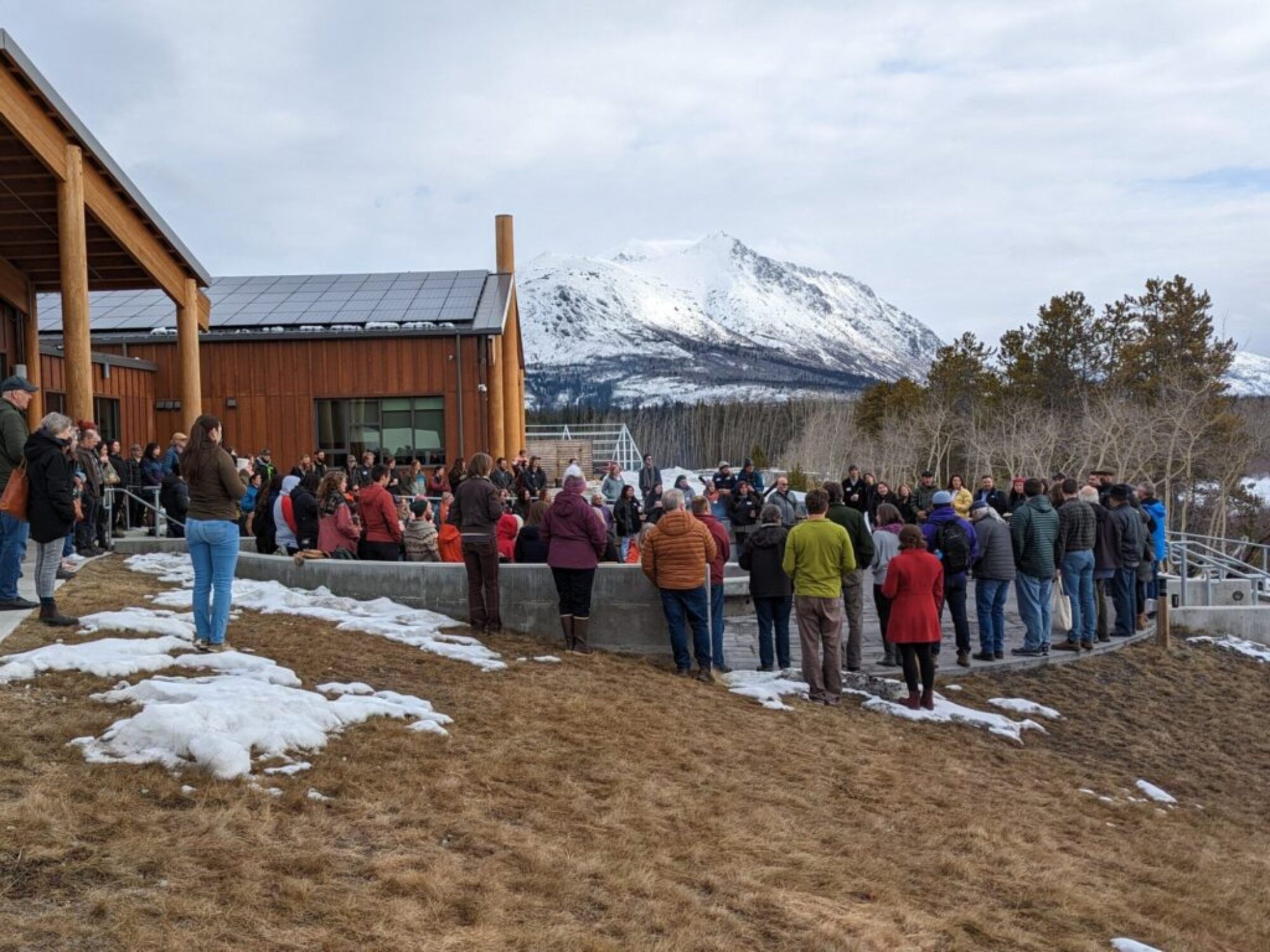
Through educational resources and community events, we share knowledge about local ecosystems, increase awareness of conservation issues, and highlight the relationships between people and place. Our outreach also includes working with partners and First Nation communities to create spaces for learning, dialogue, and cultural connection.
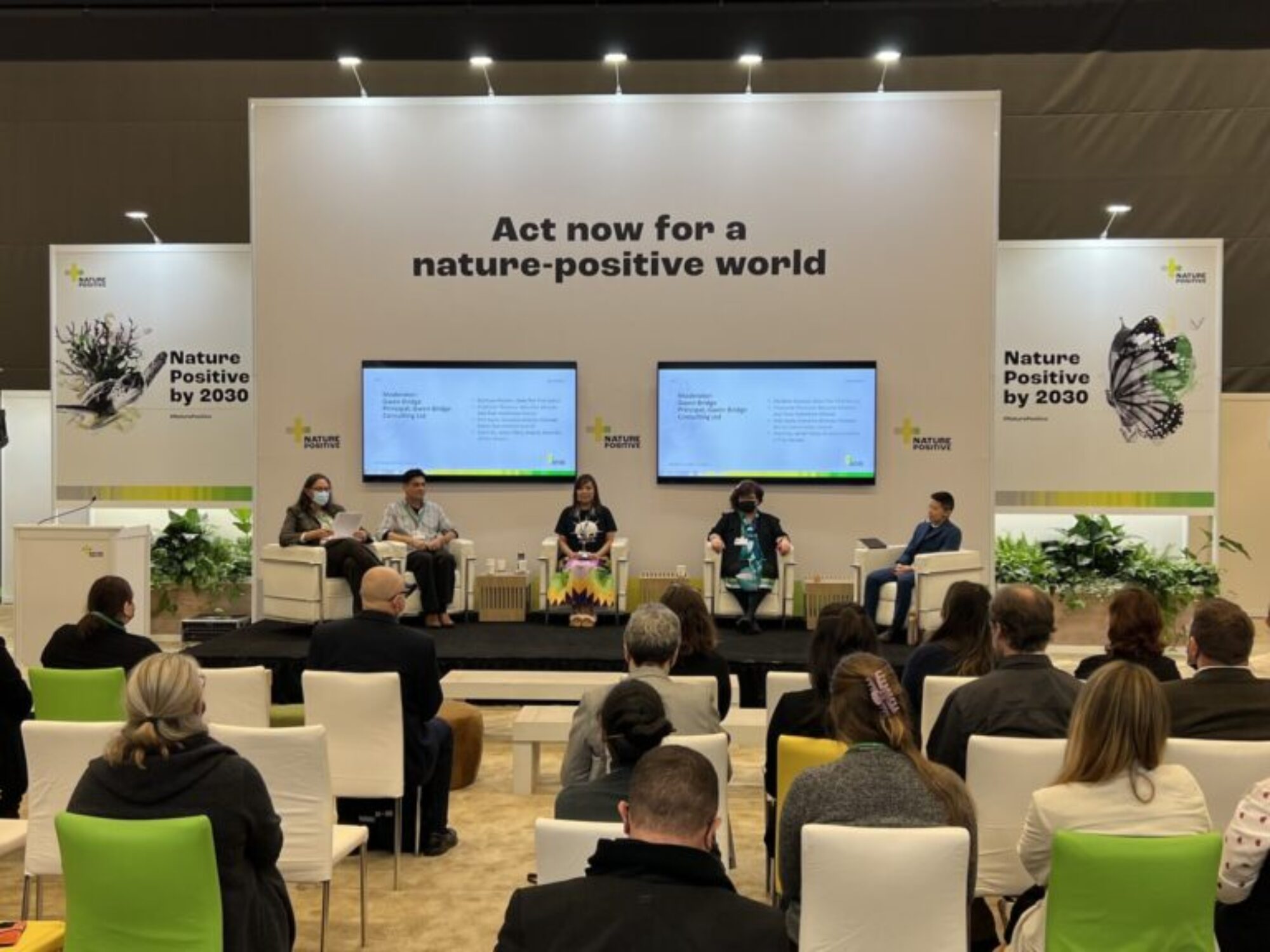
Protecting land and water requires strong relationships, shared learning, and collective action with First Nations, Governments, organizations, and residents. By supporting gatherings, participating in global conversations, and through community-led processes, we help build the connections and momentum needed for meaningful conservation across the territory.
Our Conservation Team creates submissions and recommendations on draft land use plans, policy documents, regulations, and proposed development projects. These submissions include research and analysis to address gaps, identify threats to wildlife, determine tools needed for protection, and ensure meaningful co-management. Often submissions provide strategic guidance and highlight ecological, cultural, and community values as we engage rights holders and stakeholders.
CPAWS Yukon is proud to create community spaces for fostering connection, sharing news and facts, and facilitating discussions about conservation issues in the Yukon.
We welcome you to engage in healthy and thoughtful dialogue about safeguarding the Yukon’s wild spaces for everyone. Please be mindful of the following guidelines, particularly when posting a comment on our social media platforms:
Comments that do not align with these guidelines will be removed. Users who repeatedly violate these guidelines may be blocked from engaging on our platforms.
Our team is committed to learning and reflecting on our practices and impact. As platforms and policies continue to change, we may update these guidelines and/or shift where we are active to ensure that our community spaces continue to align with our values.
To stay connected with CPAWS Yukon updates, we recommend subscribing to our newsletter:
info@cpawsyukon.org
Tel.: (867) 393-8080
101-301 Hawkins St
Whitehorse, Yukon
Y1A1X5
© CPAWS Yukon 2026
CPAWS is a registered charity
# 10686 5272 RR0001
We acknowledge, recognize, and respect that much of our work takes place on the traditional territory of the Kwanlin Dün First Nation and the Ta’an Kwäch’än Council.