Porcupine Caribou Herd
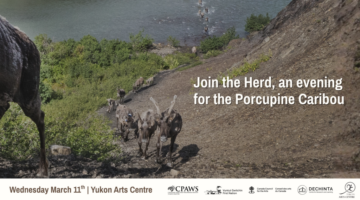
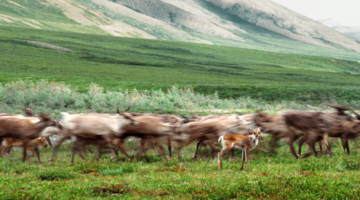
Every year, the Porcupine caribou herd embarks on the longest land mammal migration in the world, covering over 2,400 kilometers across the Northwest Territories, Yukon, into Alaska, and back again. This incredible journey takes them through a significantly intact landscape of the Arctic.
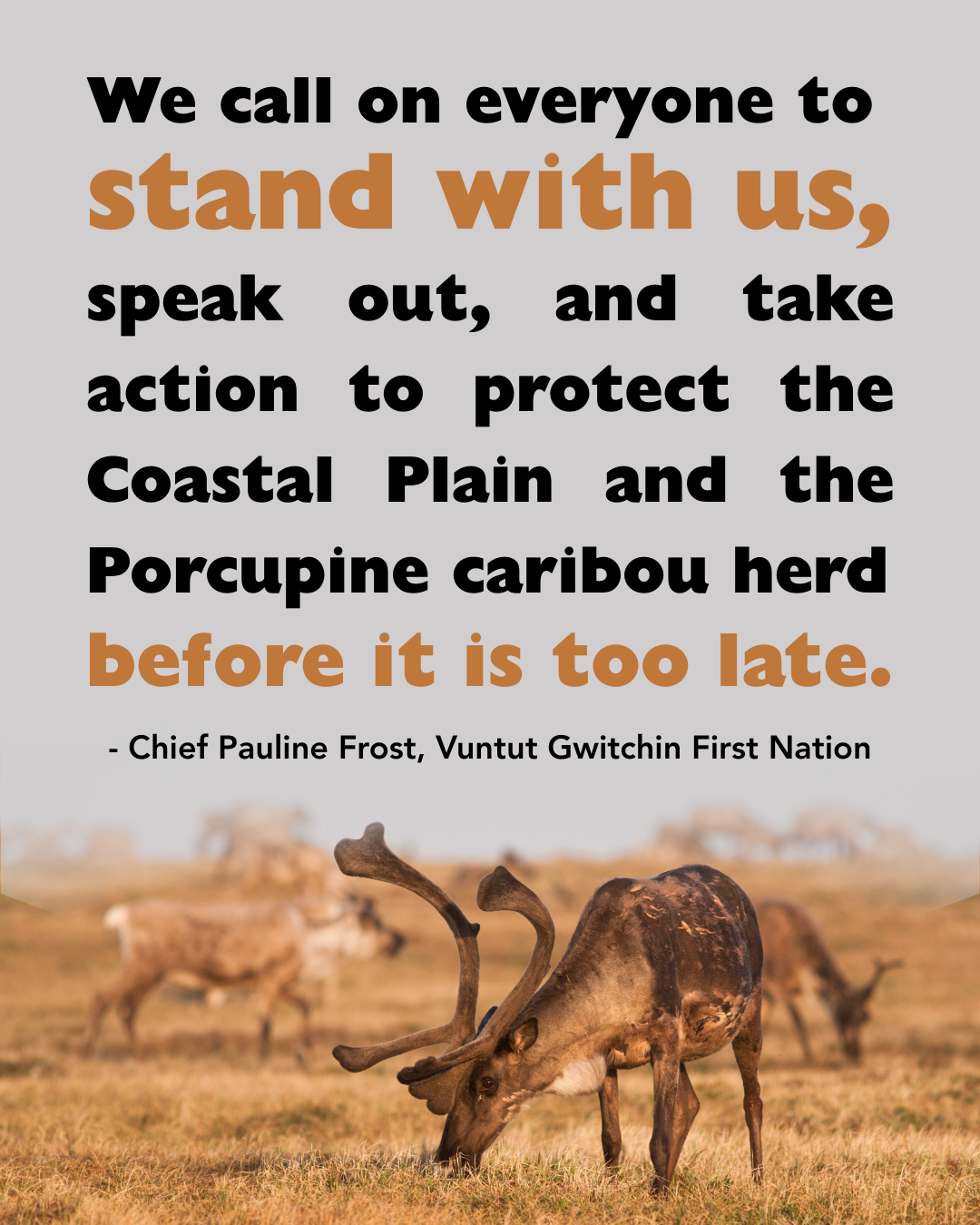
At last count, the Porcupine caribou herd numbered 143,000 (2025 Census). It is one of the healthiest barren-ground caribou herds left in the world, thanks to both a long history of thoughtful co-management and efforts by the Gwich’in and environmental groups to protect their calving grounds.
But this progress is under threat.

In December of 2017, the U.S. Congress approved the Tax Cuts and Jobs Act, and with it an unrelated provision which opened the Arctic Refuge to oil and gas leasing.
Today, the U.S. government, under President Donald Trump, is trying to steamroll more legislation that makes lease sales in the Arctic Refuge mandatory, instead of making decisions based on environmental science, traditional knowledge, or the will of the Gwich’in and other advocates.
The good news is that the last few years have shown once again how much support there is for the Gwich’in and the Porcupine caribou herd. Efforts to safeguard the Arctic Refuge have won unlikely allies in the dozens of banks that have pledged never to fund drilling in the Arctic, and even oil companies are showing their reluctance to pursue drilling in the Arctic Refuge.
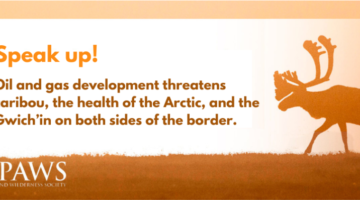
CPAWS Yukon, along with other allies, is advocating for protection of the Porcupine caribou herd’s calving grounds in the Arctic National Wildlife Refuge. This refuge is home to numerous important Arctic species and provides nourishment and protection for calving caribou mothers, denning polar bears, and hundreds of species of migratory birds.
You can still help give a voice to the Porcupine Caribou. Vuntut Gwitchin First Nation is urging everyone to call on federal ministers and the Government of Canada to protect the Arctic Refuge. The Nation even created a script and compiled phone numbers to make the process incredibly easy.
613-992-9381
Minister Julie Dabrusin
Minister of Environment
613-995-4014
Minister Anita Anand
Minister of Foreign Affairs
Learn More about the Arctic Refuge