Putting People and Planning First in Whitehorse
Written by Nicole Schafenacker and Joti Røsholt | July 30, 2026
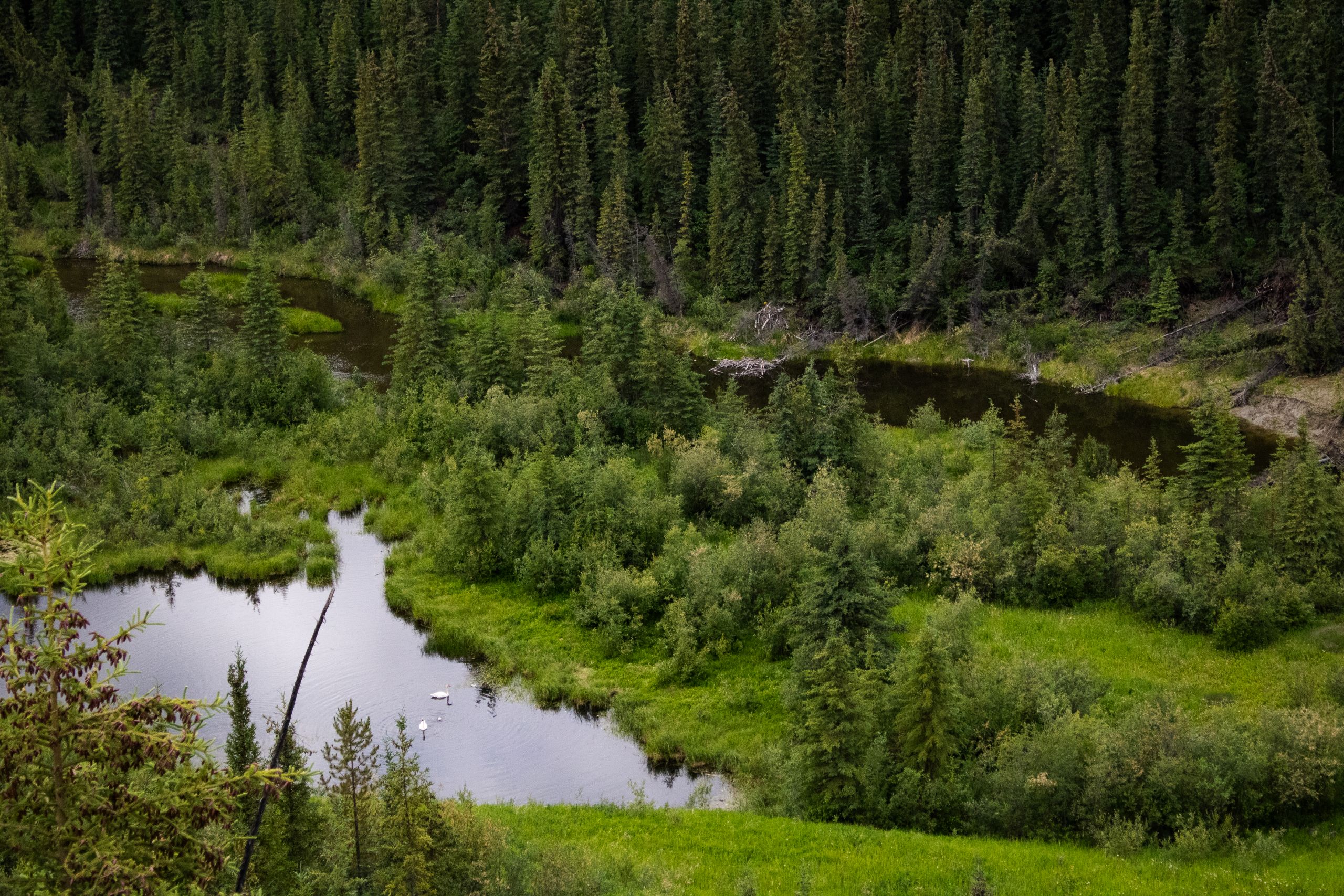
“I have come deeply appreciate the interconnectedness of this watershed especially how Murray, Coal and Mary lakes connect to Wolf creek, which flows through the Wolf Creek Territorial campground and into the Yukon River. Over the last few years those of us who use the trails have seen a significant impact due to increasing mineral exploration by Gladiator Metals.”
– Mary Lake Resident
We have the unique privilege, in Whitehorse, of being a “wilderness city.” Within 20 minutes or less you can find yourself on interconnected trails that take you into the heart of thriving ecosystems: boreal chickadees adding to their nest with mosses, hillsides of crocuses marking spring melt, a pileated woodpecker drumming for ants, muskrats and beavers shaping waterways, signs of where black bears, mule deer, moose and even caribou have passed by. Many of these trails follow ancestral routes that connect all the way from Lake Laberge to Marsh Lake and beyond. We owe much to the Kwanlin Dün First Nation and Ta’an Kwach’an Council Citizens who have cared for and stewarded this place for generations.
For many residents, access to nature is the reason we live here. Just three years ago, the City of Whitehorse’s Official Community Plan (OCP) was adopted to ensure the priorities of residents and local First Nations are reflected in city planning. Careful planning is key to balance the needs of people, the health of the land, and the health of the economy. To this end, the City was developing a Mineral Exploration and Development Framework, to ensure “exploration and development progress in a manner consistent with local planning objectives and community values.”
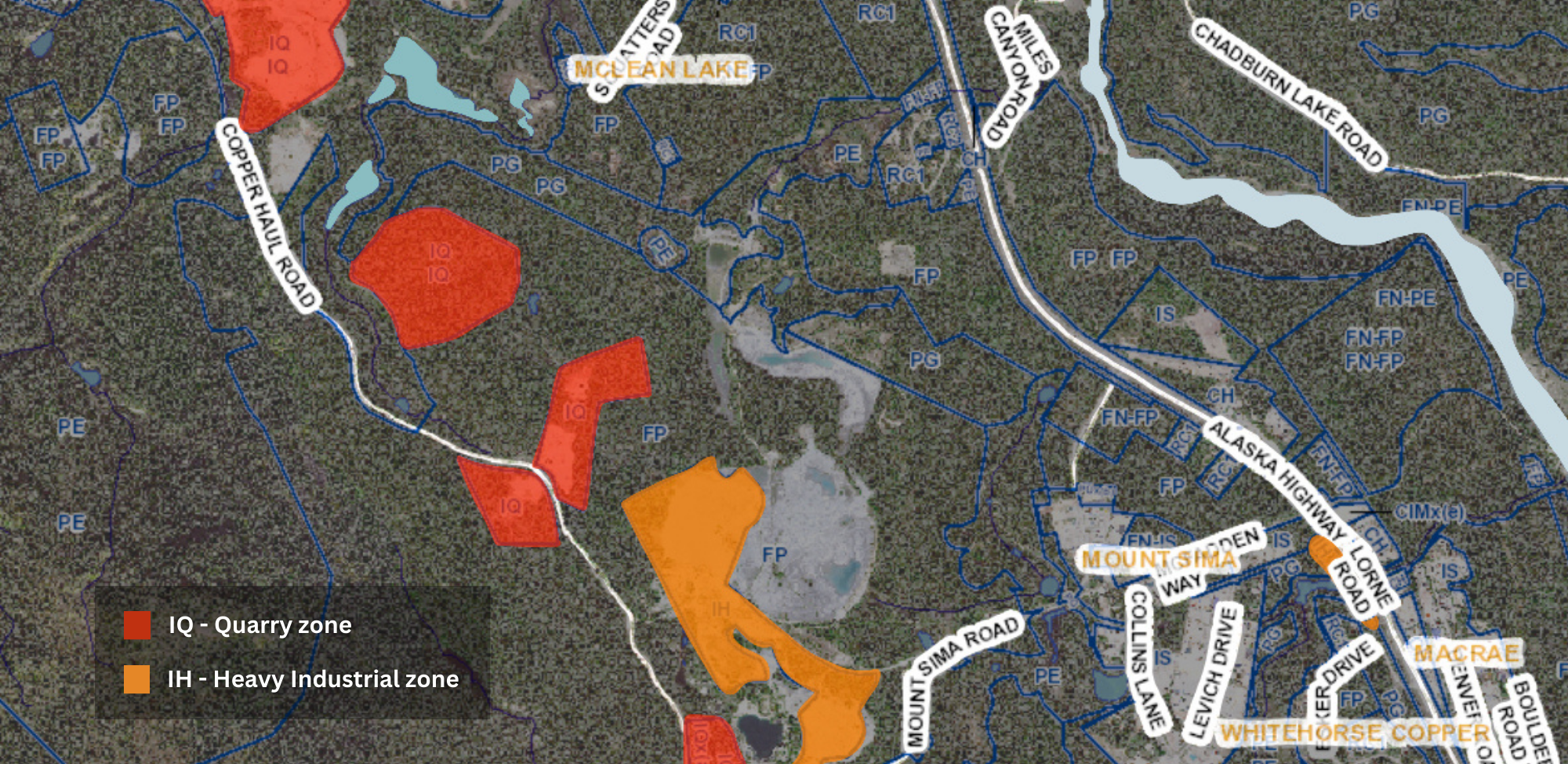
However, Gladiator Metals proposed an amendment to the OCP to bypass this framework and the public process the City had been working on over the last few years. The proposal seeks to reclassify three greenspace and environmentally sensitive areas (along Mary Lake, near Copper Ridge, and near Mount Sima) as areas for Future Planning, and then permit mining exploration in all Future Planning areas. City staff put aside working on the framework to focus on this proposal, despite there being no legal need to do so immediately.
As the city grows, decisions on how to balance the needs of housing, transportation, and development will grow with it. Future planning areas are typically flagged for residences, schools, community facilities, and transportation infrastructure. This change would complicate meeting the current and future day-to-day needs of Whitehorse residents.
During the City Council meeting in July, residents filled City Hall and spoke up. Why is the City prioritizing industry interests over community needs and processes? One Wolf Creek resident spoke about how the framework was designed to mitigate the impacts to water, wildlife, and people, and how residents have all engaged in this rigorous process. They emphasized the need for planning, respecting process and fairness. Likewise, a Mary Lake resident spoke about how the OCP matters; residents and stakeholders were extensively consulted, and the result is a careful, municipal land use guide and plan. They went onto say that a mining claim is NOT a land-use plan. By considering this amendment, the City of Whitehorse is allowing Gladiator Metals to bypass the process and change the OCP for their own self-interest. This sets a dangerous precedent for mining companies, whose goal is for exploration to become a mine, bringing more impacts that can quickly escalate around Whitehorse.
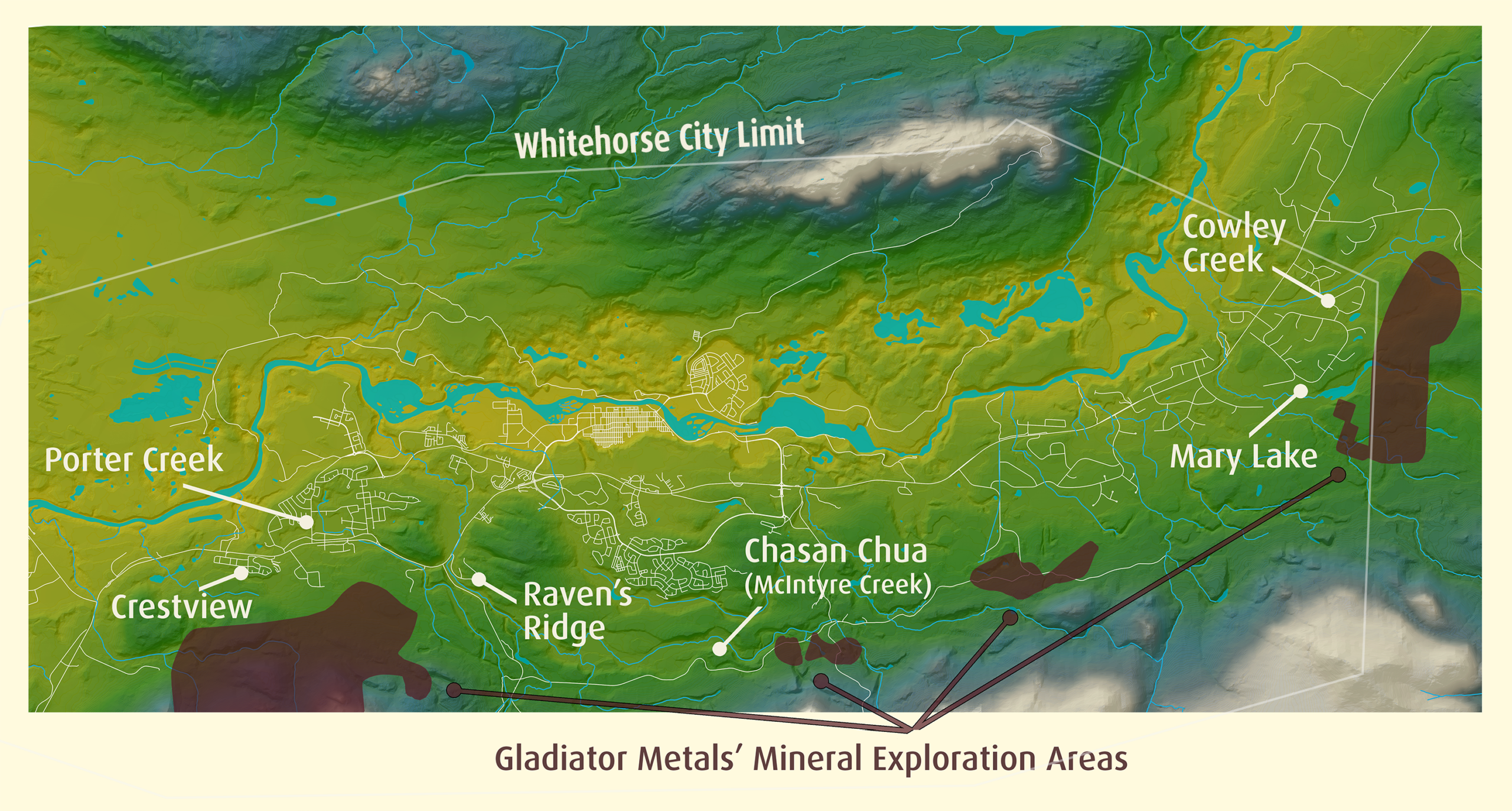
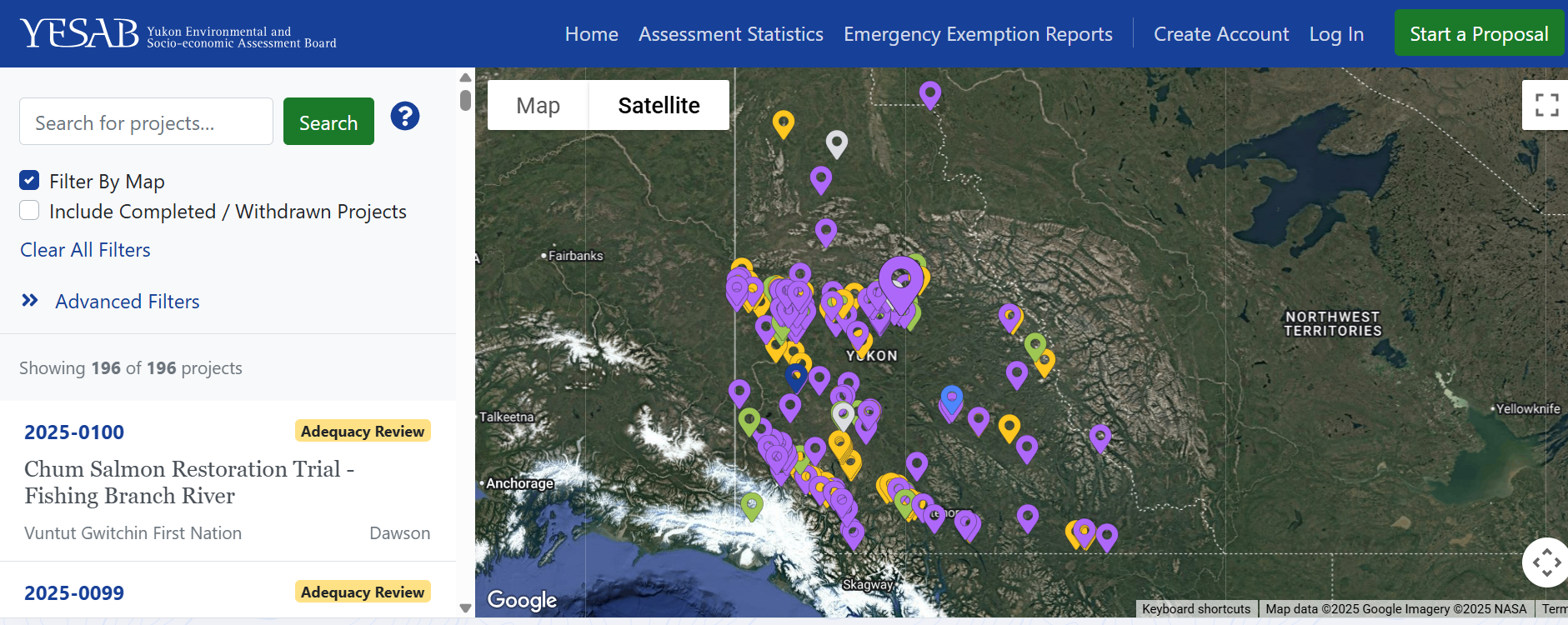
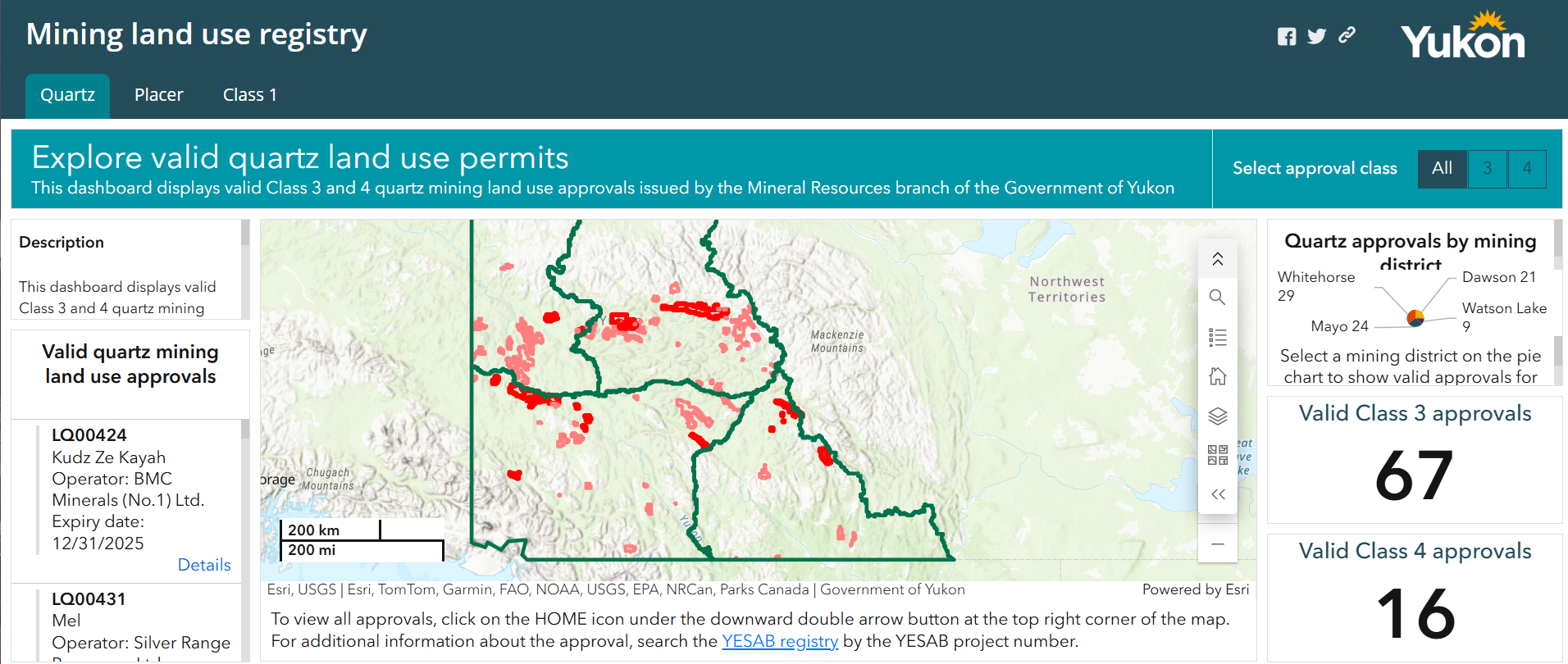
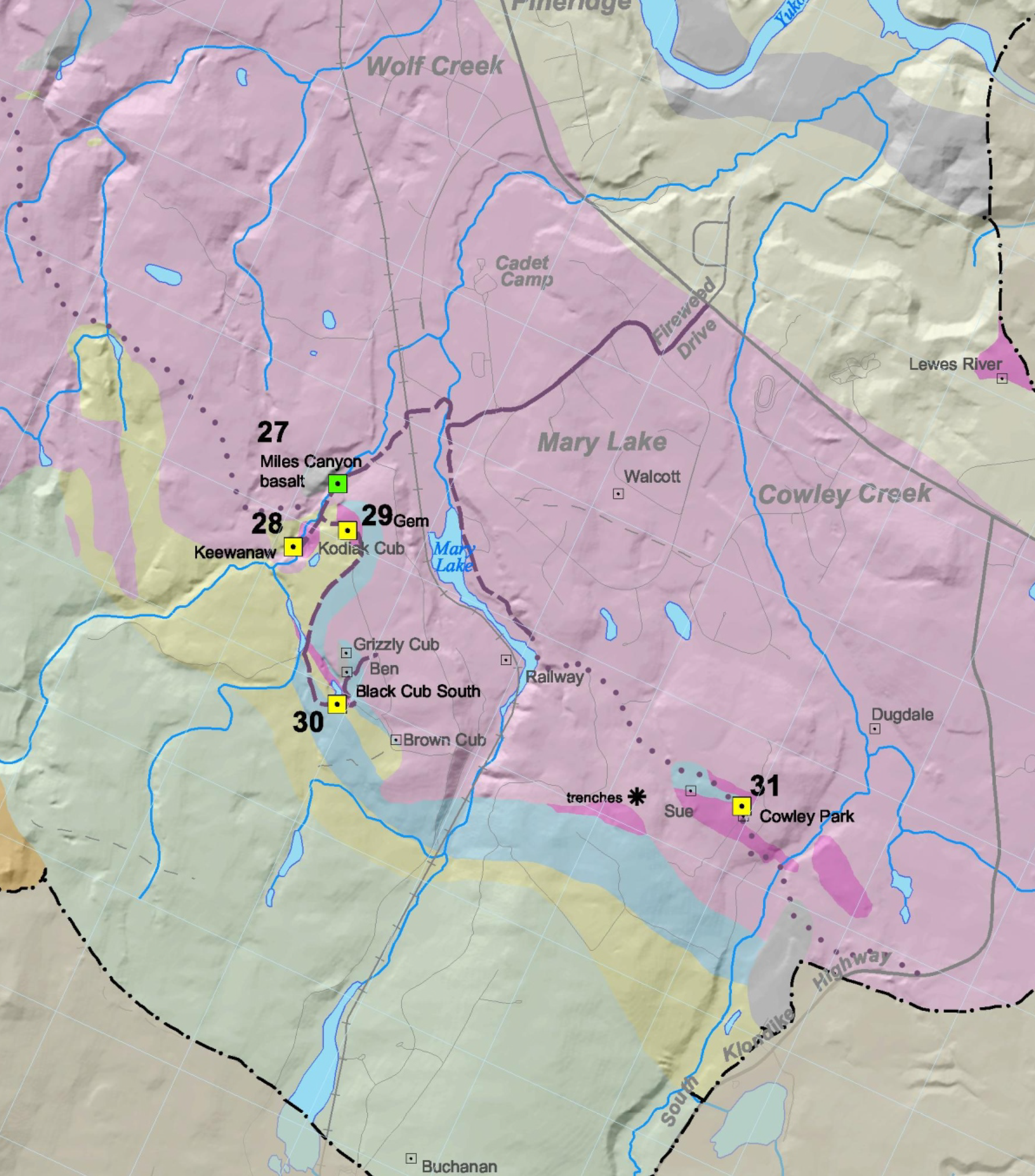
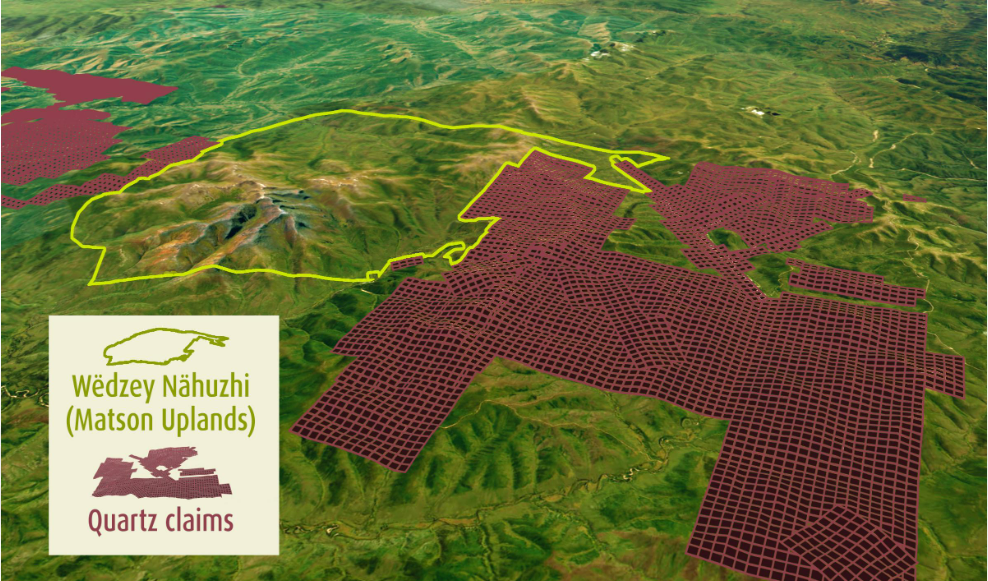
Current exploration areas for Gladiator Metals, where they have a Class 3 Exploration Permit. Graphic by Malkolm Boothroyd.
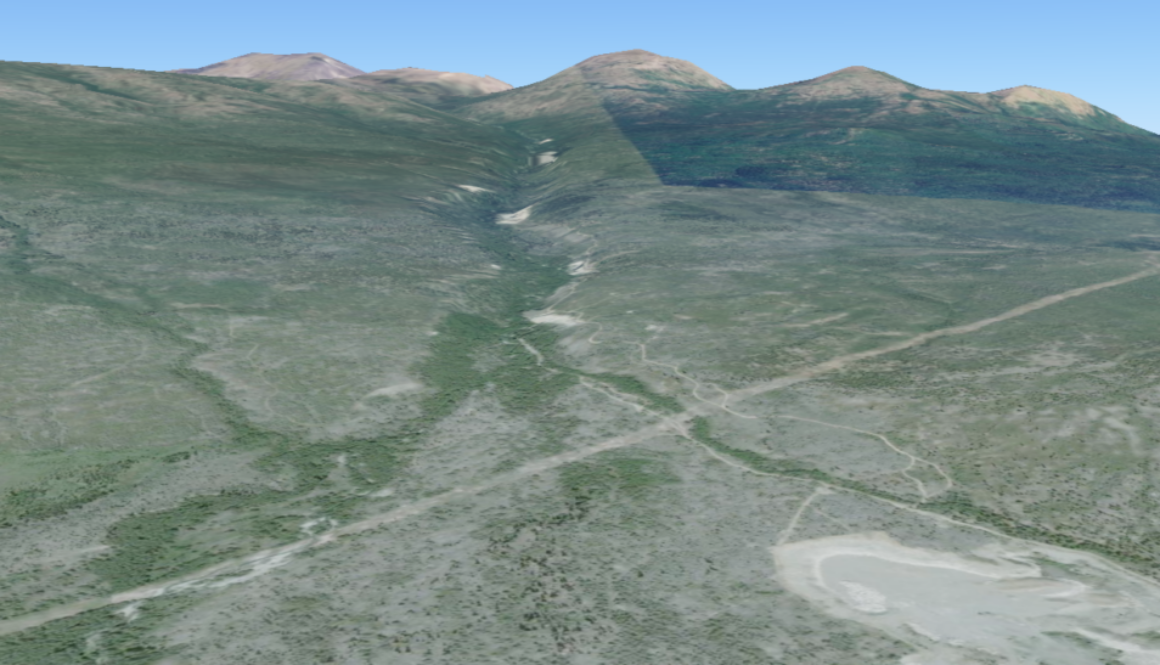
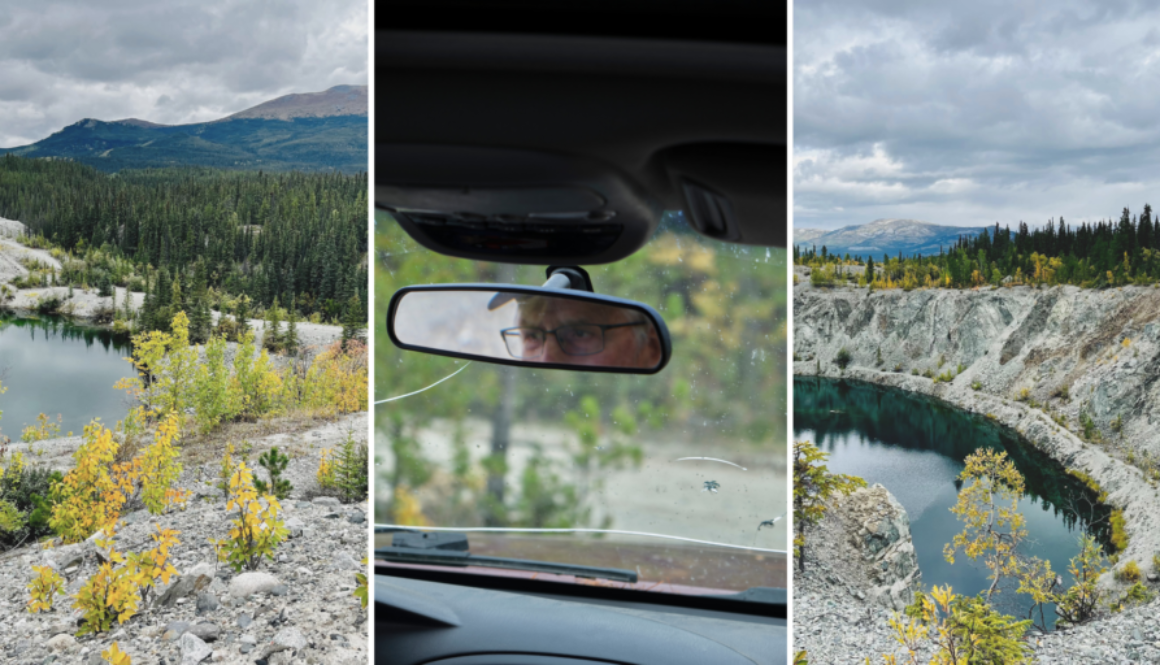
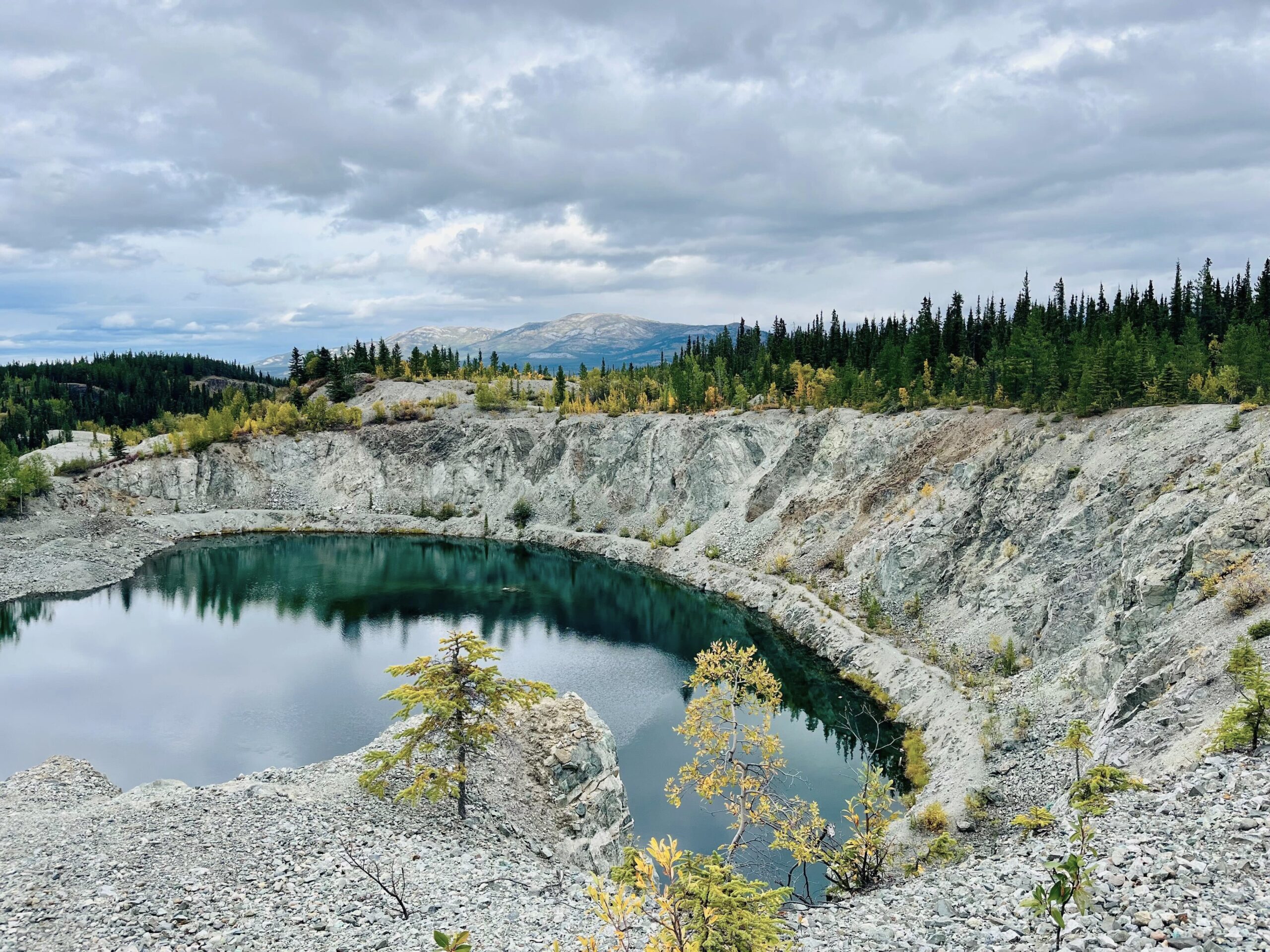
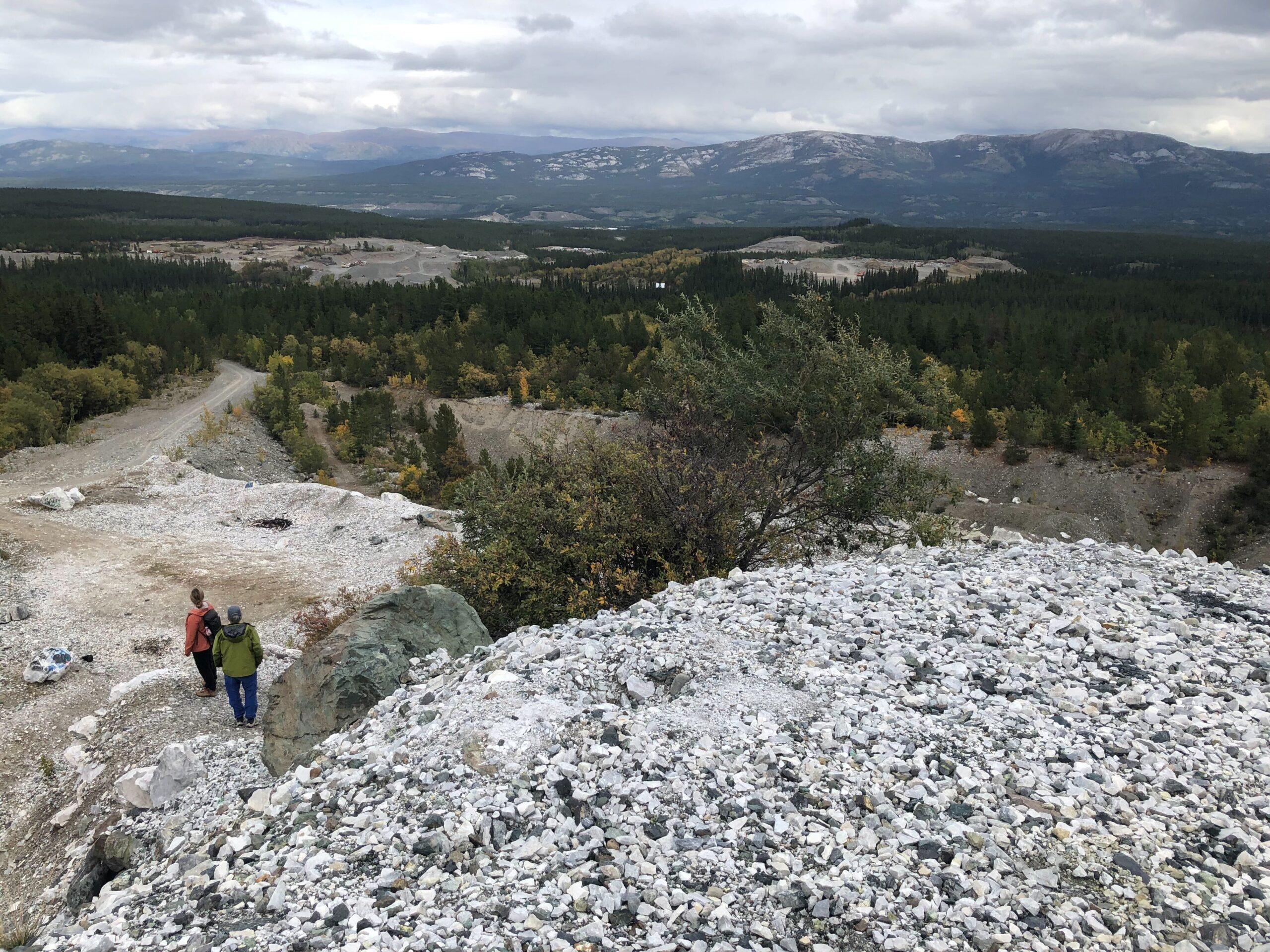
Further, the mining company’s proposal introduces a broad definition for “Disturbed” areas, which includes everything from areas with FireSmarting, past mining activity, fire breaks, and more, to similarly facilitate mining exploration. “Just because an area has been disturbed does not automatically equate to it then having mineral tenure,” noted one resident. Another Mary Lake resident added that the proposed areas are not a wasteland, that people and wildlife rely on these places, specifically noting caribou. Nearby, Chasàn Chùa Territorial Park protects areas that were damaged by a landfill and drilled for mining exploration, where there are beavers, families of moose, trails, and more. Many disturbed areas are healing and being cared for, and shouldn’t have their value thrown out for mining interests.
This trend of industrial activities transforming Yukon’s wild spaces before planning reverberates throughout the Yukon. On the traditional territory of the Na-Cho Nyäk Dun First Nation, permanent changes to the Stewart watershed region are piling up before the people impacted have the opportunity to create a long-term plan for the future. Measures like regional land planning and management plans for protected areas are something all Yukoners can participate in, but for them to be meaningful and practical we need our governments to stand up for these democratic processes.
What these planning processes have in common is a vision for the future that comes from the people who live there. In the Yukon, we have an opportunity that many cities and communities have lost: to meet the needs of the community, local economy, and the environment. But this takes planning. A company often will not be there for full life cycle of a project, but communities will be. Allowing industry to begin work before planning is completed erodes the ability of plans to safeguard the lands, water, and wildlife that have been stewarded since time immemorial.
“This is not a not-in-my-backyard issue. This is an issue that affects all citizens of Whitehorse.”
The good news is that it’s not too late. The City is accepting written submissions until a public hearing takes place on the matter at City Hall (Monday August 24th, 5:30 pm). Email publicinput@whitehorse.ca with your thoughts and priorities. Residents can also speak at the public hearing.
Tips from Whitehorse residents on writing to Council:
- Your full name, the neighbourhood you live in, and the number of years you’ve lived in Whitehorse.
- Why you care about this issue. What you’ve seen, experienced or are concerned about.
- A clear request: that Mayor and Council reject proposed Bylaw 2026-25
- Your personal voice matters. Use the key facts to craft your email or speaking points in a way that’s uniquely yours.
We also recommend reporting observations and complaints to the City of Whitehorse about impacts such as noise and disturbance, disruptions to wildlife and/or trails, or concerns about groundwater and wells.
For all the dog-loving Yukoners you can participate in the first ever Dog-A-Thon Triathlon in Mary Lake on August 22nd to showcase what makes one of these threatened greenspaces so important to residents.
As we face pressures from wildfires, climate change, and geopolitical tensions, it’s more important than ever that we come together as Yukoners and contribute to the planning processes across the territory. Through regional land use plans, management plans for protected areas, or community plans, we democratically create a long-term vision for the health of this land for the generations to come.
Sources and resources:
- June 29 City Council package with proposal starting at page 8
- Video of July 7th Council Meeting about the proposal
- City of Whitehorse Webpage Mineral Exploration and Development Framework
- Whitehorse 2040 Official Community Plan
- Yukon News article Whitehorse council hears renewed proposal to open city lands to mineral exploration
More CPAWS Resources
New Minerals Legislation
Mining in Whitehorse
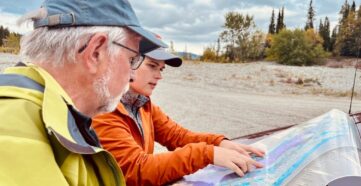
Seeing with our own eyes
-
Contacts for reporting a nuisance:
City of Whitehorse the Bylaw Services trouble line (867) 667-2111
- Energy Mines and Resources (Government of Yukon): (867) 633-7952, mining@yukon.ca
- Compliance, Monitoring, and Inspections (Government of Yukon): (867) 667-3137, cmi-inquiries@yukon.ca
- Gladiator Metals Community Outreach: community@gladiatormetals.com
- Gladiator Metals Community Contact: Leneath Yanson, (604) 653-9464, lyanson@gladiatormetals.com.
Getting a complaint logged with any, or all of these branches is an important step regardless of what they recommend.
Tips for reporting noise disruptions:
Including the following information will strengthen your complaint:
- Record the date and time of the noise including duration if possible,
- Write a brief description of the noise and the disruption it is causing such as annoyance or impacting sleep,
- Approximate the direction the noise is coming from,
- Be sure to record whether the noise is heard from outside the house, inside the house with windows open, inside the house with windows closed, or all three of those options.
A Parallel in the Stewart Watershed
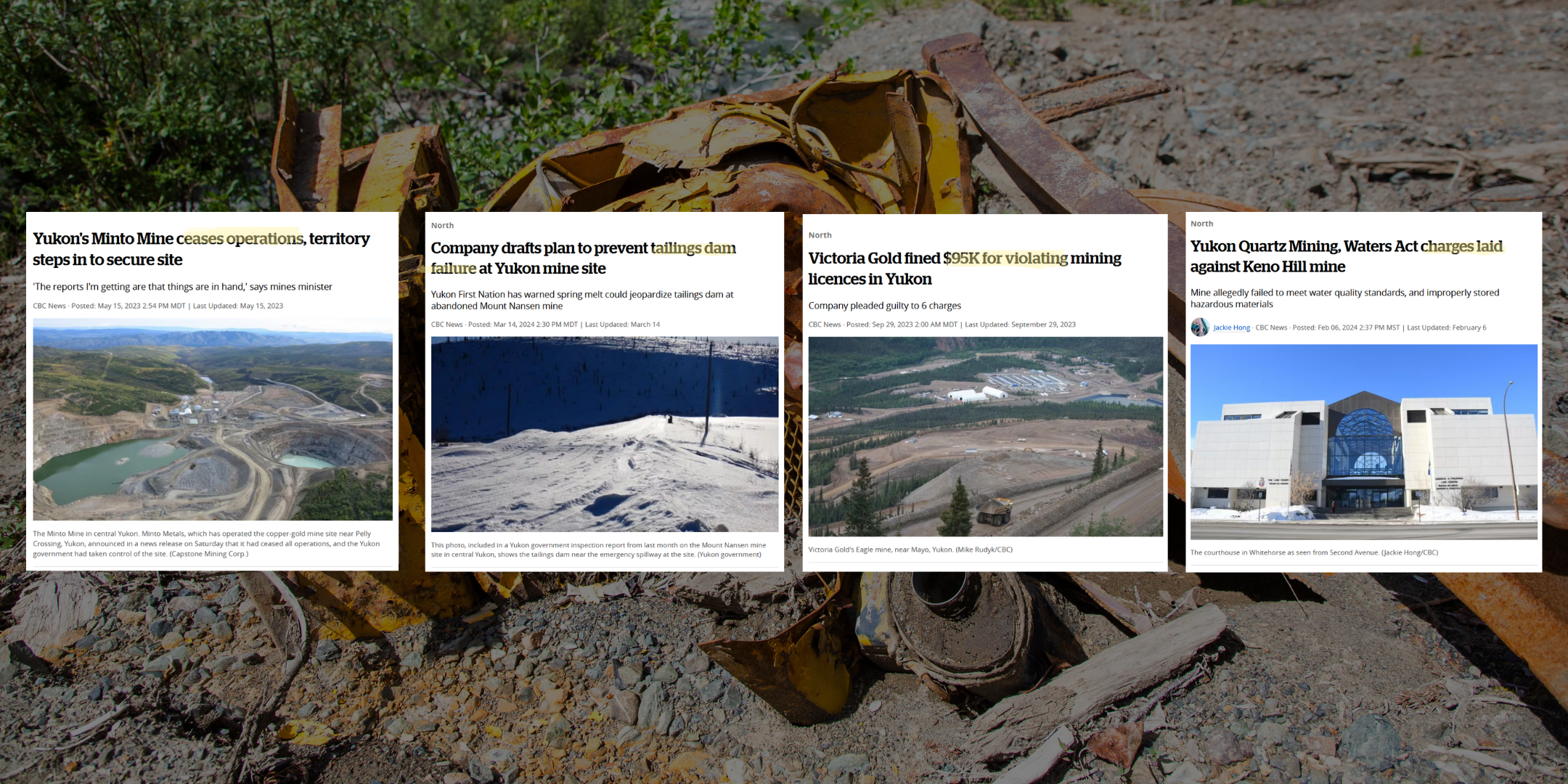
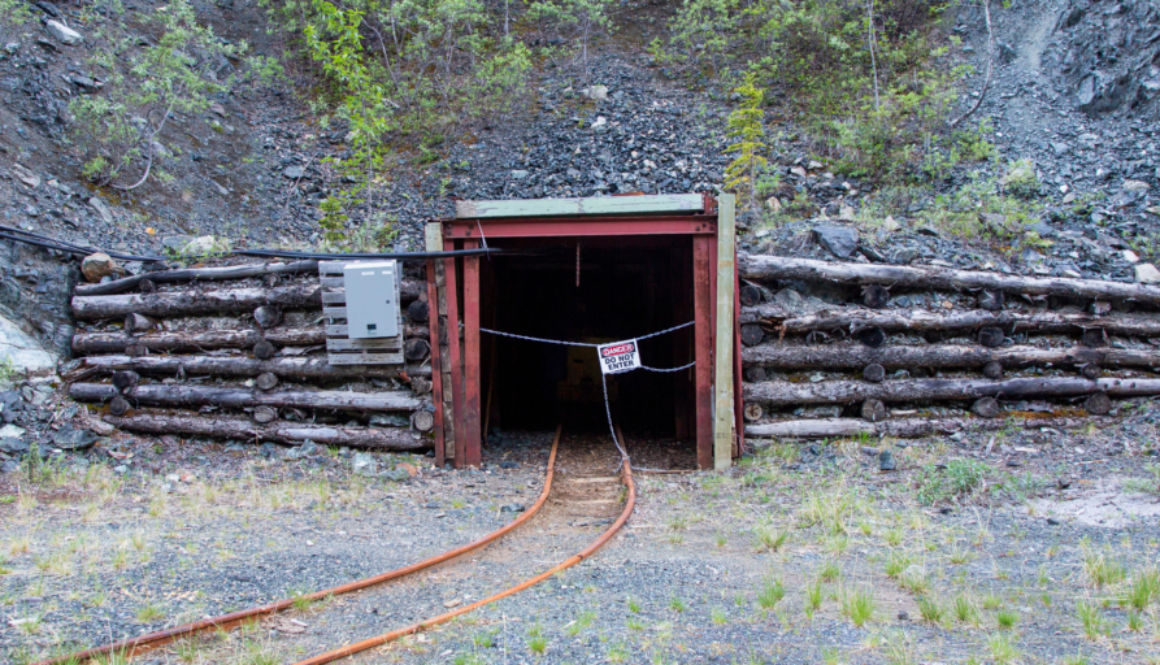
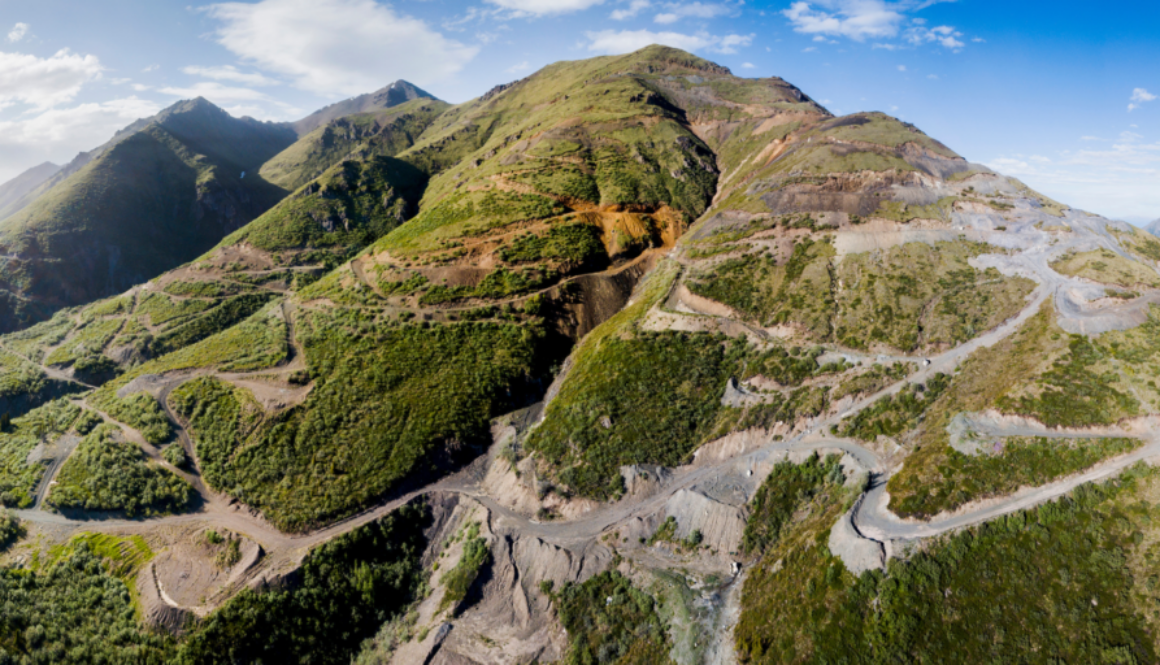
The First Nation of Na-Cho Nyäk Dun signed their Final Agreement in 1993 and three decades later the Yukon government has just entered into a regional land use planning process with the Nation. Meanwhile, the region and watershed is undergoing significant transformation by industrial development. “There’s going to be nothing left for them” said Councillor Helaina Moses, referring to the generations to come, during the Nation’s presentation that ran parallel to the Yukon Geoscience Forum & Tradeshow last year. In the history of mining in the Yukon there are only a handful of mines that have been successfully closed. The impacts of mines that end in disaster have had profound cultural, environmental, and social consequences that leave their mark for decades to come. In the aftermath of the Eagle Mine Disaster, Yukoners have been left to lend taxpayer dollars to cover disaster-response costs that amount to one-eighth of Yukon’s budget.
Similar to the City’s OCP, regional land plans in the Yukon are holistic plans created together by communities, governments, stakeholders, planning experts and are designed to include economic values as well as environmental and social values. As former Chief of Na-Cho Nyäk Dun Dawna Hope has said, “We know we need mining. But no more boom and bust, in and out.” As many leaders across the Yukon have pointed out, the Yukon’s mining laws have not been updated since the Gold Rush. To sustain mining and local jobs we need mineral legislation for the twenty-first century.

 Step 2
 Step 3