Yukon court dismisses case that threatened the Peel Plan
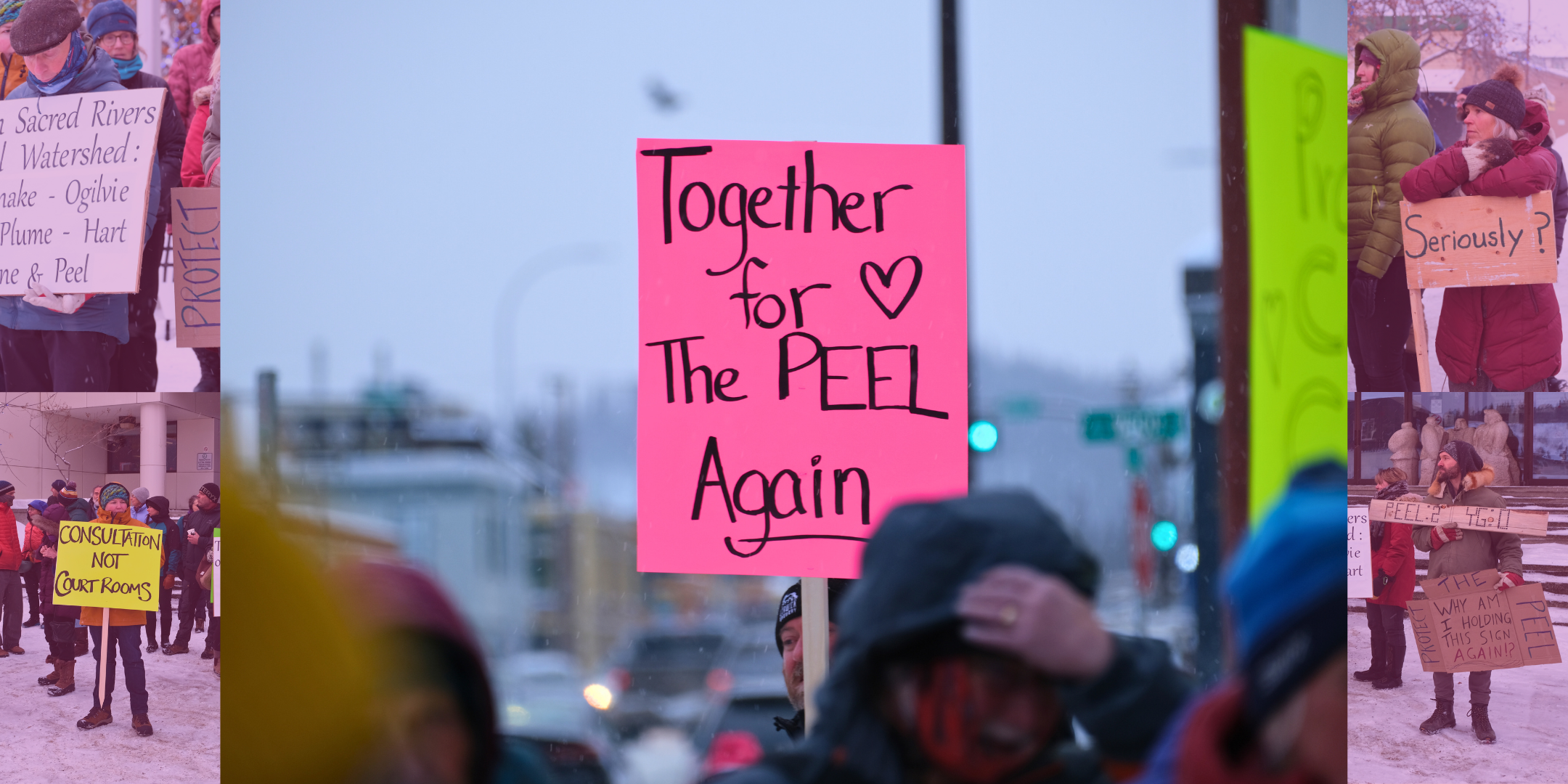
Written by Joti Overduin, rally photos by Adil Darvesh | March 13, 2025
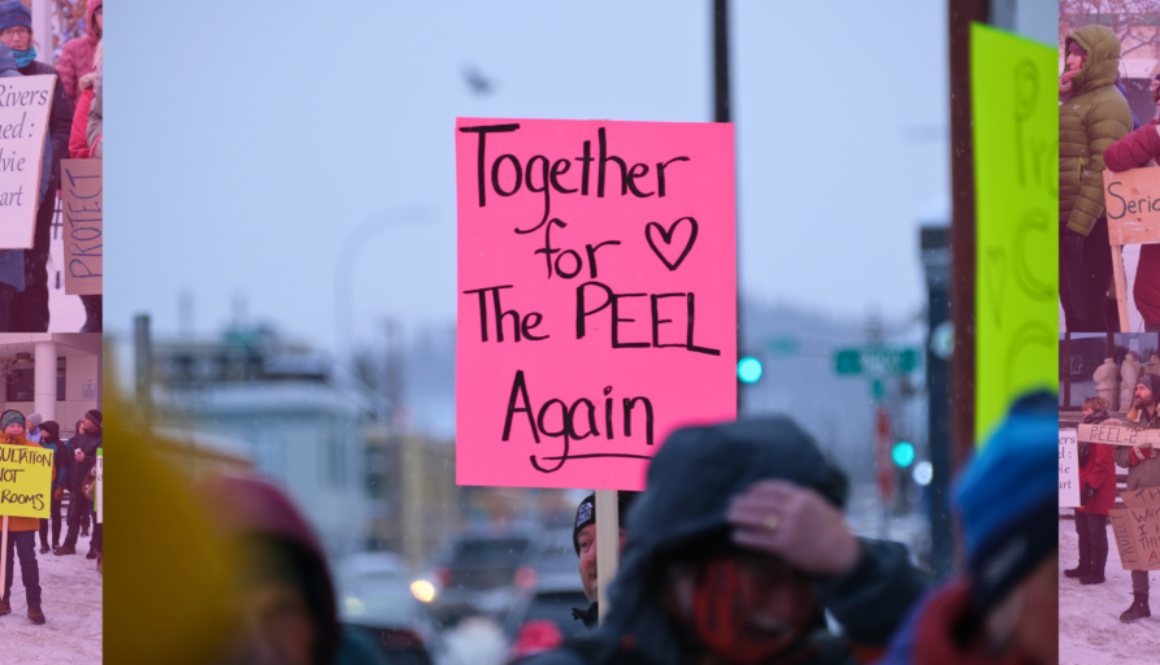
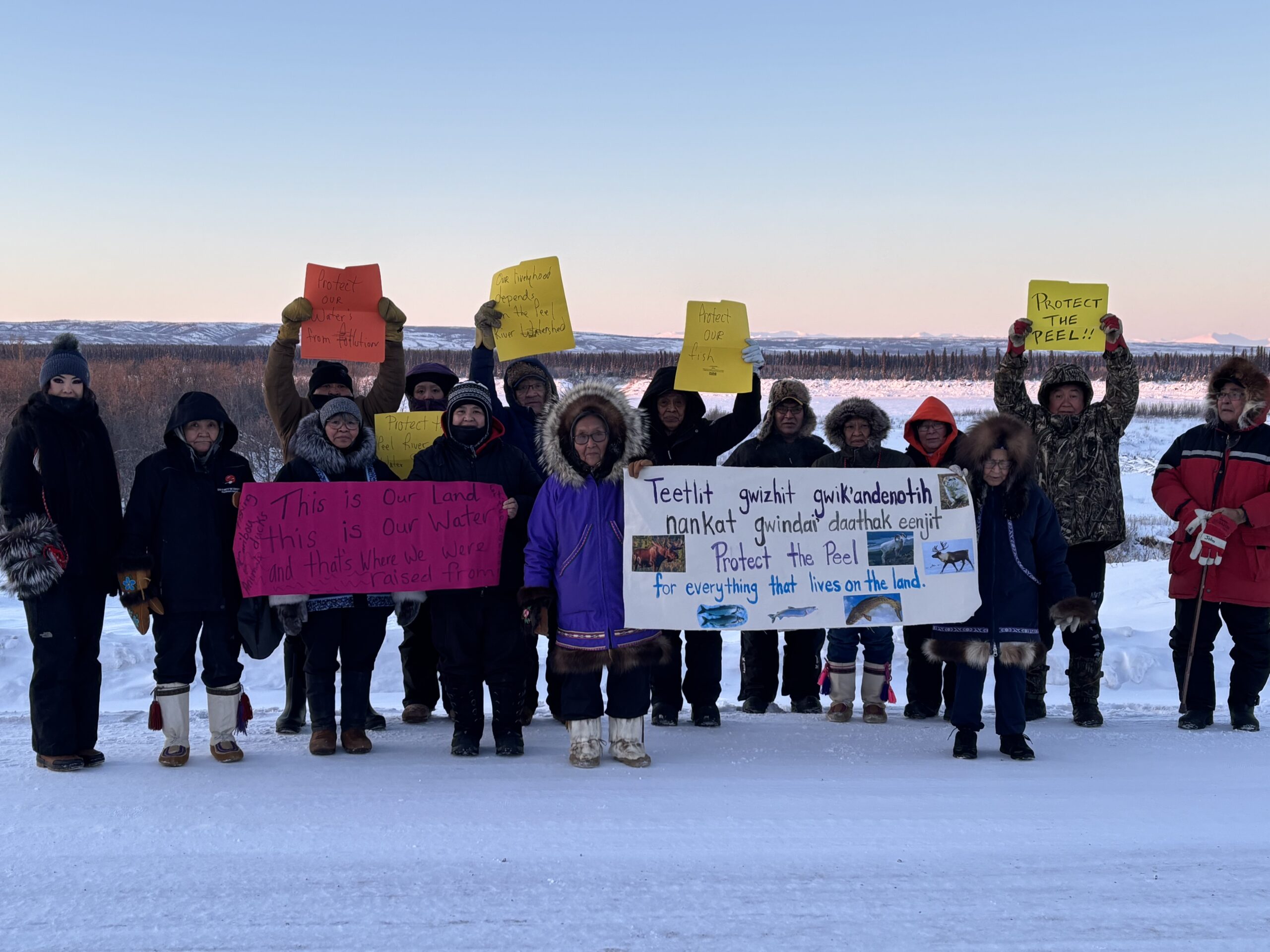
After rallying together in the cold in Whitehorse and across the Yukon and NWT last November, the ruling from the judge to dismiss the Yukon government’s case was very much welcome. It was a decision that reflected the reactions of many from the outset of this confusing and disappointing court action on YESAB’s recommendation that the Michelle Creek mining project not proceed.
The Yukon Supreme Court judge determined that bringing this court action forward was both not legally permissible, and out of step with the constitutionally protected process. The judge didn’t touch on the specifics of the YESAB recommendation or how YESAB went about creating it, as that is meant to be discussed between the Yukon government, Trondëk Hwëch’in, and the First Nation of Na-Cho Nyäk Dun.
At CPAWS Yukon we all shared feelings of deep gratitude to Trondëk Hwëch’in and the First Nation of Na-Cho Nyäk Dun for all the energy, time, and work dedicated to defending the integrity of the Peel Plan and the Final Agreements. There was also a strong focus on the importance of baseline data (information about an area before exploration or mining) to evaluate potential impacts and the effectiveness of mitigation efforts on the land, waters, and wildlife—critical not only for the Peel but for development proposals throughout the Yukon.
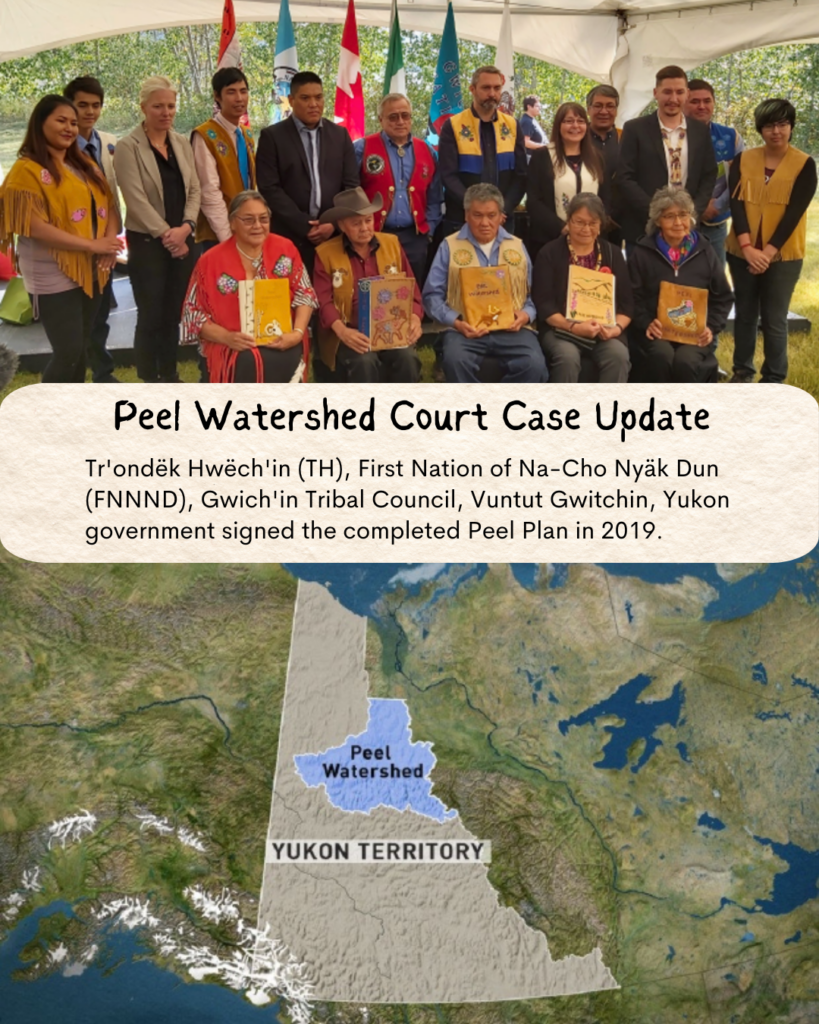
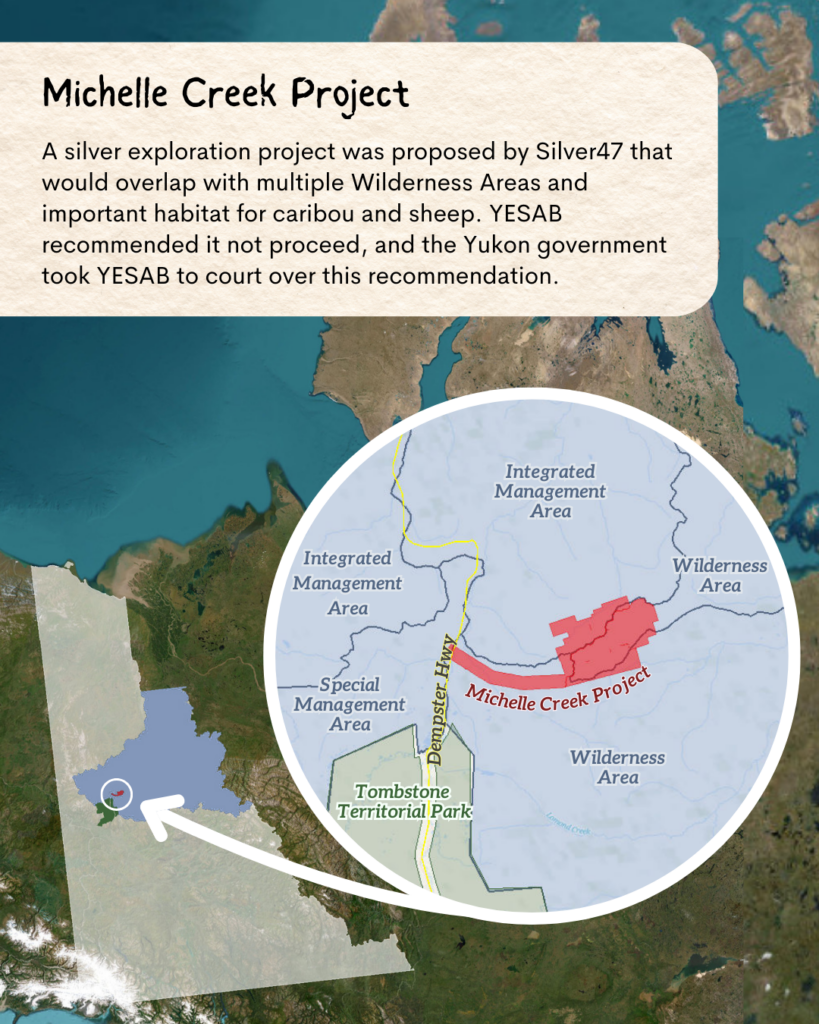
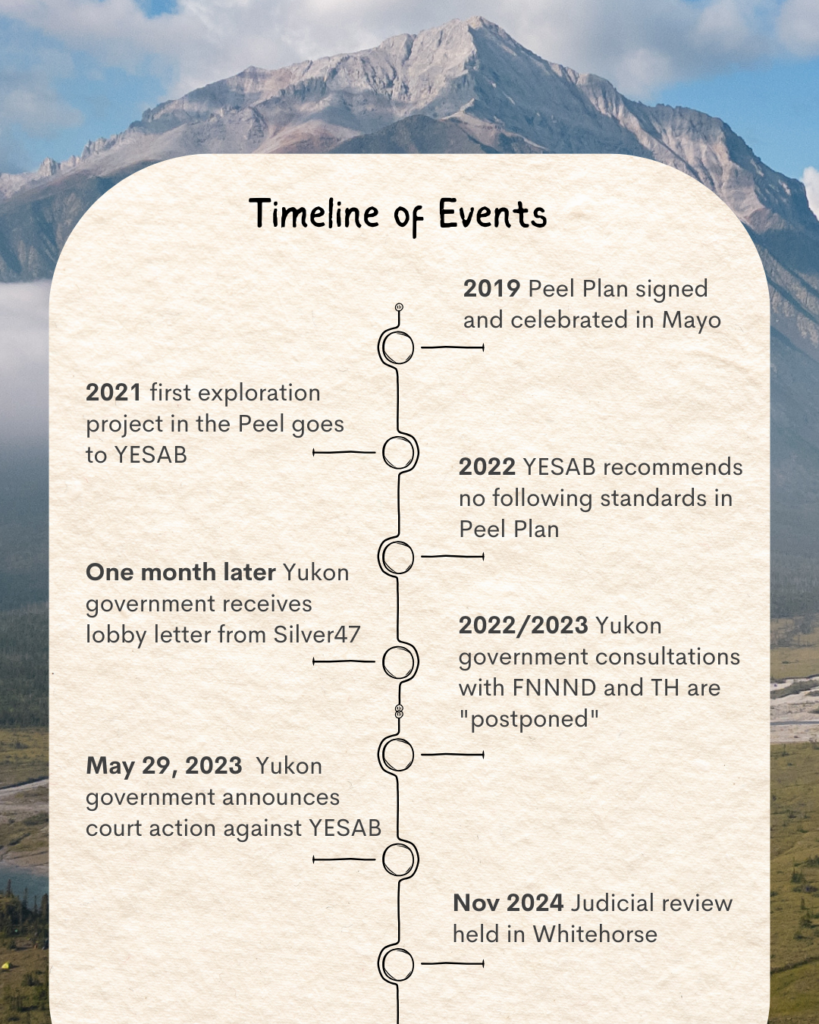
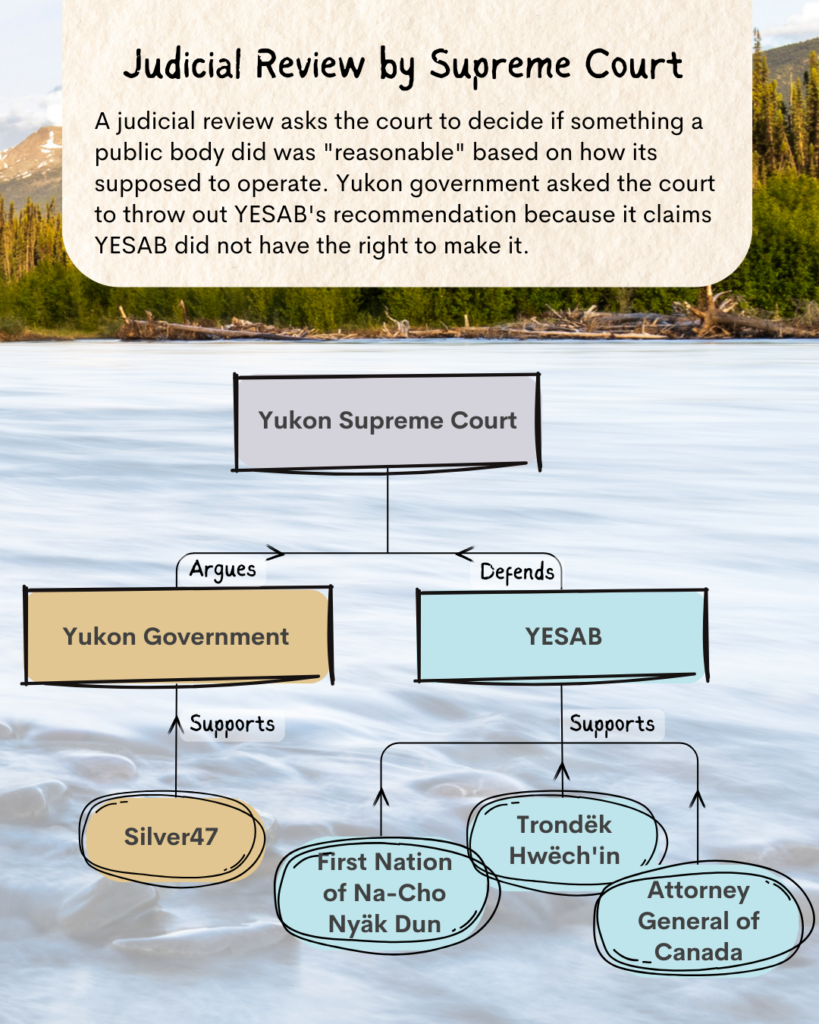
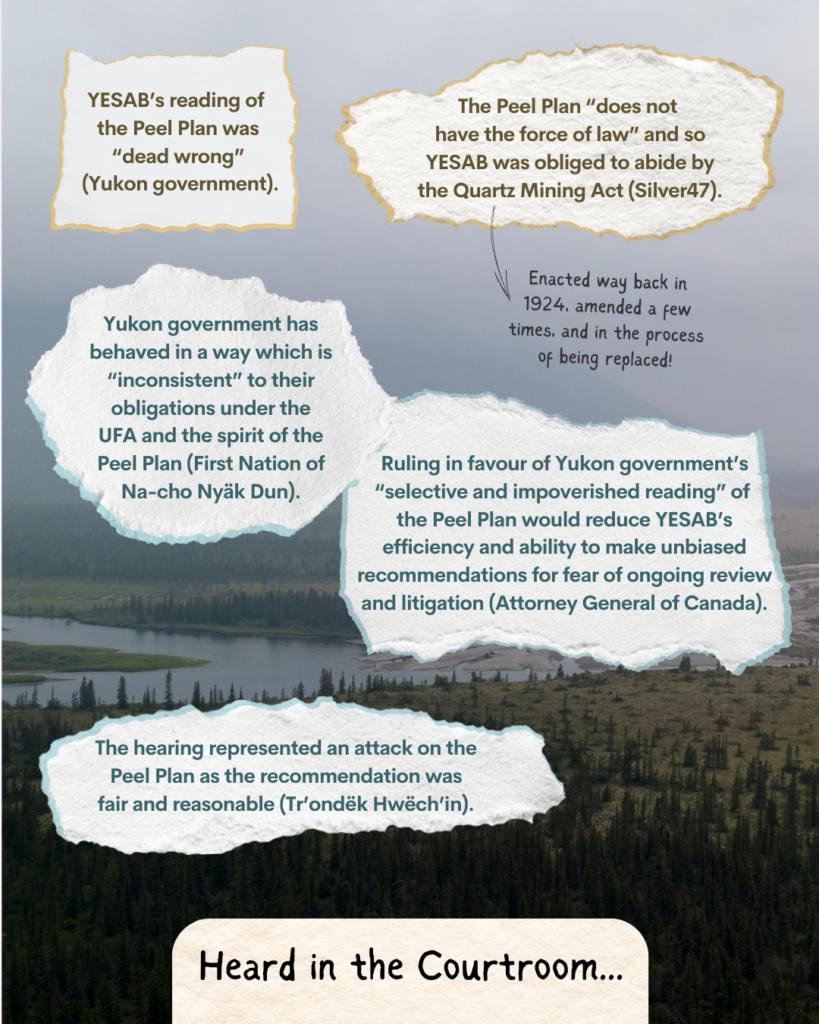
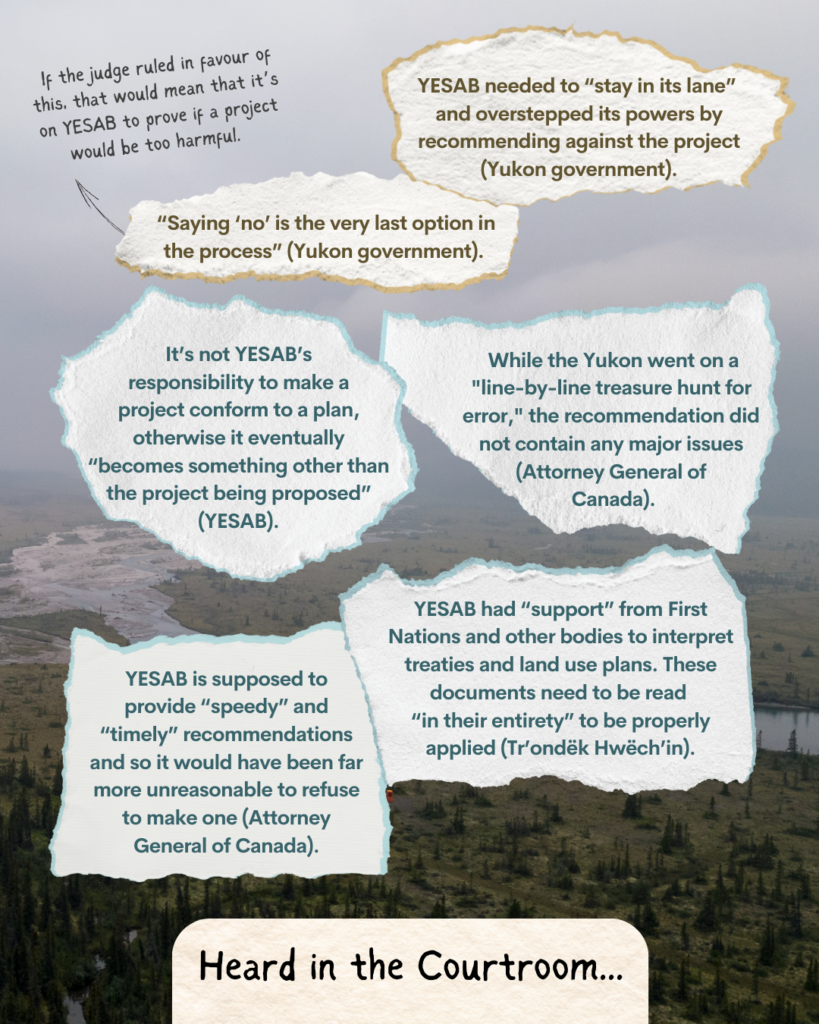
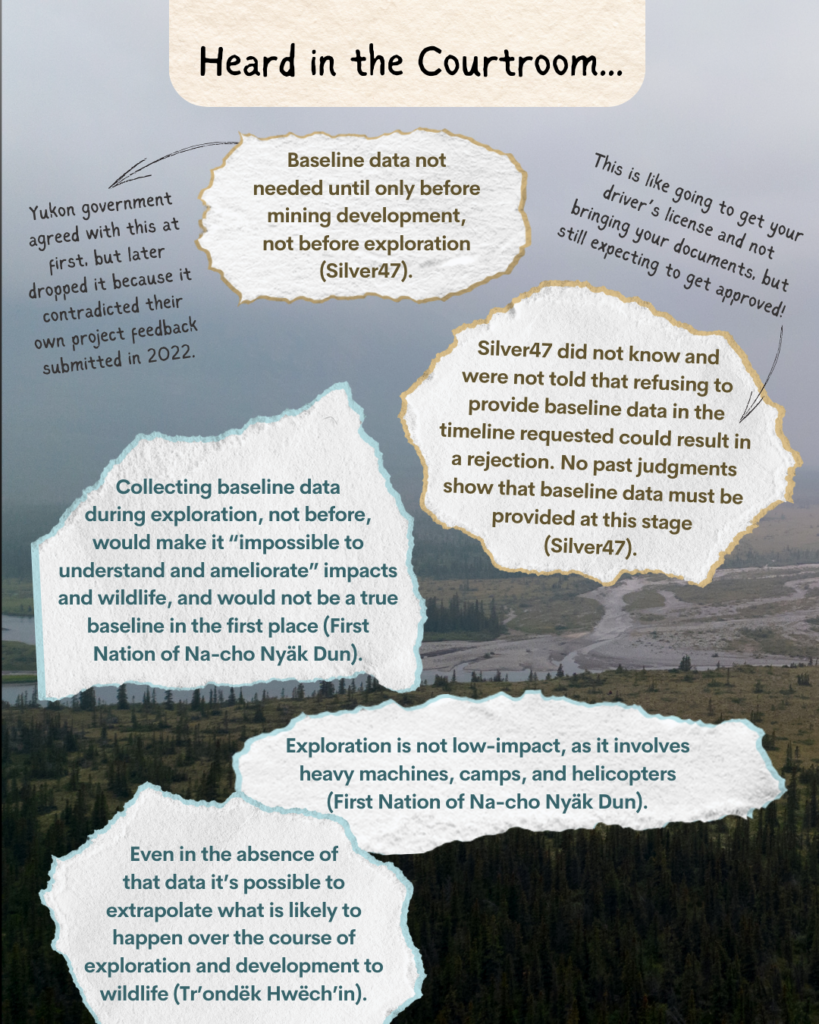
![Heard in the Courtroom... Consultation was at the “lowest” level of priority, and not needed until only before mining development, not exploration in any case (Yukon government). If this is how the Peel Plan is to be interpreted and applied in the future, it represents “something much less than [we] bargained for” (Tr’ondëk Hwëch’in). The judicial review itself represents a “failure of reconciliation” (First Nation of Na-cho Nyäk Dun). Lawyers cited numerous legal cases which suggested the precedent that provincial and territorial governments do have a treaty obligation to consult before doing something like this (First Nation of Na-cho Nyäk Dun). Note ruling is expected relatively soon, around Feb 2025; stay tuned for more updates!](https://cpawsyukon.org/wp-content/uploads/2025/03/Michelle-Creek-Court-Case-Update-8-819x1024.png "Heard in the Courtroom... Consultation was at the “lowest” level of priority, and not needed until only before mining development, not exploration in any case (Yukon government). If this is how the Peel Plan is to be interpreted and applied in the future, it represents “something much less than [we] bargained for” (Tr’ondëk Hwëch’in). The judicial review itself represents a “failure of reconciliation” (First Nation of Na-cho Nyäk Dun). Lawyers cited numerous legal cases which suggested the precedent that provincial and territorial governments do have a treaty obligation to consult before doing something like this (First Nation of Na-cho Nyäk Dun). Note ruling is expected relatively soon, around Feb 2025; stay tuned for more updates!")
Peel Watershed court case update from December 2024. This isn’t a comprehensive summary of the court proceedings, but rather a glimpse into some key points that stood out to us.
Now that the court action has been dismissed, it is time for the Yukon government to go back to the process of consulting Trondëk Hwëch’in and the First Nation of Na-Cho Nyäk Dun on YESAB’s recommendation for the proposed exploration project. We remain curious and hopeful that the Yukon government will work together with both First Nations to ensure the Peel Plan is upheld, and that it follows YESAB’s thorough recommendation that this first application to develop in the Peel not go ahead. We must ensure that development in the Peel and throughout the Yukon is done in a way the reflects not just the needs of our generation, but many generations from now too.
“It took many years of work and many court challenges before the Peel Plan was finally approved, and yesterday’s Court decision builds on the significant effort of Yukon First Nations and all Yukoners to ensure that the Peel Plan is properly and honourably implemented. This is a win for TH and for land use planning under our treaty.”
— Tr’ondëk Hwëch’in Deputy Chief Erin McQuaig
“We are pleased to see Chief Justice Duncan rightfully recognize that Yukon’s case was inappropriate and should never have been brought. We hope Yukon will reconsider its approach to the Michelle Creek project and recognize the project should not proceed—as YESAB determined.”
— First Nation of Na-Cho Nyäk Dun Chief Dawna Hope
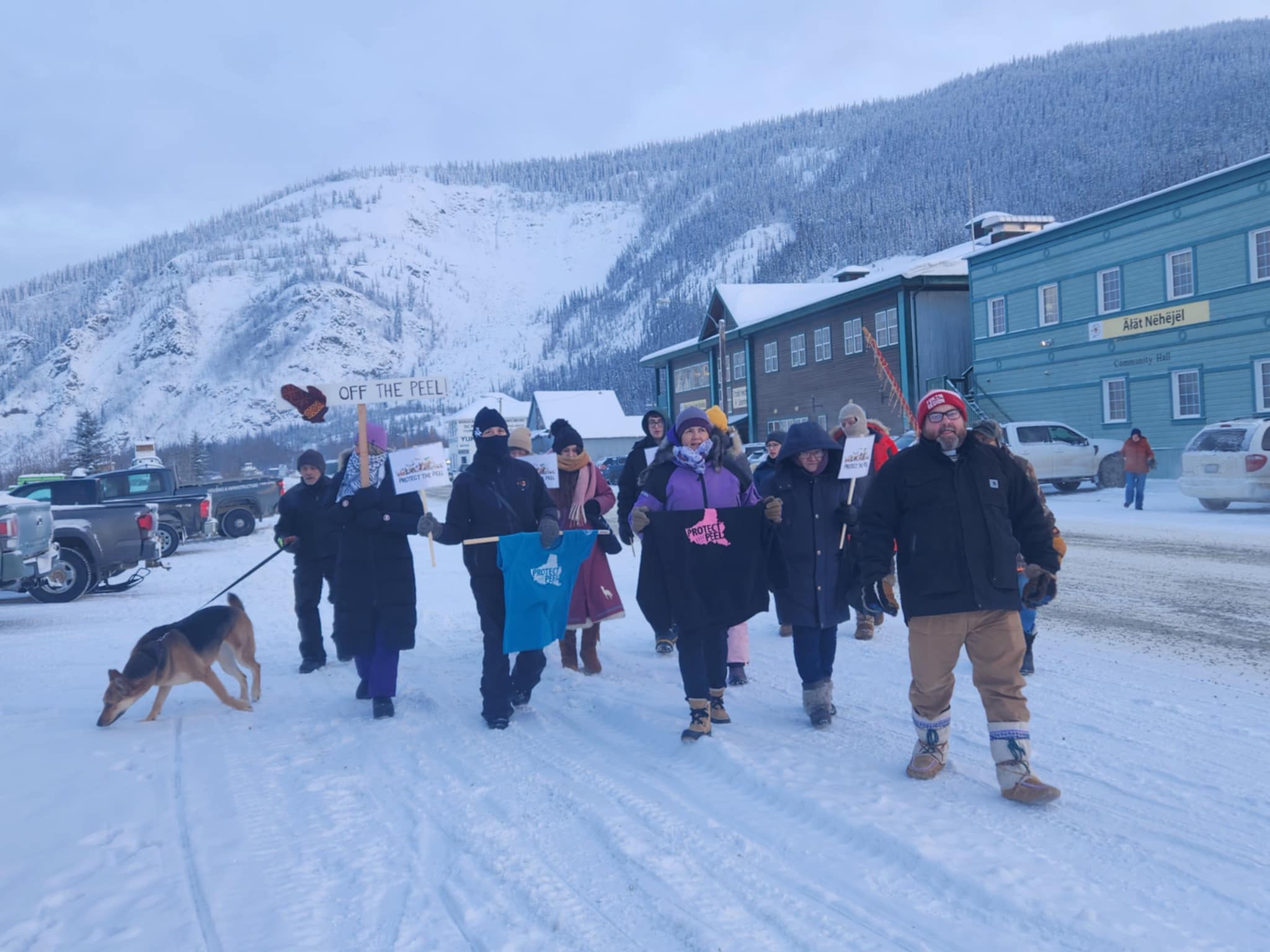
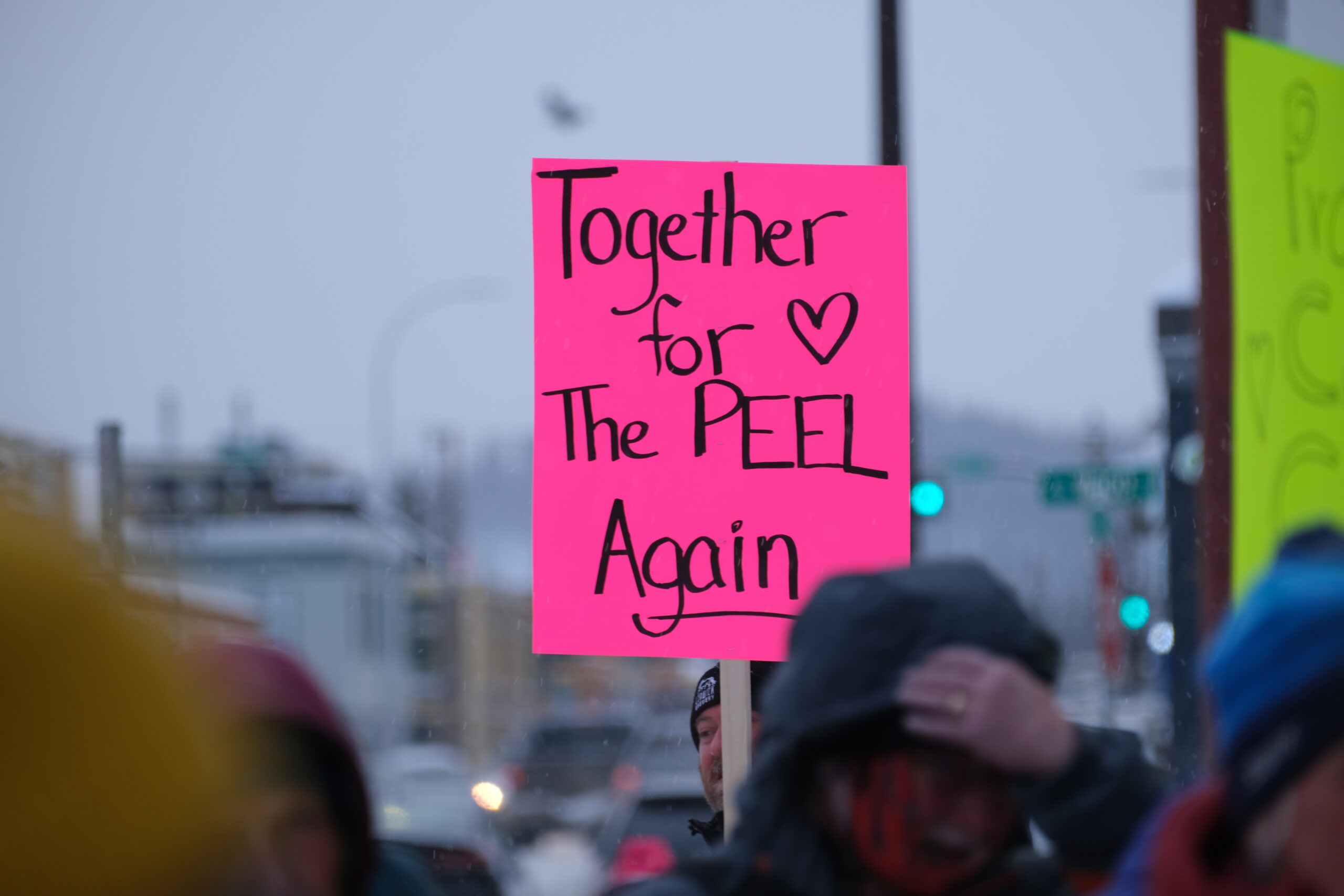
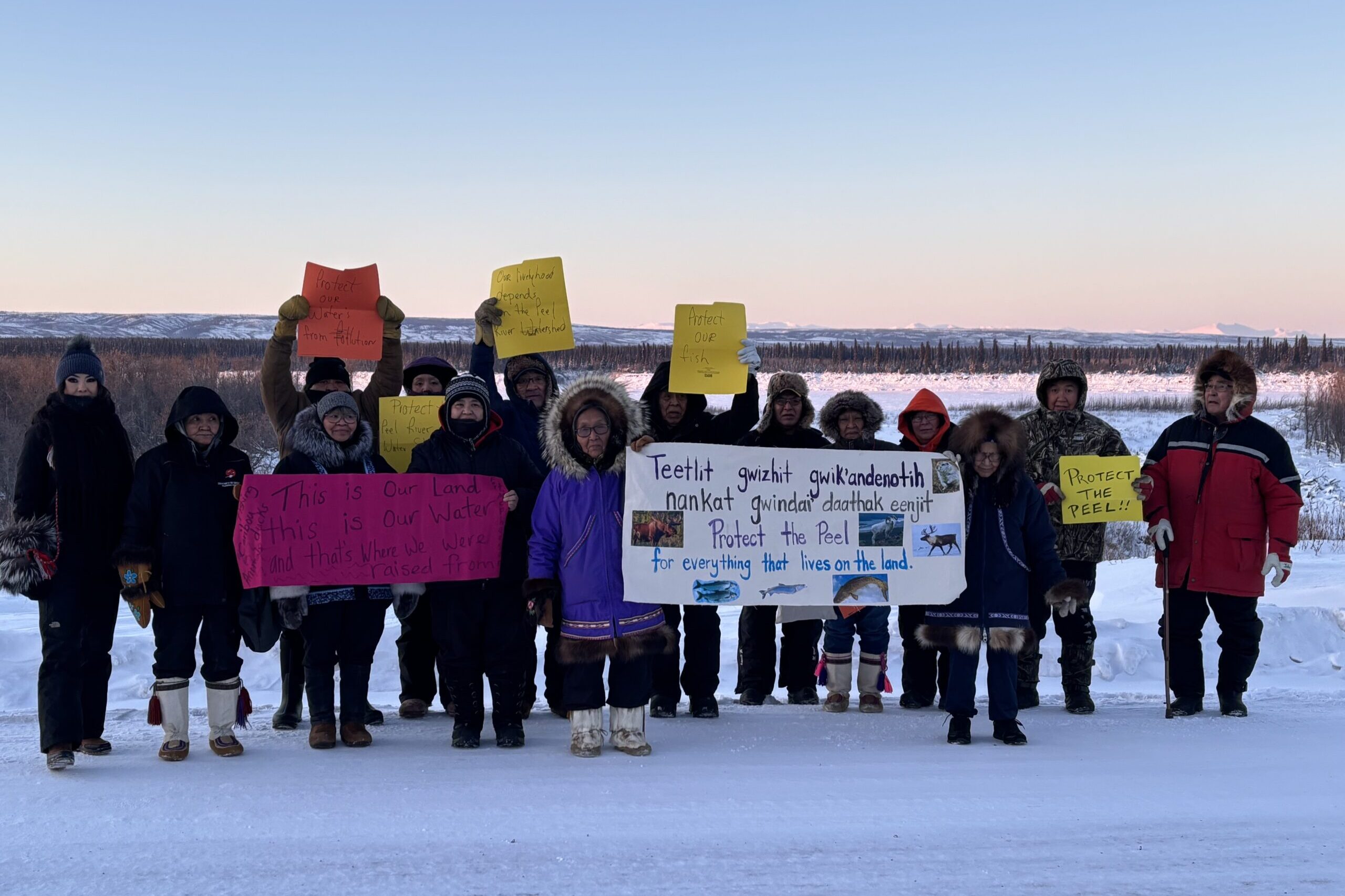
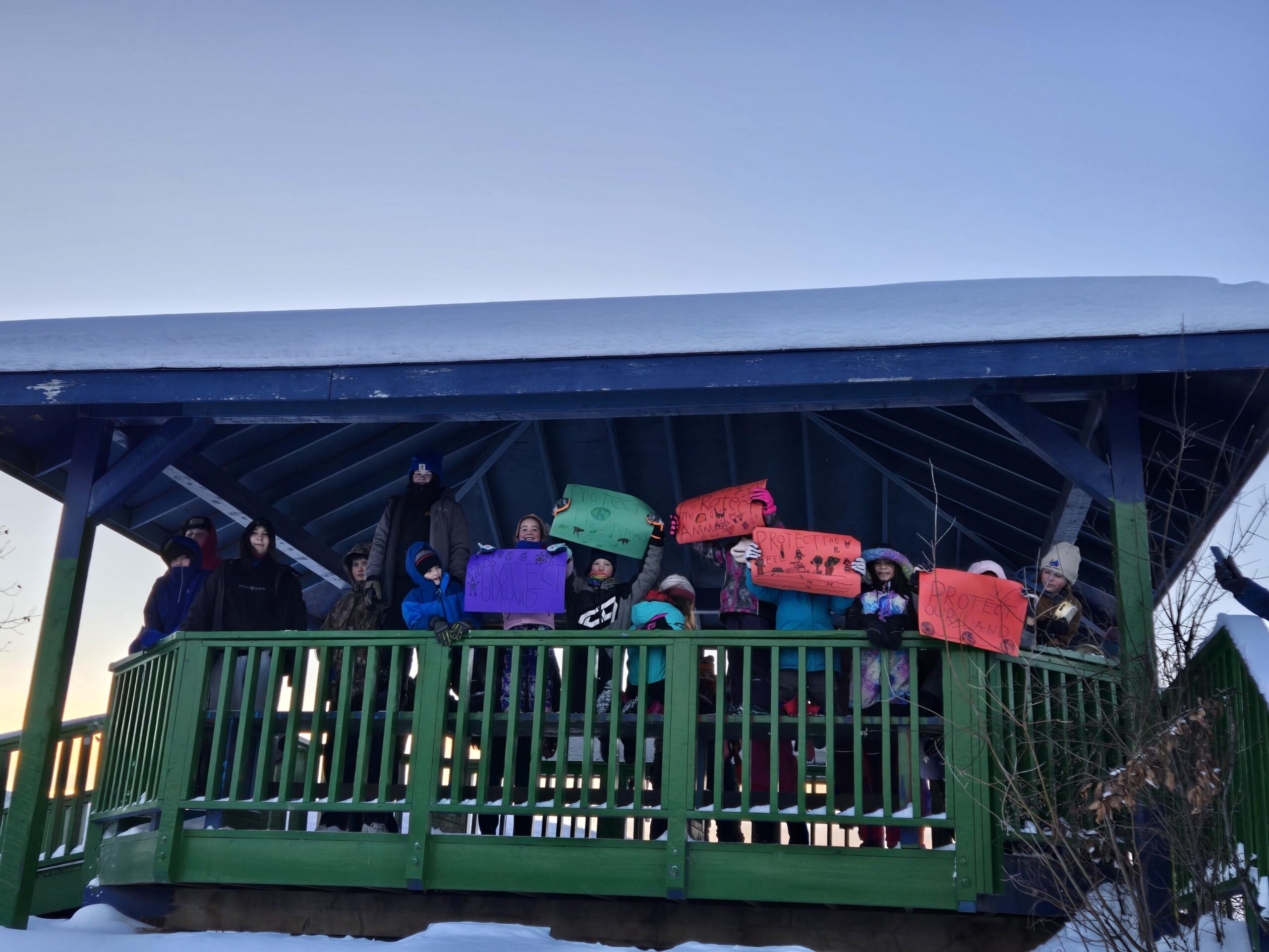
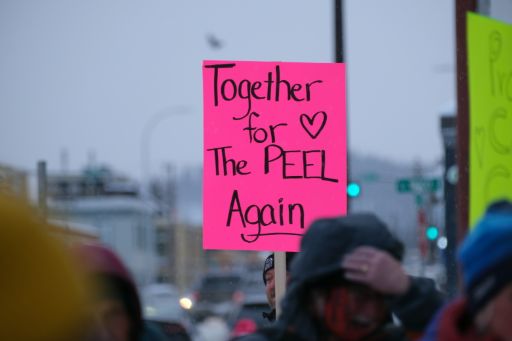
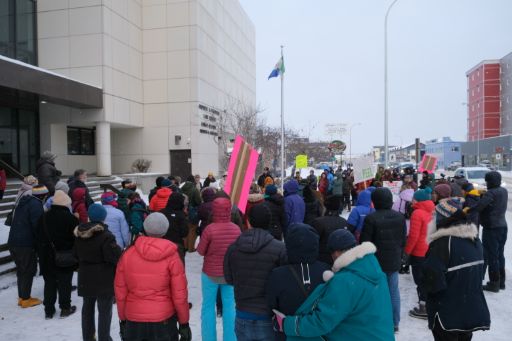
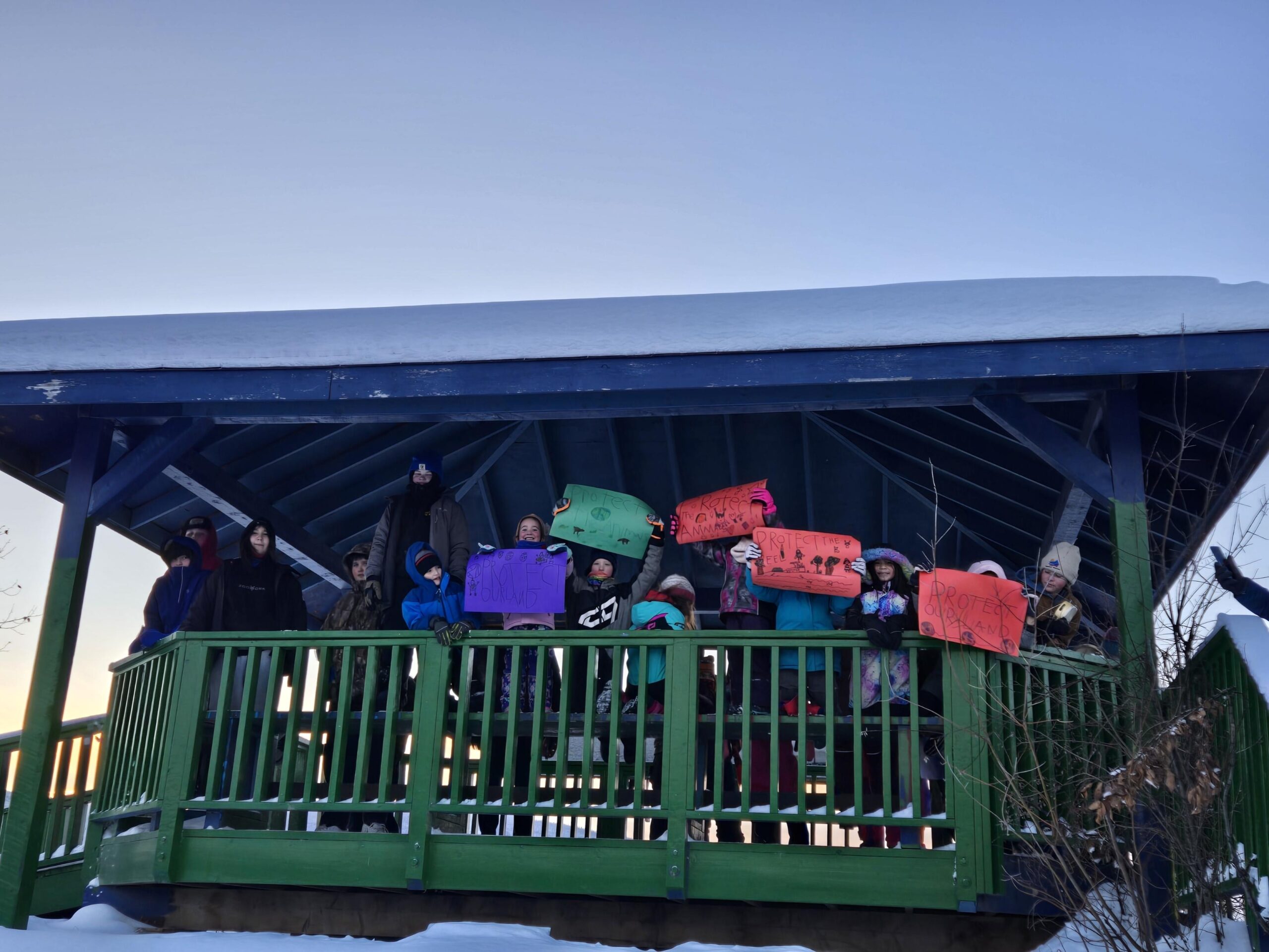
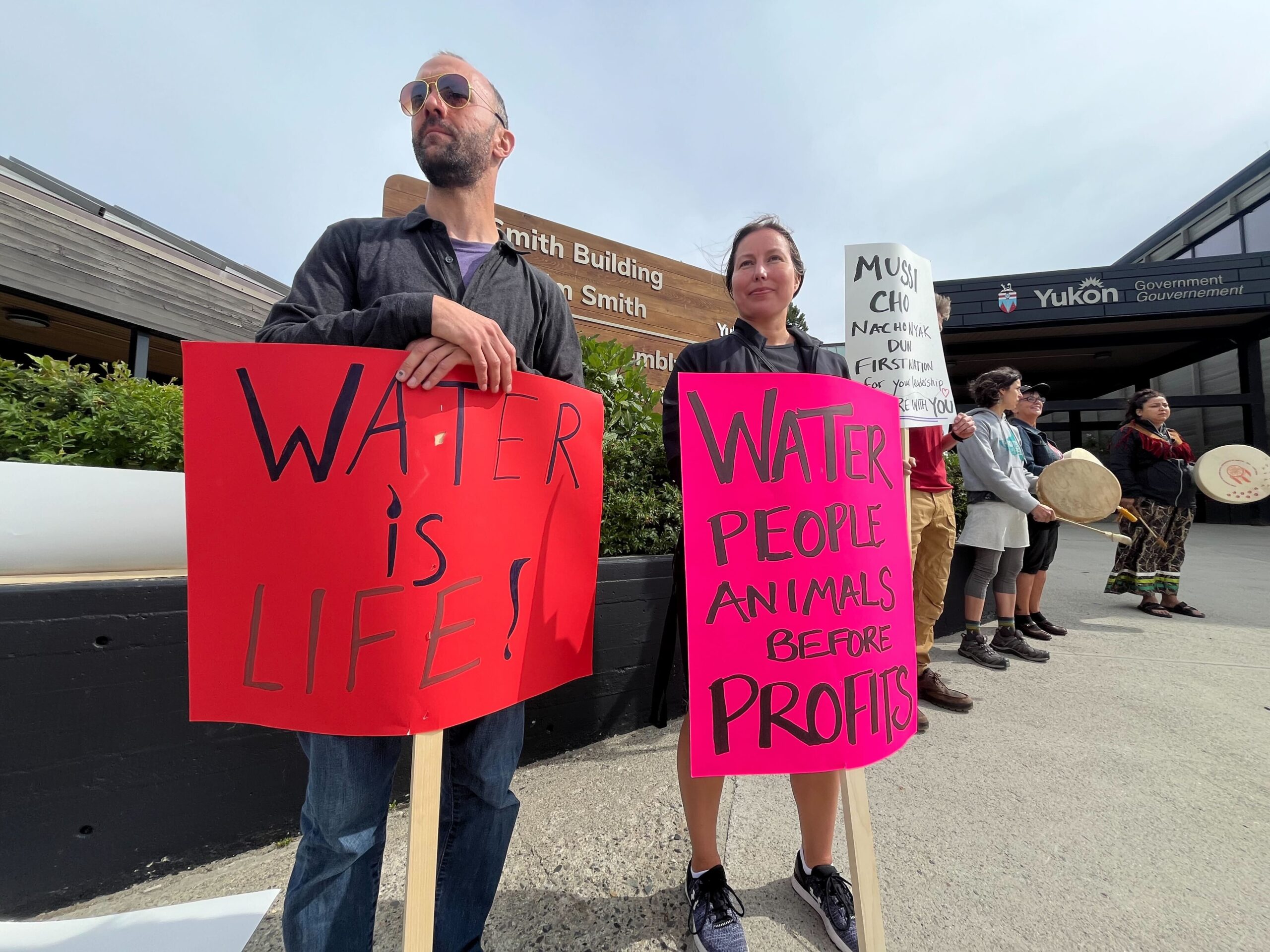
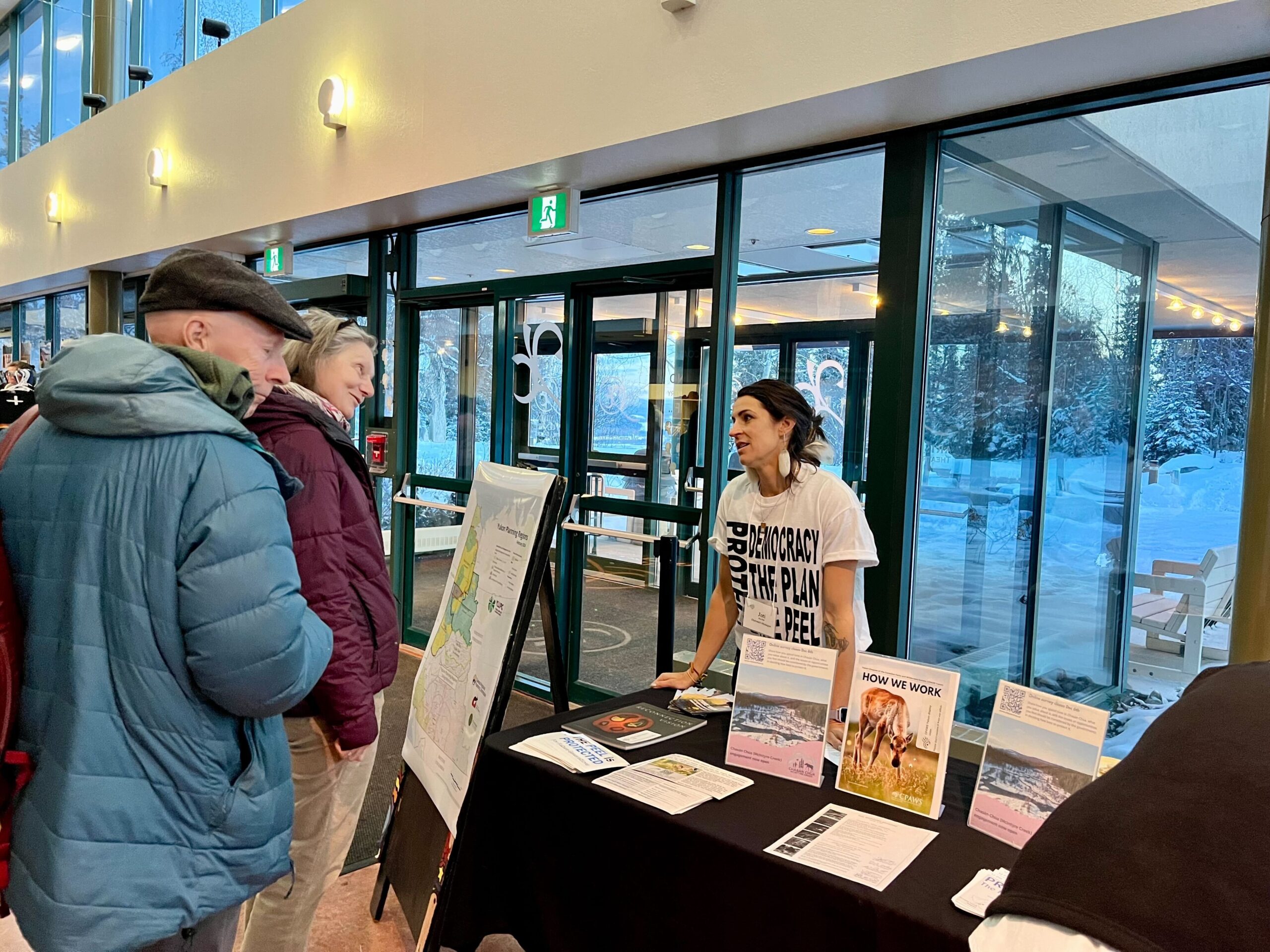
Protect the Peel rally across the Yukon and NWT
-
- Dawson, YT (photo by Sharon Vittrekwa)
-
- Whitehorse, YT (photo by Adil Darvesh)
-
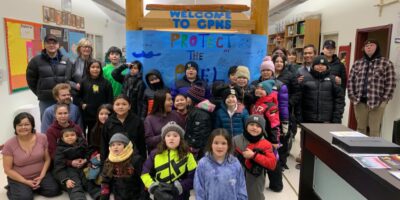
- Tsiigehtchic, NWT (photo by Fredrick Sonny Blake)
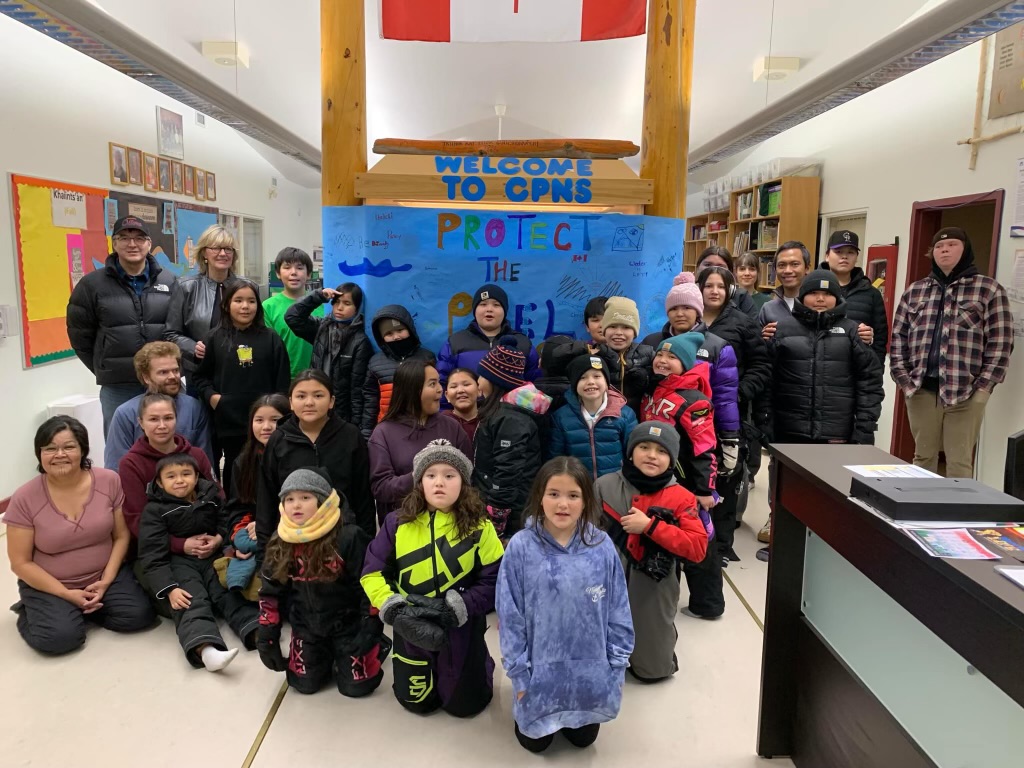
-
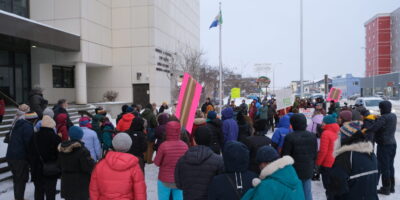
- Whitehorse, YT (photo by Adil Darvesh)
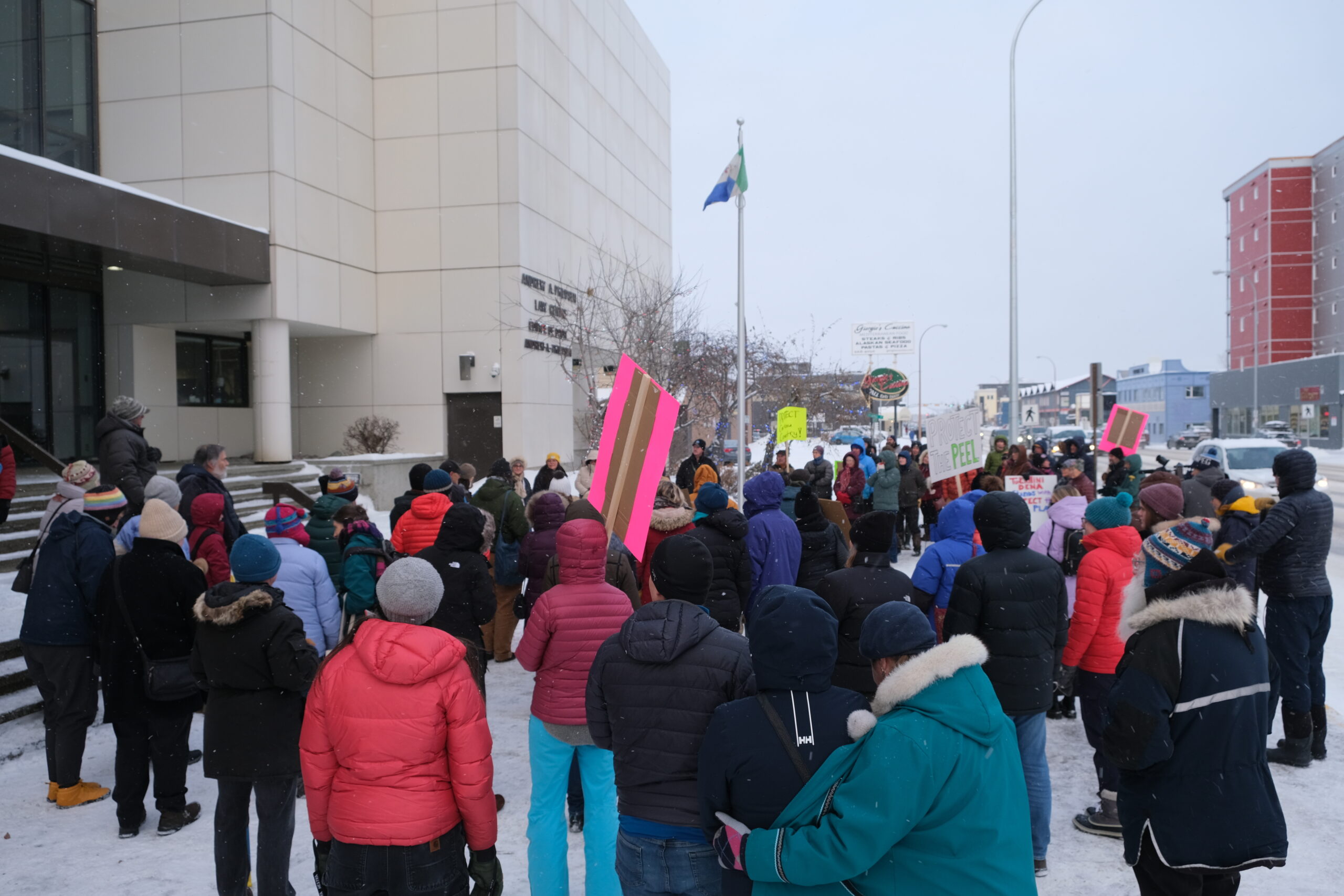
-
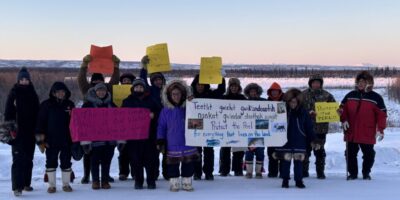
- Fort McPherson, NWT (photo by Laura Nerysoo)
-

- Mayo, YT (photo by Erin Holm)






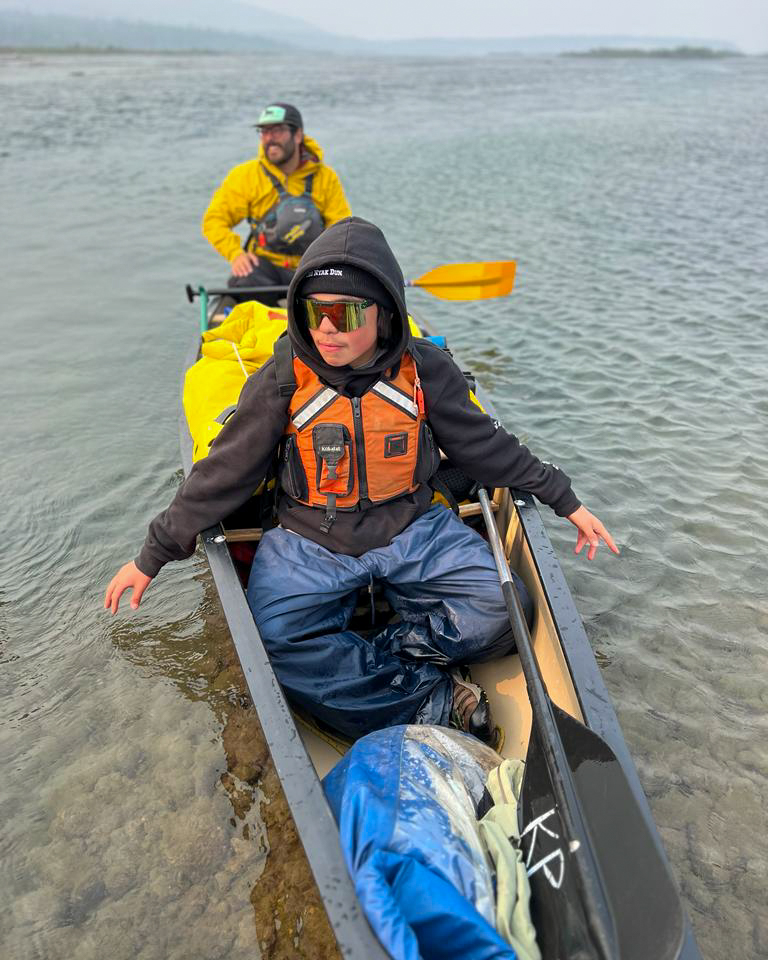
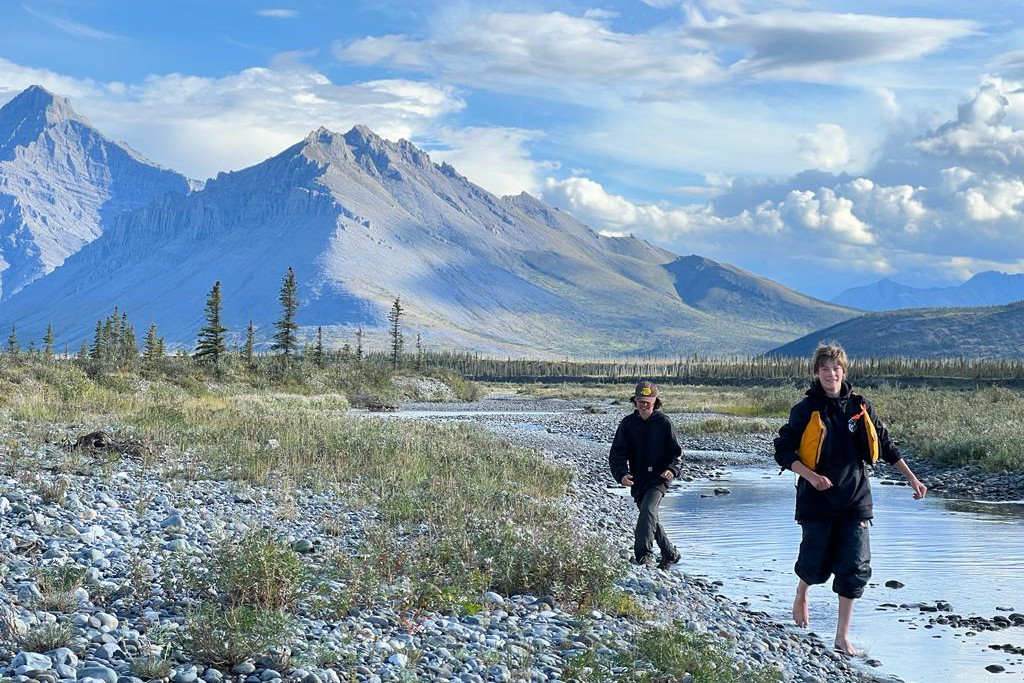
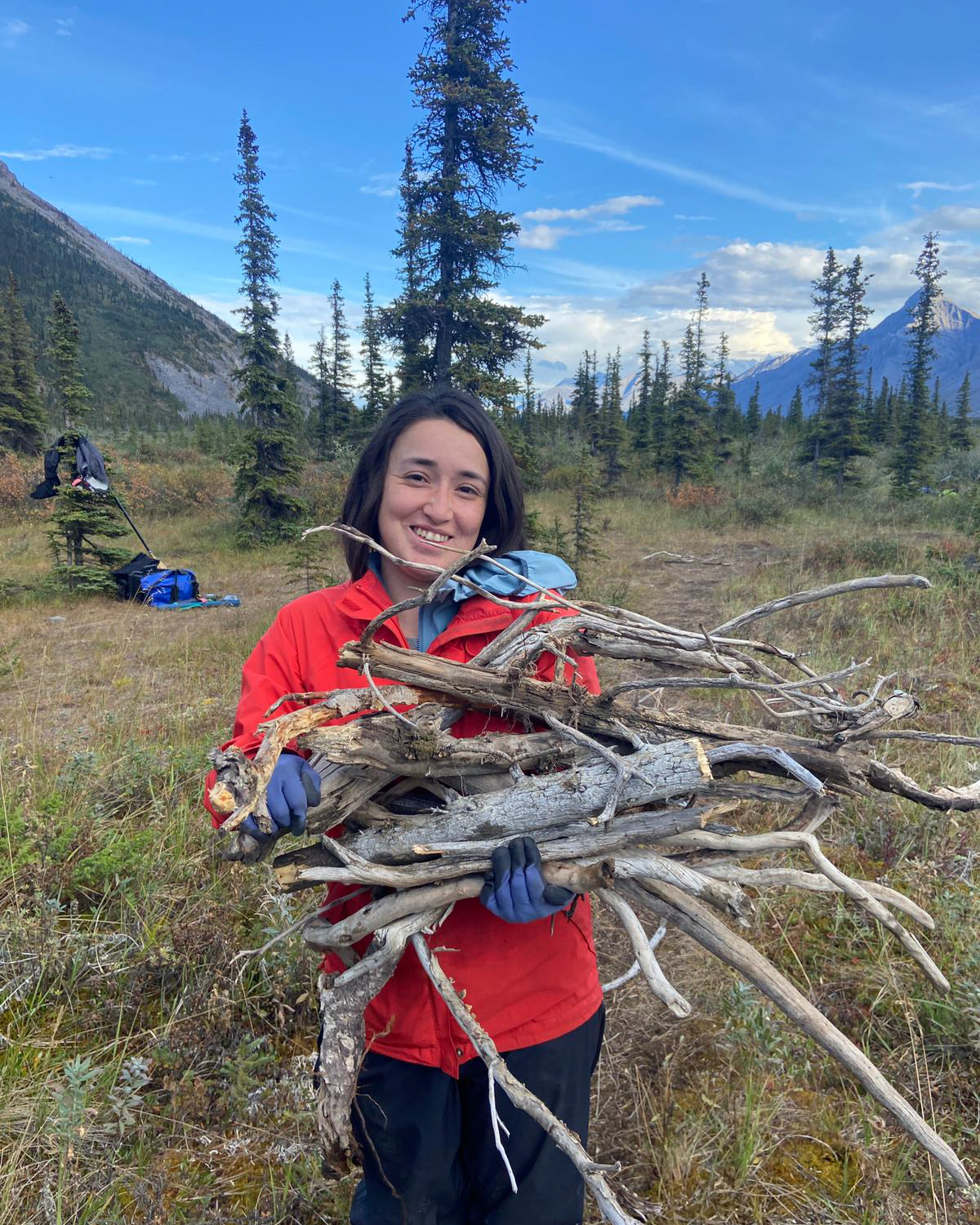
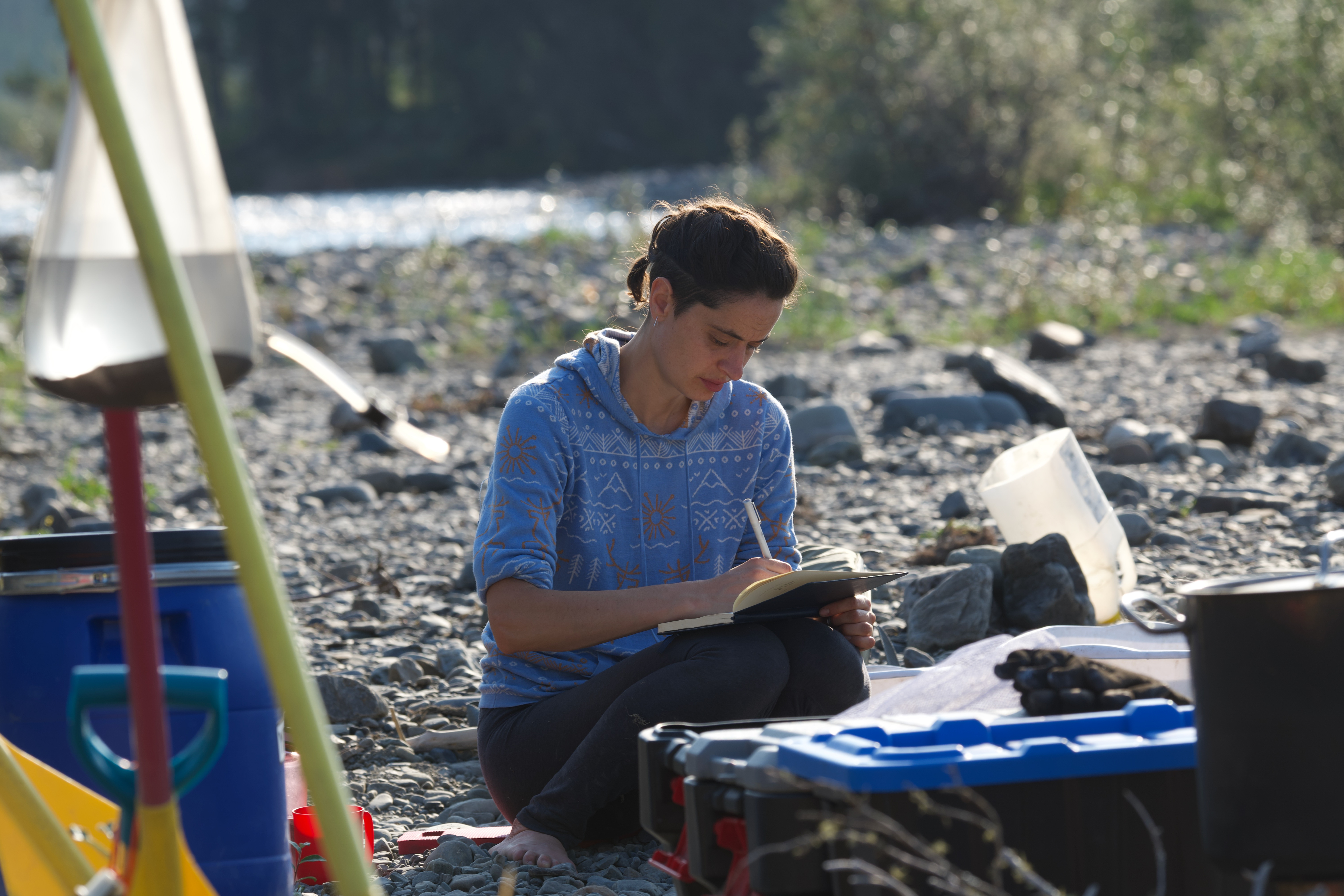





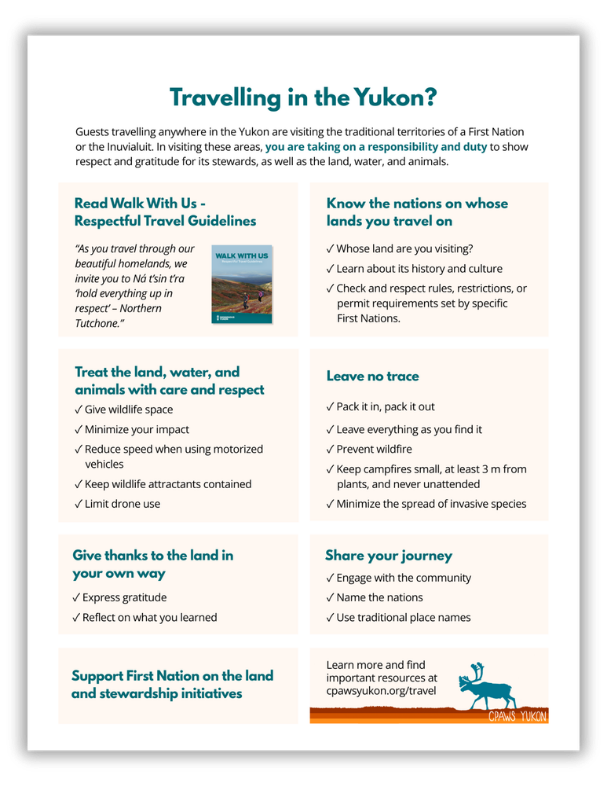
 Read Walk With Us – Respectful Travel Guidelines
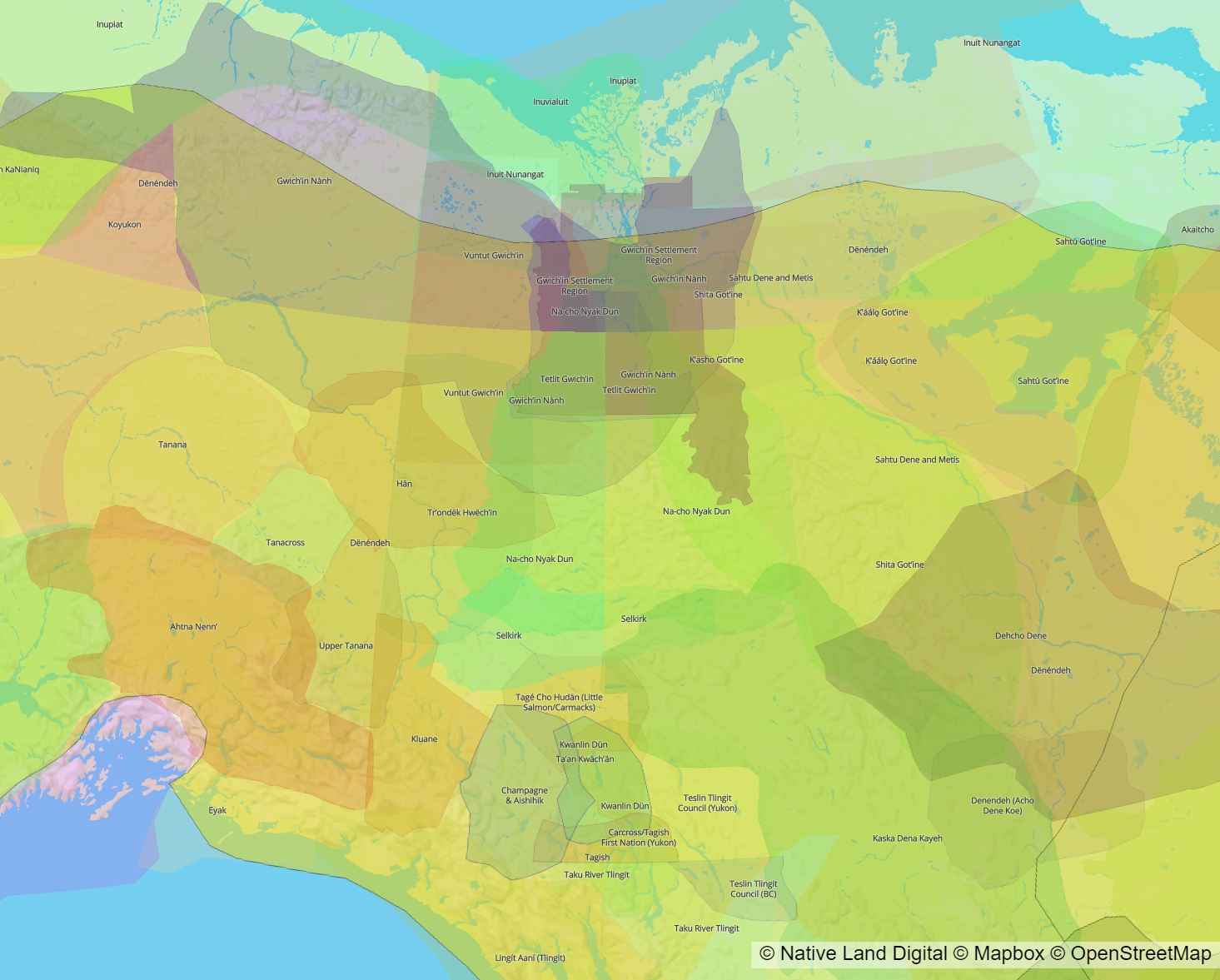
 Know the nations on whose lands you travel on
 Treat the land, water, and animals with care and respect

 Support First Nation on the land and stewardship initiatives